
Ghost ant
Tapinoma melanocephalum
Very small and pale. Trails along counters, sinks, and baseboards.
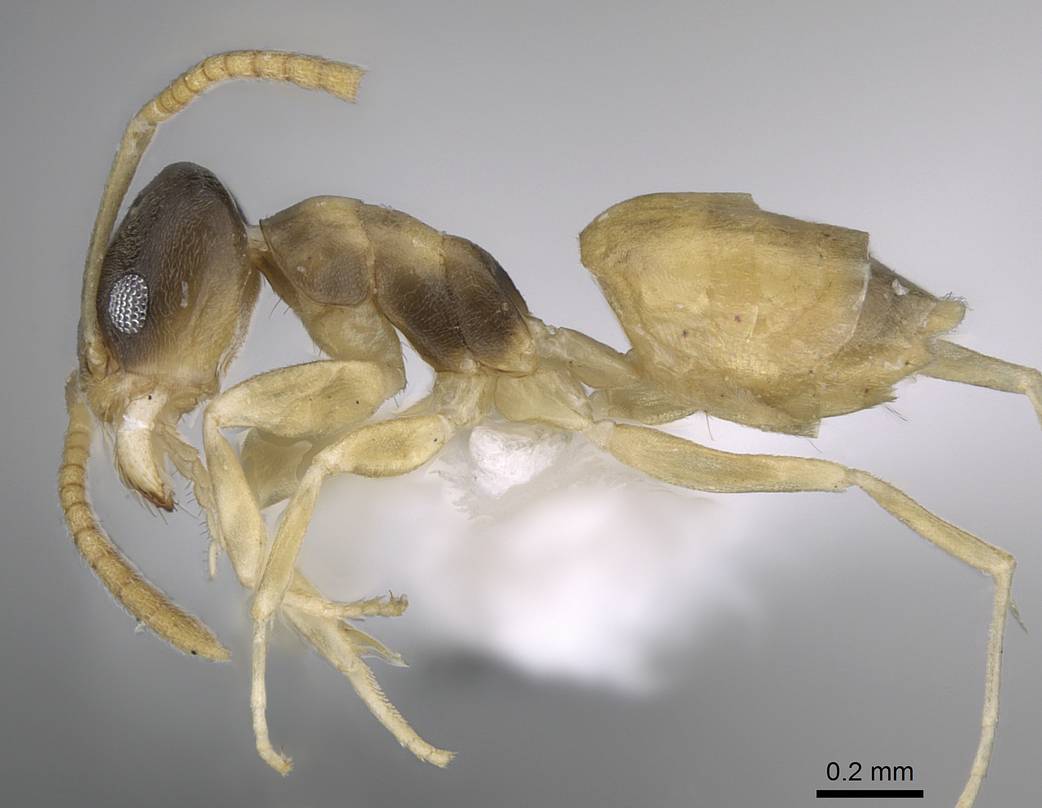
SeasonYear-round
WhereIndoors
RiskFood contamination
How to tell
- About 1.5 mm long, small enough that most people first notice the trail, not the ant.
- Dark head and thorax with a pale, nearly translucent abdomen and legs.
- Moves in fast, erratic lines along grout, counter edges, and cabinet seams.
- Often mistaken for a young Pharaoh ant, which is uniformly yellow-brown rather than two-toned.
Where you'll find it
- Kitchen counters and the seam behind the sink.
- Bathroom vanities and around shower valves.
- Potted plants on a lanai, then the door track leading in.
Why it matters
Ghost ants forage across food surfaces and move between drains, trash, and prep areas. Colonies split easily, so a spray at the trail usually multiplies the number of trails.
How Strike treats it
We inspect to find the moisture source and the exterior trail, because ghost ants almost always nest outside and commute in. Treatment is a non-repellent perimeter application with interior baiting placed out of reach at the trail line. Repellent products are avoided indoors here since they trigger budding. We return to confirm the trails are gone and re-bait if any activity remains.
What you can do before we arrive
- Wipe counters and rinse the sink, and stop wiping the trail itself until we see it.
- Move pet bowls off the floor overnight and store open sugar and honey in sealed containers.
- Pull potted plants a foot away from exterior doors.
- Note which room you see them in first — that tells us the entry side.
Related pests
White-footed antTechnomyrmex difficilis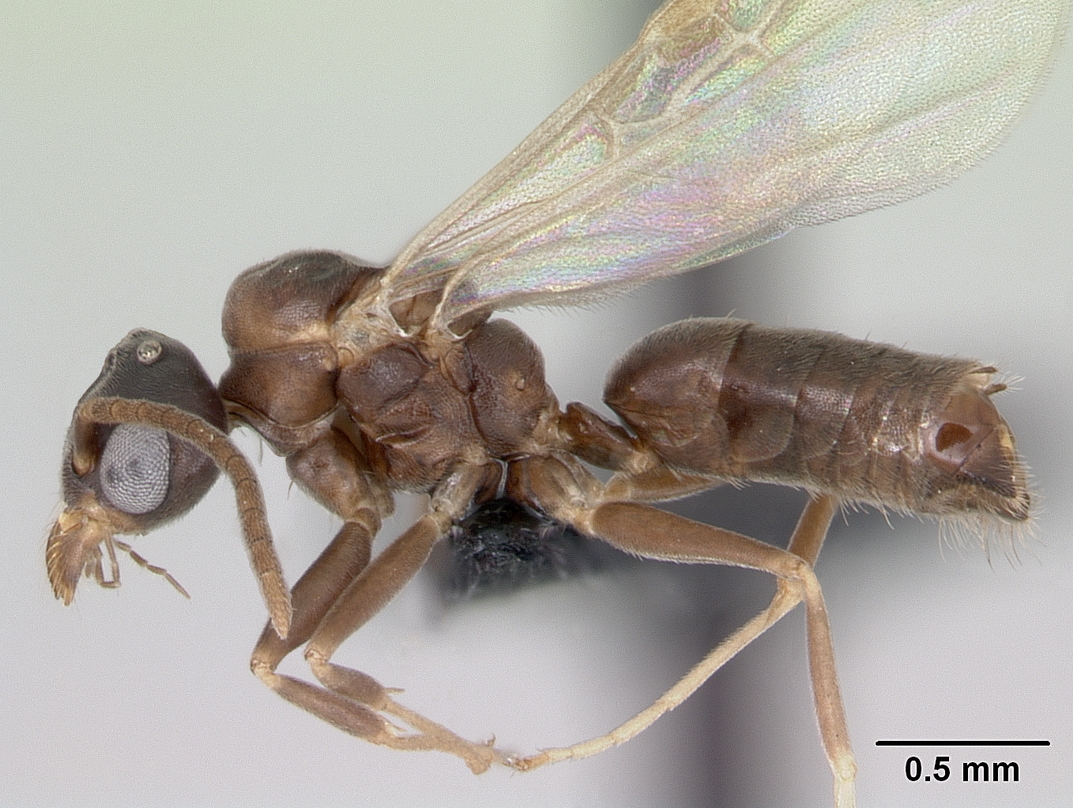 Black ant with pale feet. Huge outdoor colonies that trail up walls.Carpenter antCamponotus floridanus
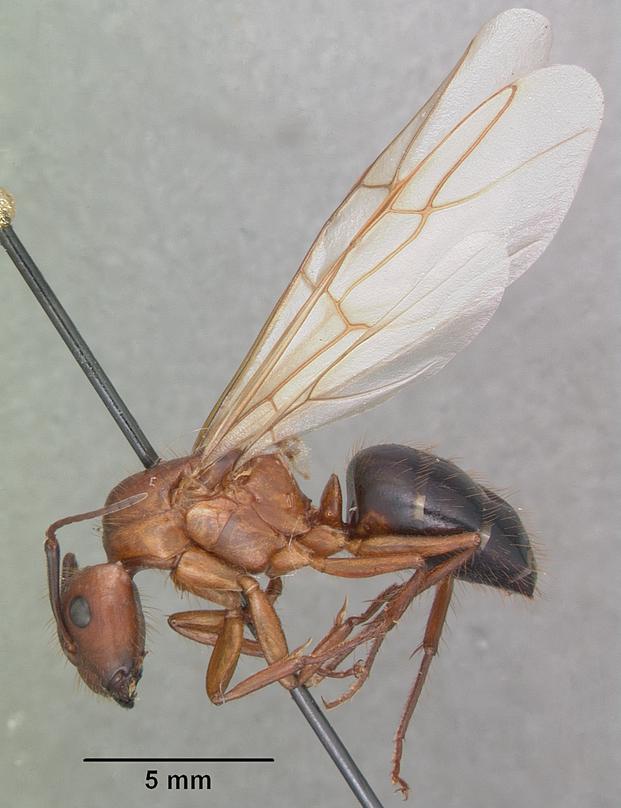 Large ant, active at night. Hollows out damp wood to nest.German cockroachBlattella germanica
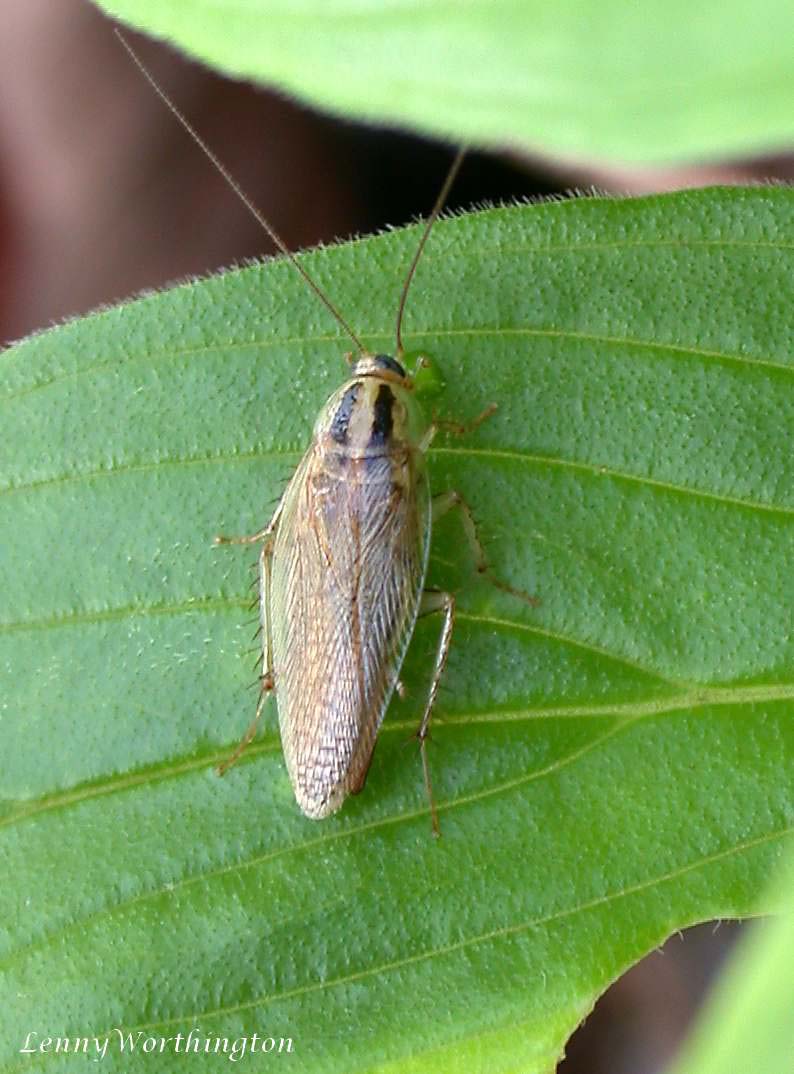 Small tan roach with two dark stripes. Breeds indoors, fast.
Black ant with pale feet. Huge outdoor colonies that trail up walls.SeasonYear-round, peaks in wet season
WhereOutdoors and indoors
RiskNuisance, large numbers
Large ant, active at night. Hollows out damp wood to nest.SeasonSpring through fall
WhereWood and wall voids
RiskWood damage
Small tan roach with two dark stripes. Breeds indoors, fast.SeasonYear-round
WhereKitchens and bathrooms
RiskFood contamination, allergens
Dealing with ghost ant?
Call or send a request and we'll confirm your window within one business day.