
Subterranean termite
Coptotermes formosanus
Builds mud tubes from soil to wood. Swarms in spring evenings.
How to tell
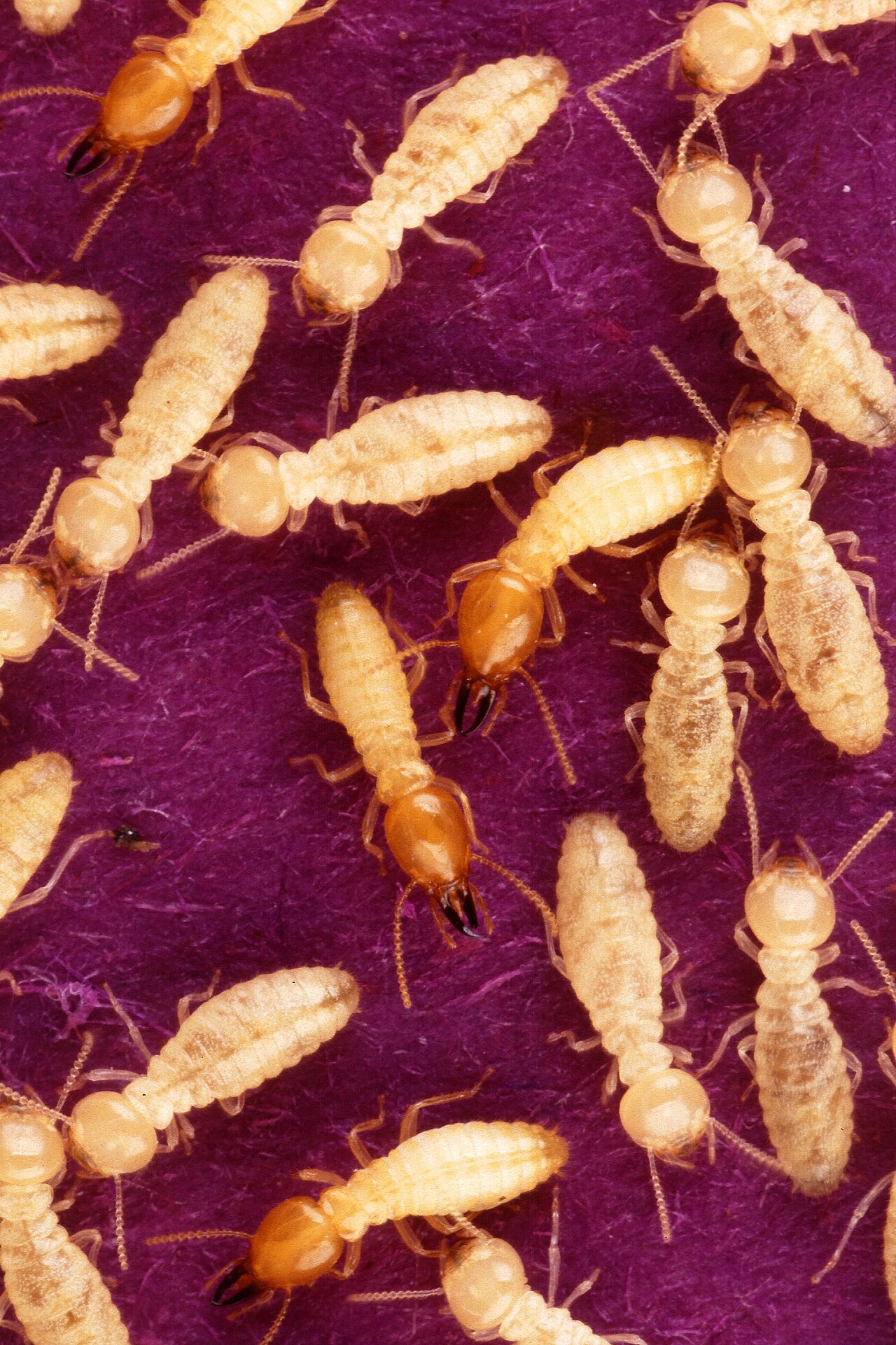
- Workers are pale, soft-bodied, and about 3 mm, and they avoid open air.
- The reliable sign is a pencil-width mud tube running up a foundation wall or pier.
- Swarmers have four equal-length wings that shed in piles on windowsills.
- Ant swarmers, by contrast, have a pinched waist, bent antennae, and unequal wings.
Where you'll find it
- Foundation walls, slab penetrations, and bath traps.
- Framing near a canal, downspout, or irrigation line that keeps the soil damp.
- Garage door frames and any wood in direct soil contact.
Why it matters
Subterranean termites reach wood from the soil and can damage structural framing over time. Southwest Florida's moisture and Formosan populations make this the most consequential wood-destroying organism in the region.
How Strike treats it
Work starts with a full inspection of the slab line, plumbing penetrations, and accessible framing, documented in writing. Depending on the findings, treatment involves a soil-applied termiticide barrier, targeted treatment of active galleries, or an in-ground monitoring and baiting system checked on a schedule. Termite work in Florida falls under separate FDACS licensing categories, and any bond, warranty, or fumigation terms are quoted in writing by the owner rather than promised on a web page.
What you can do before we arrive
- Clear stored items away from garage and interior slab walls.
- Leave mud tubes intact — breaking them hides the activity.
- Save any shed wings in a bag or a photo.
- Move mulch and any wood or cardboard off the soil against the house.
Related pests
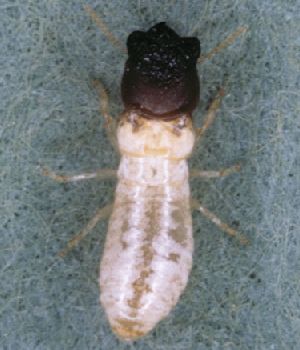 Lives inside dry wood. Pushes out small hard pellets, no soil contact.
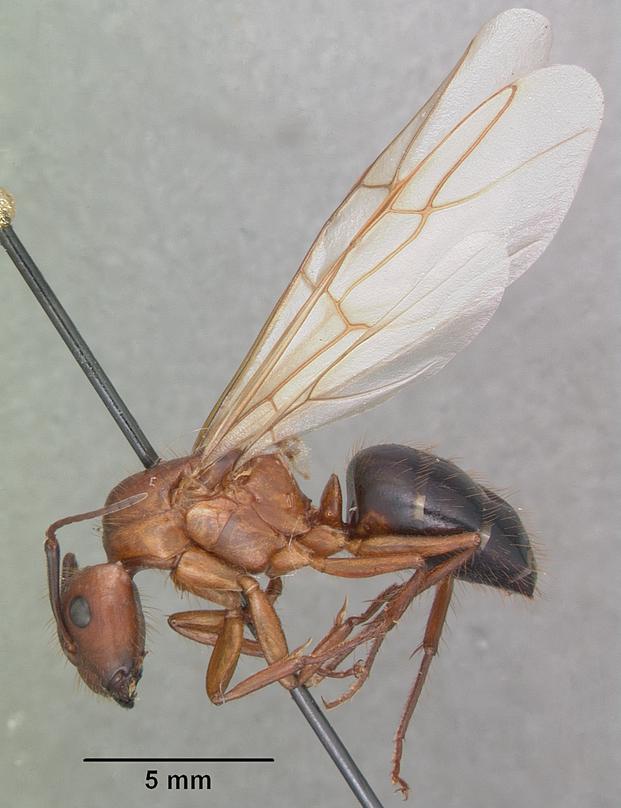 Large ant, active at night. Hollows out damp wood to nest.
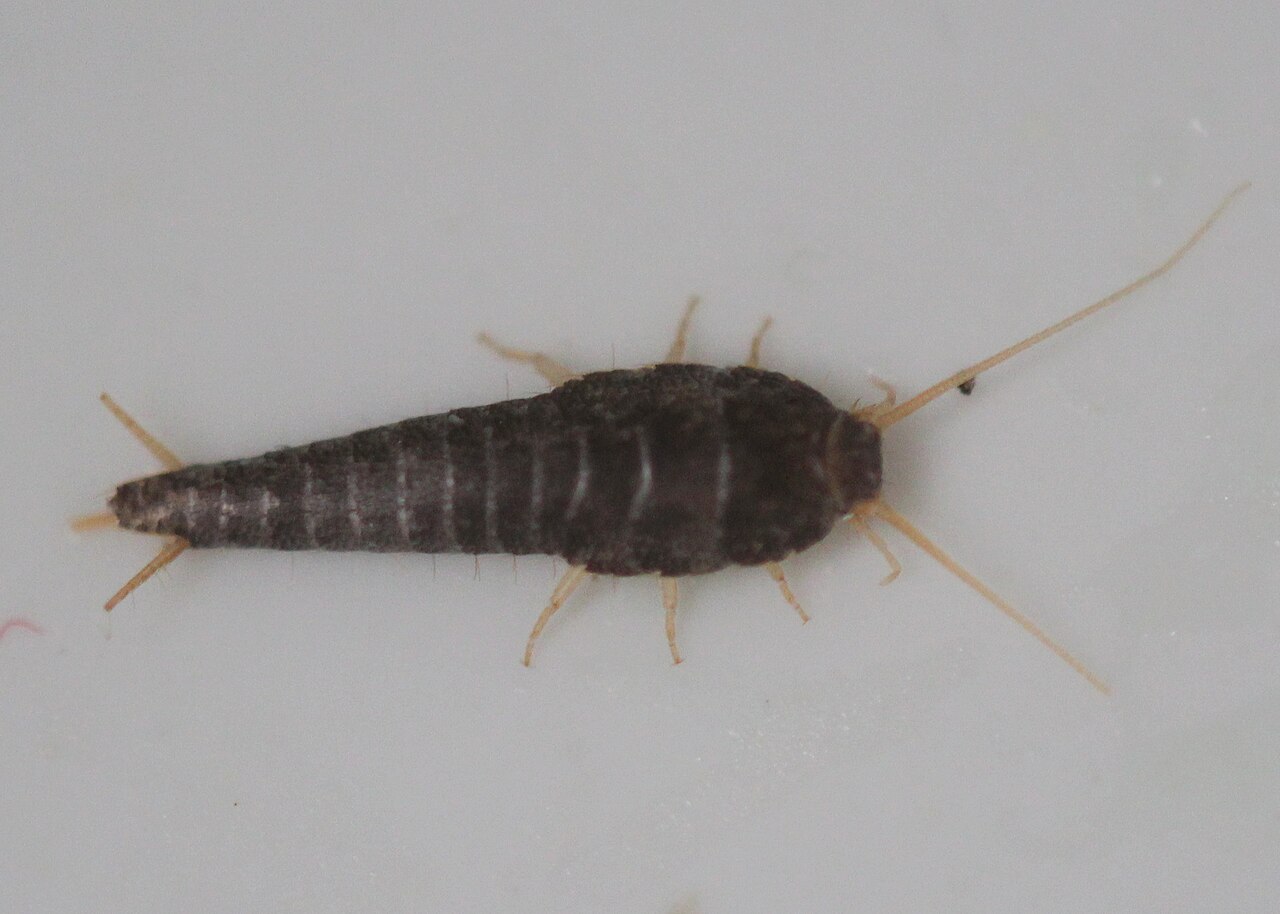 Teardrop-shaped, silvery, fast. Feeds on paper, starch, and glue.
Dealing with subterranean termite?
Call or send a request and we'll confirm your window within one business day.