
Southwest Florida bugs, handled.
Residential and commercial across Lee and Collier.
What are you seeing?
Find the pest. See what to do next.
- Lee and Collier counties
- Licensed and insured
- Free inspection
- Same-week appointments
Find what you're dealing with.
Explore common Southwest Florida pests and how to recognize them.
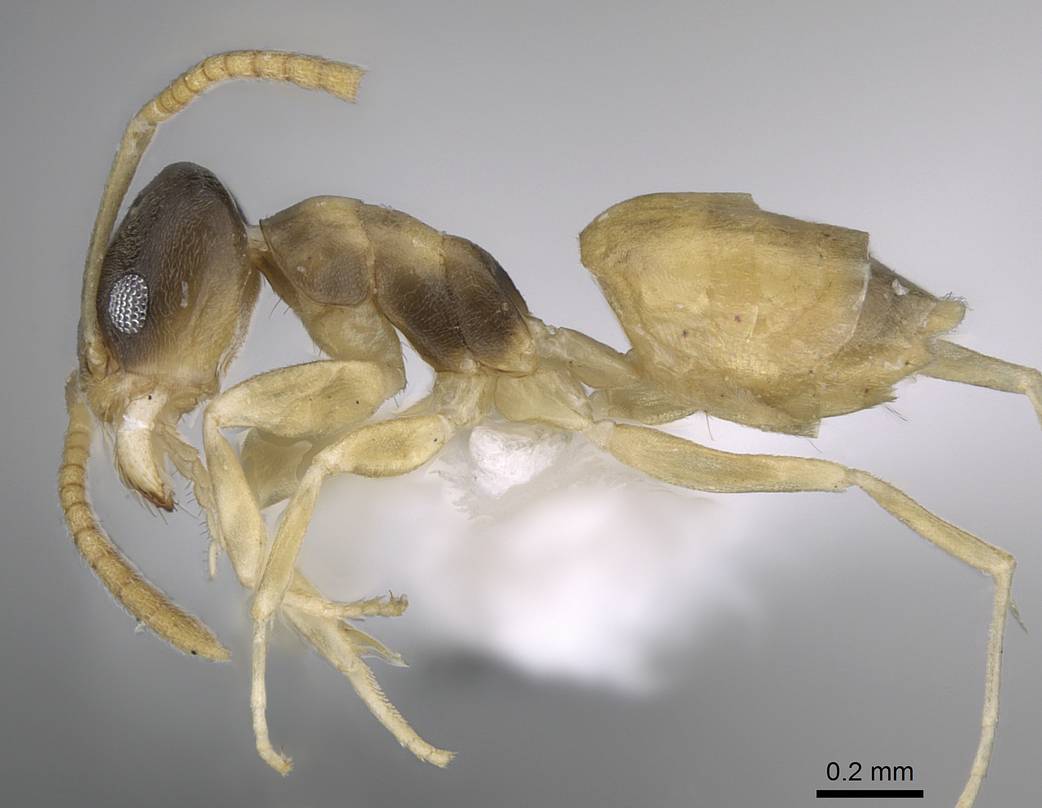 Very small and pale. Trails along counters, sinks, and baseboards.
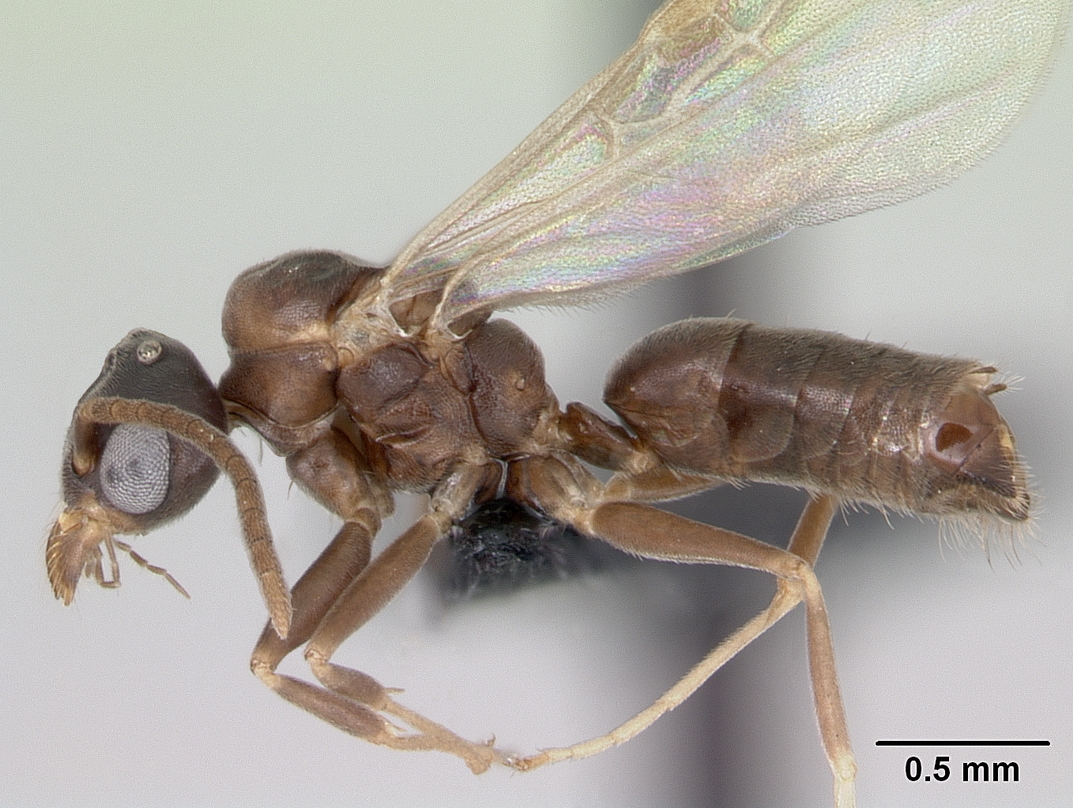 Black ant with pale feet. Huge outdoor colonies that trail up walls.
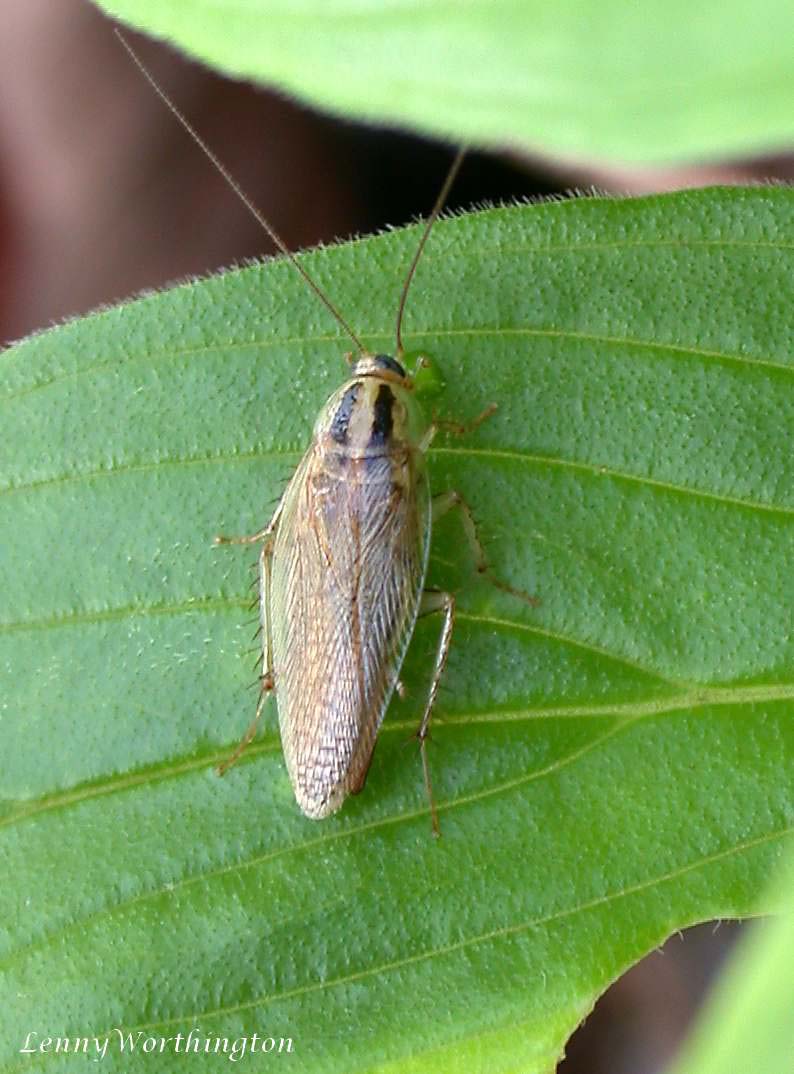 Small tan roach with two dark stripes. Breeds indoors, fast.
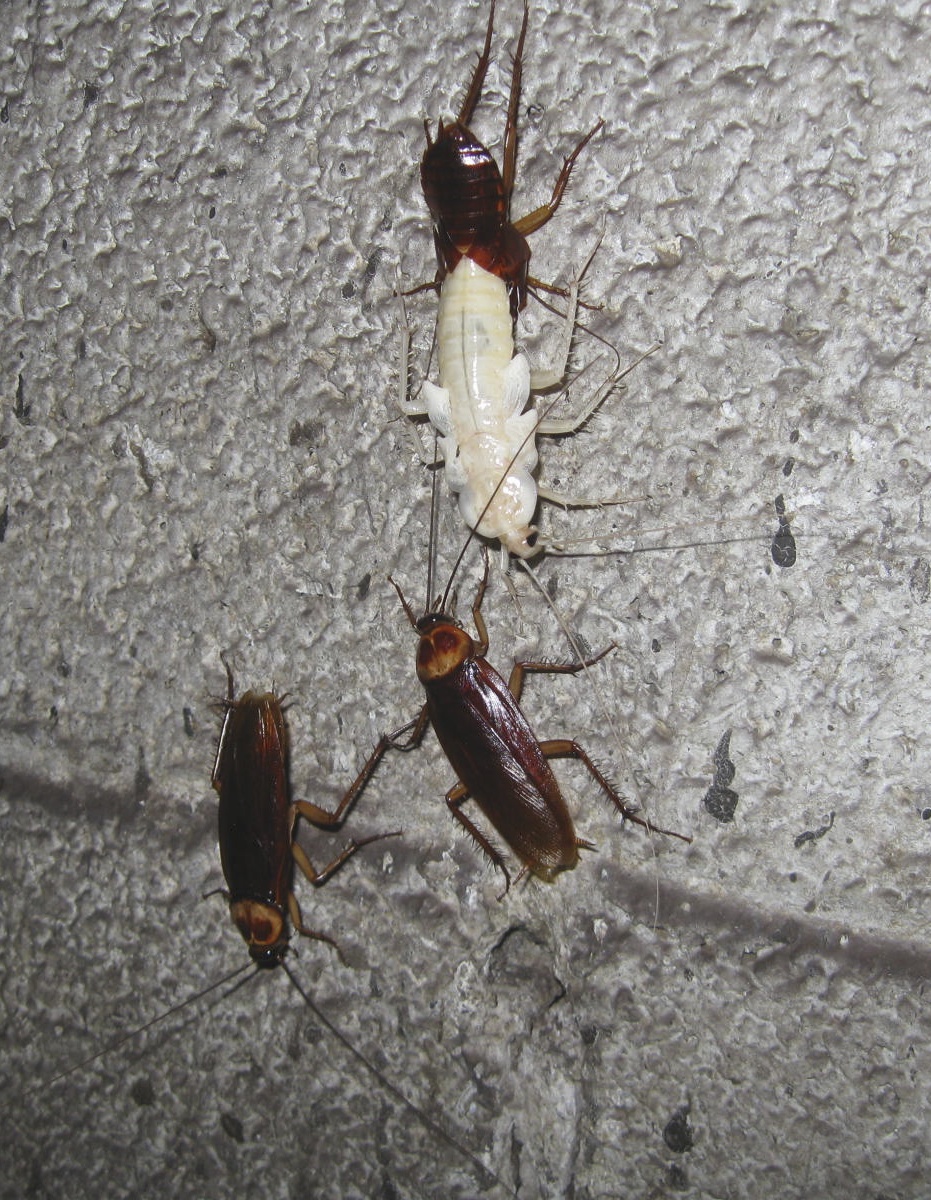 The big reddish-brown roach locals call a palmetto bug. Comes in from outside.
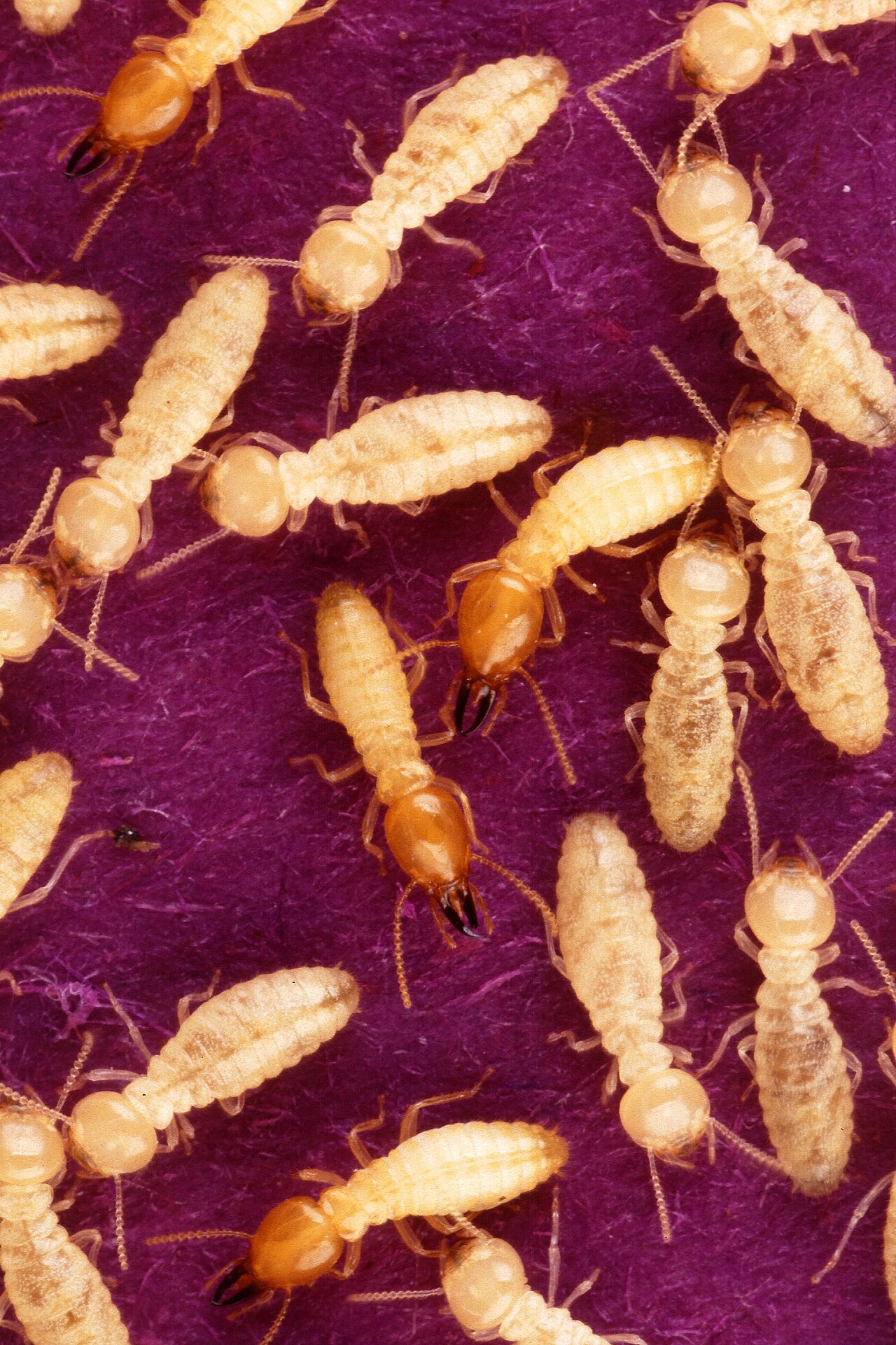 Builds mud tubes from soil to wood. Swarms in spring evenings.
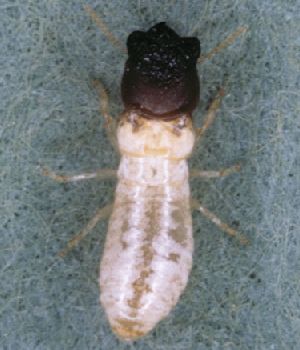 Lives inside dry wood. Pushes out small hard pellets, no soil contact.
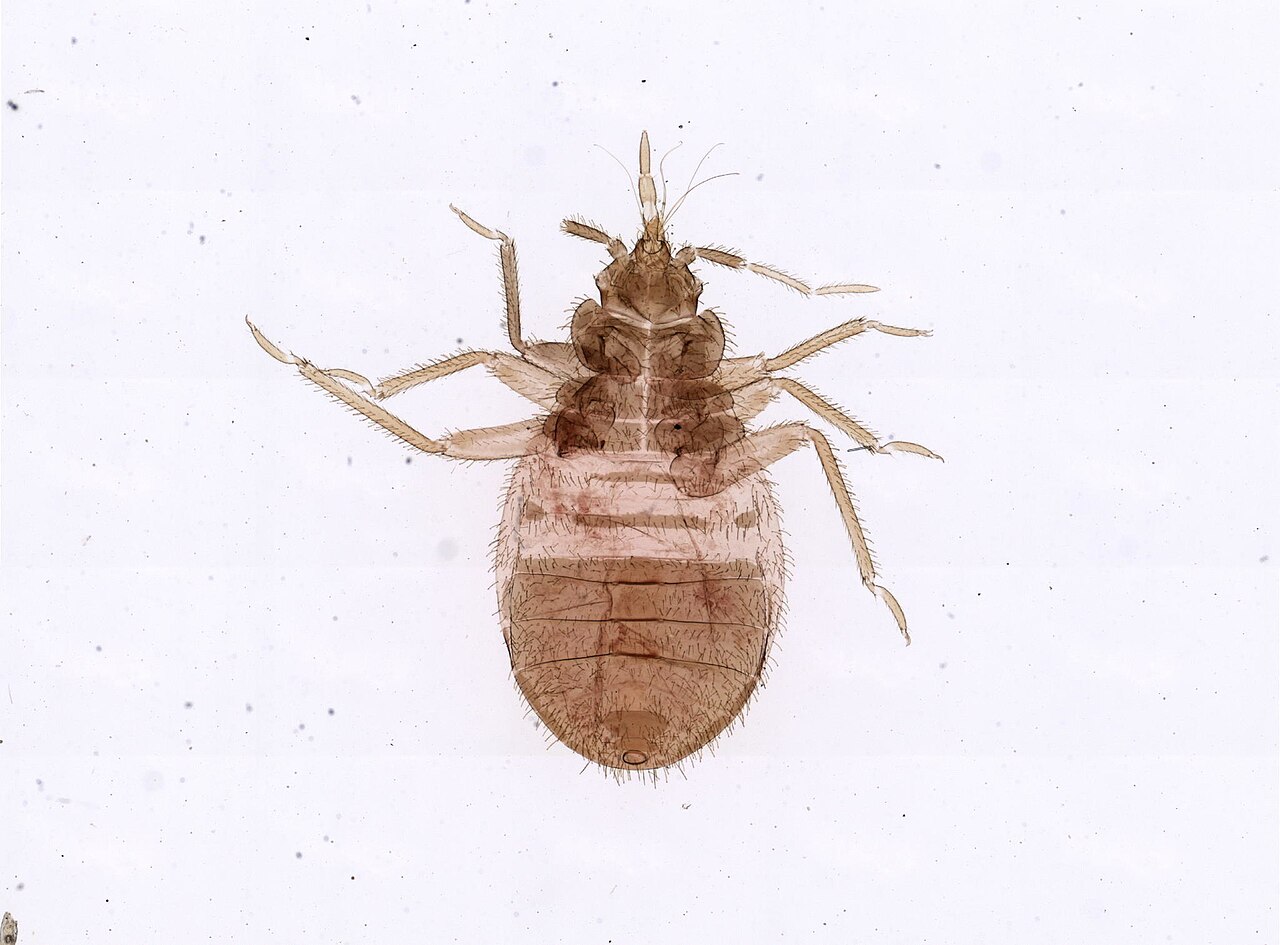 Flat reddish-brown insect. Hides in seams and bites while you sleep.
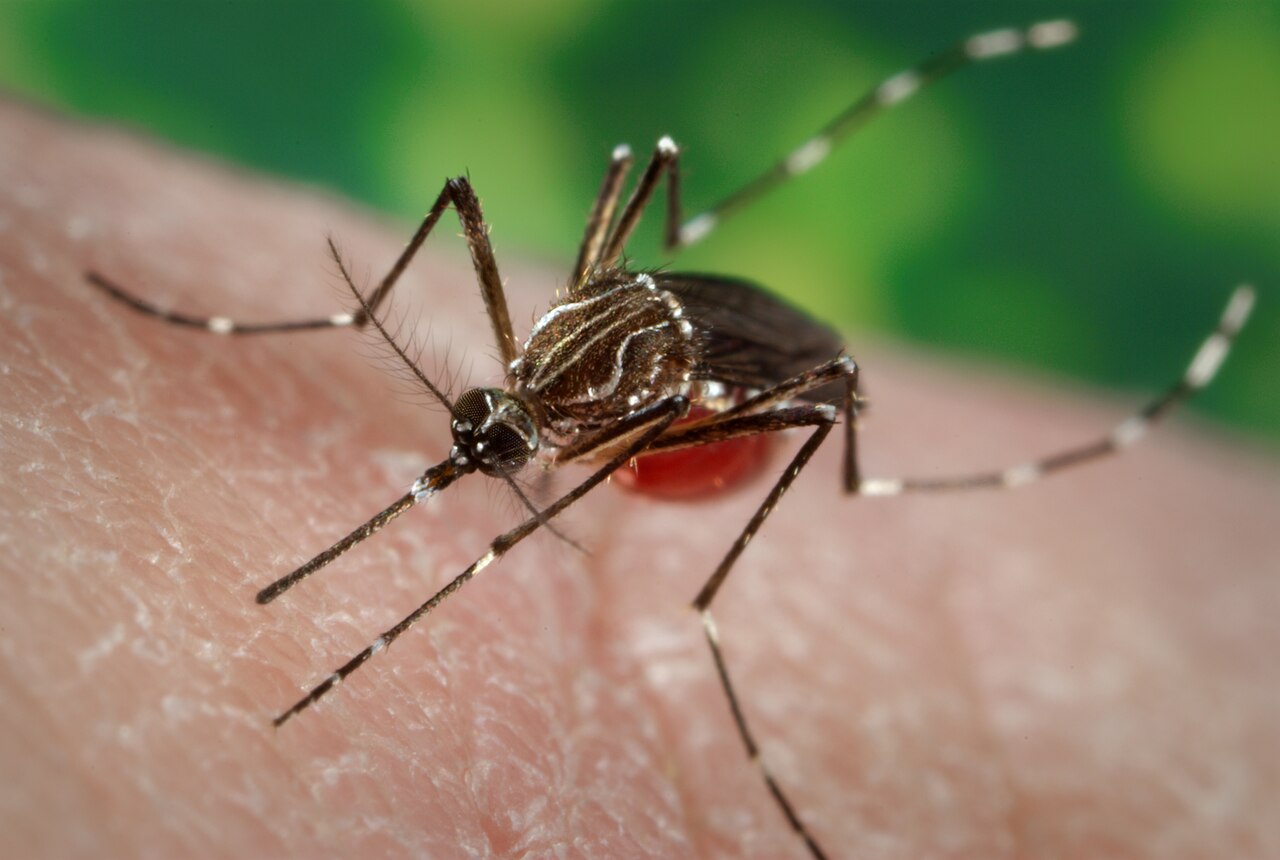 Bites at dawn and dusk. Breeds in any standing water on the property.
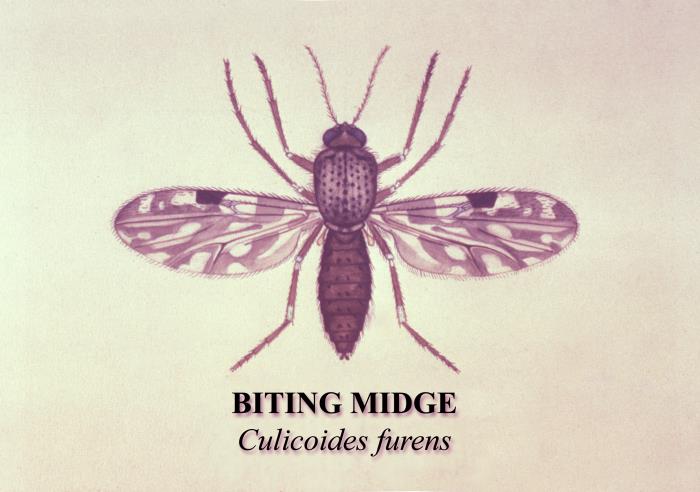 Biting midge small enough to pass through standard screen mesh.
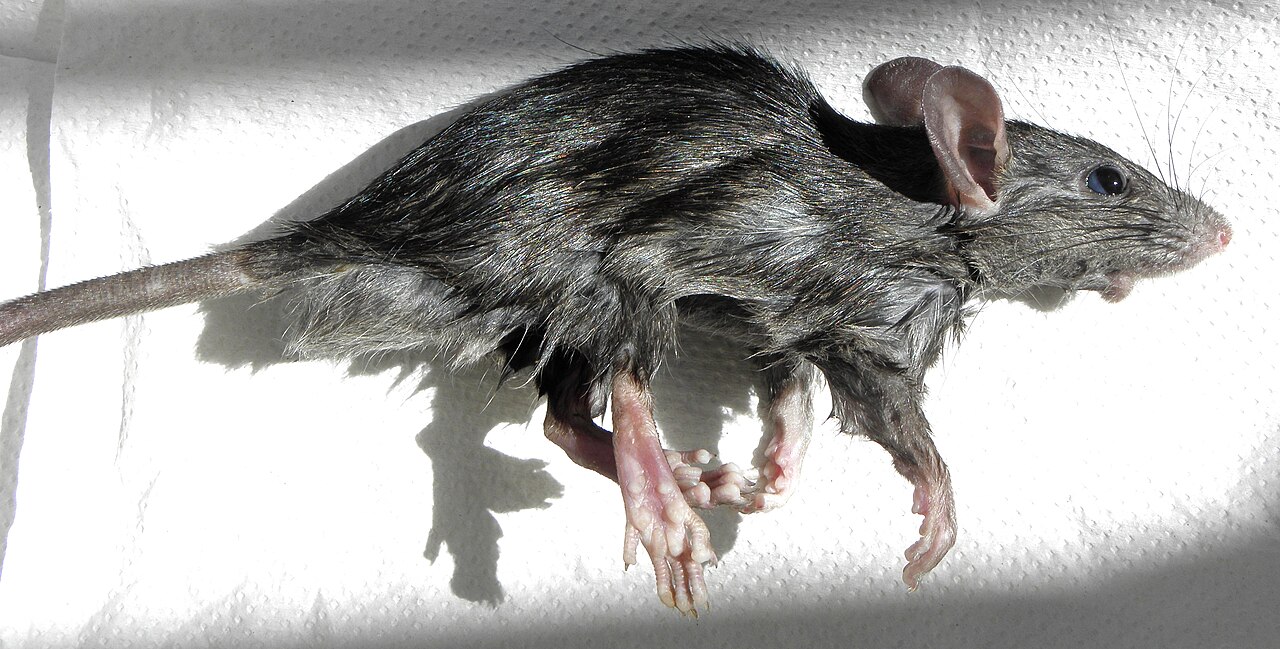 Slim climbing rat. Runs the roofline and nests in attics and palms.
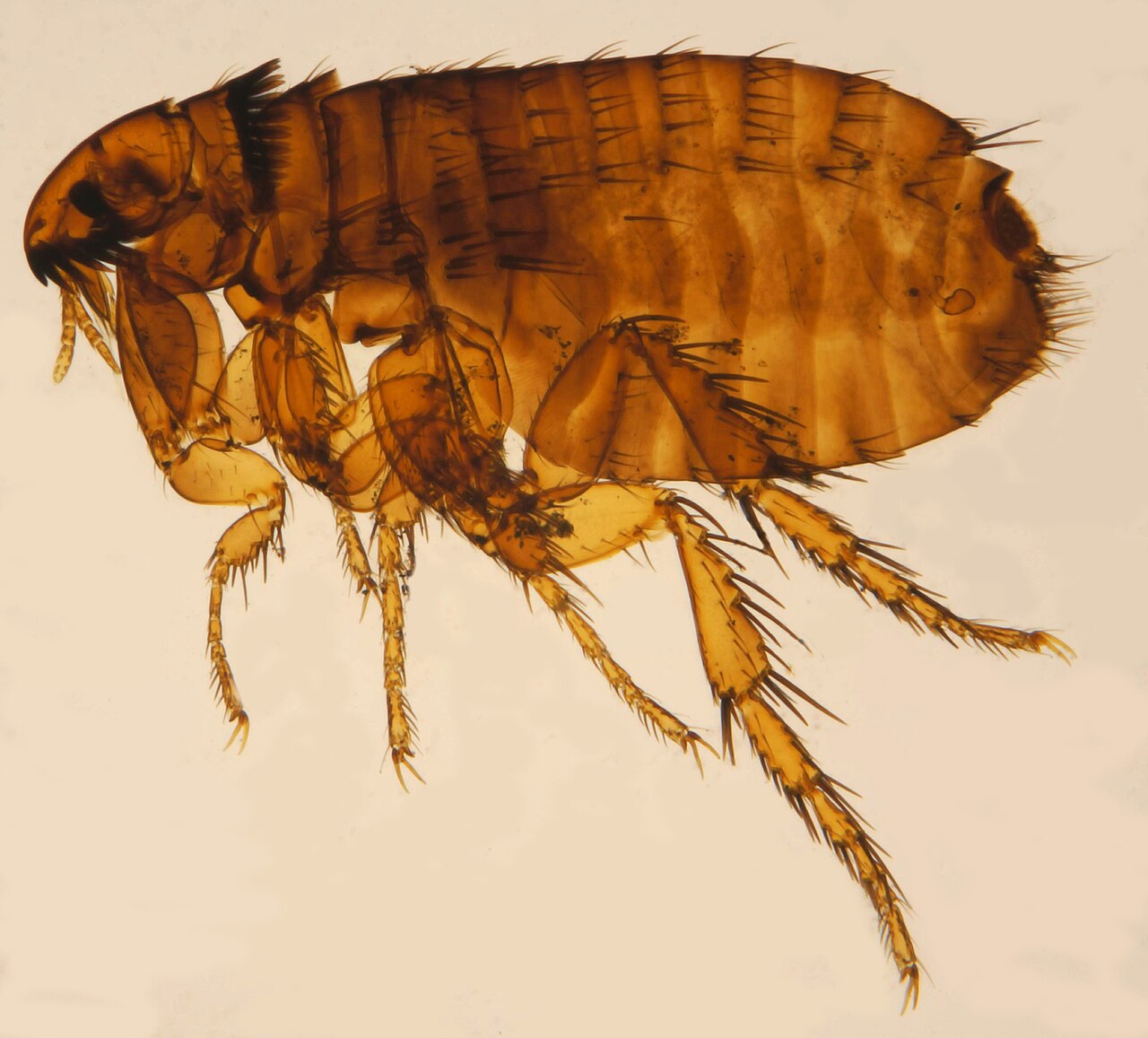 Tiny dark jumping insect. Bites ankles, lives where pets rest.
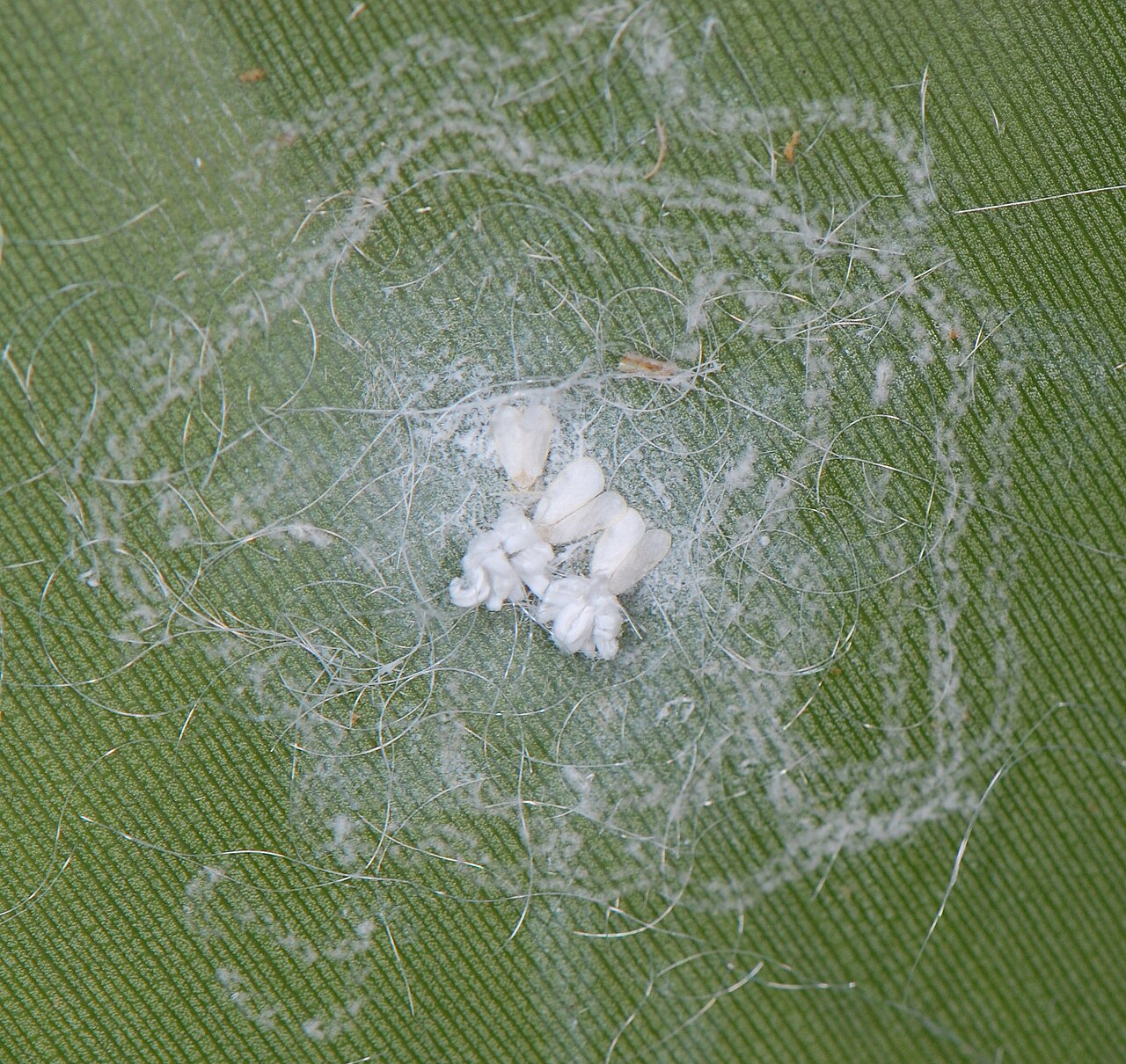 Tiny white flies under ficus leaves. Leaves sticky residue and sooty mold.
What we treat and how.
- General pest controlQuarterly interior and exterior treatment
- Termite controlInspection, treatment, yearly monitoring
- Mosquito controlYard misting through wet season
- Rodent controlTrapping, removal, exclusion sealing
- Bed bug treatmentHeat and targeted chemical treatment
- Flea and tick treatmentIndoor and yard, pet-household protocol
- Ant controlGhost, white-footed, fire, carpenter
- Cockroach controlGerman, American, Asian roaches
- Lawn and ornamentalChinch bugs, whitefly, fungus
- Wildlife exclusionIguanas, raccoons, attic sealing
How we work.
- 01InspectionWe walk the property inside and out and tell you what we found.
- 02Written plan and priceYou see the treatment and the cost before we start.
- 03TreatmentInterior where it's needed, exterior perimeter, and the entry points.
- 04Follow-upWe come back on schedule and after any activity between visits.
Most pests come back. Plans stop that.
A one-time treatment handles what you have today. Recurring service handles the season, which is where the pressure actually comes from here.
Every plan is inspection first, written price second, and a visit schedule you can change.
Quarterly
Four visits a year
$--
Starting price placeholder — ask us for a written quote.
- Exterior perimeter and eaves every visit
- Interior treatment where activity is found
- Ants, roaches, spiders, silverfish
- Re-service between visits on request
Bi-monthly
Six visits a year
$--
Starting price placeholder — ask us for a written quote.
- Everything in Quarterly, more often
- Exterior harborage and mulch line each visit
- Roach and ant pressure through wet season
- Rodent activity checks at the roofline
Monthly
Twelve visits a year
$--
Starting price placeholder — ask us for a written quote.
- Everything in Bi-monthly, monthly
- Mosquito source walk and resting-site treatment
- Lawn and ornamental checks on request
- Documentation suited to commercial accounts
What customers say.
We had tiny ants all over the kitchen counter for a month. The tech found where they were coming in off the lanai and the trails were gone in a few days.
Dana R., Naples
Needed a termite inspection before closing on our house. He walked the whole slab line with us and sent the written report the same afternoon.
Marcus H., Fort Myers
Our lanai was unusable by six o'clock every evening. Monthly service through the summer made it a place we actually sit again.
Priya S., Cape Coral
Schedule service.
(239) 387-0029REPLACE
We answer requests in the order they come in and call to confirm your window within one business day.