
Flea
Ctenocephalides felis
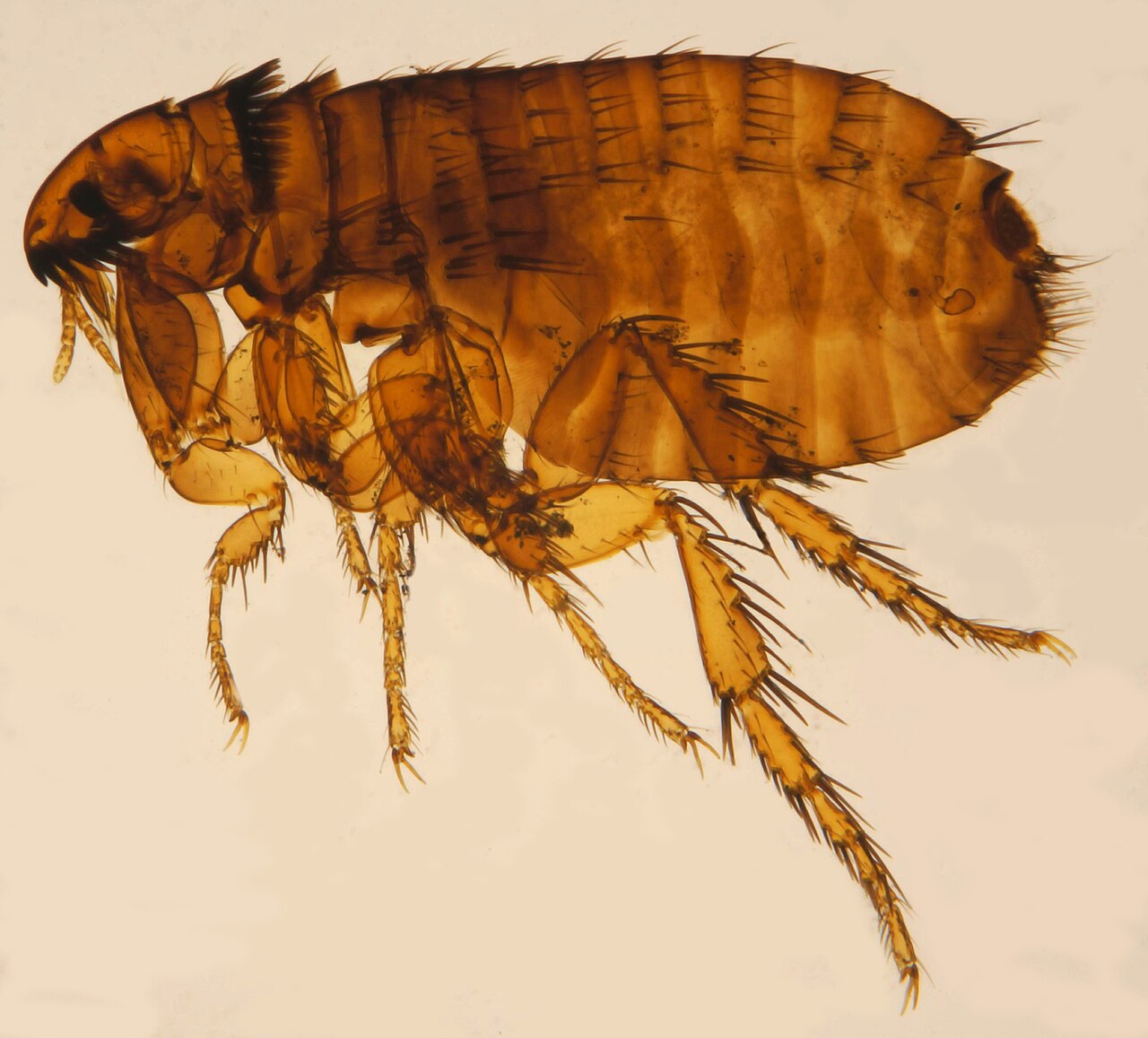
Tiny dark jumping insect. Bites ankles, lives where pets rest.
How to tell
- About 2 mm, dark brown, flattened side to side, and it jumps rather than crawls away.
- Black pepper-like specks in pet bedding are flea dirt, which turns rust-red on a damp paper towel.
- Bites cluster on ankles and lower legs.
- Most of the population is eggs and larvae in carpet fibers, not the adults you see.
Where you'll find it
- Pet bedding, upholstered furniture, and carpet along the wall line.
- Shaded soil under decks, shrubs, and the lanai.
- Vehicle interiors and the garage where a pet rides or rests.
Why it matters
Because the life cycle sits mostly in the carpet and soil, an untreated home keeps producing new adults for weeks after the pet is treated. Fleas irritate pets and bite people in the same rooms.
How Strike treats it
We treat the interior harborage and the shaded exterior areas the pets use, using a product that includes an insect growth regulator so the immature stages do not mature. Vacuuming before and after treatment matters as much as the application. We coordinate with your veterinarian's on-animal product, since treating the house without treating the pet does not hold. A follow-up visit two weeks later addresses the newly emerged adults.
What you can do before we arrive
- Vacuum all carpet and upholstery, then discard the bag or empty the canister outside.
- Wash pet bedding on hot and dry it fully.
- Have your pets on a veterinarian-recommended product before the visit.
- Pick up toys and clear the floor along the walls.
Related pests
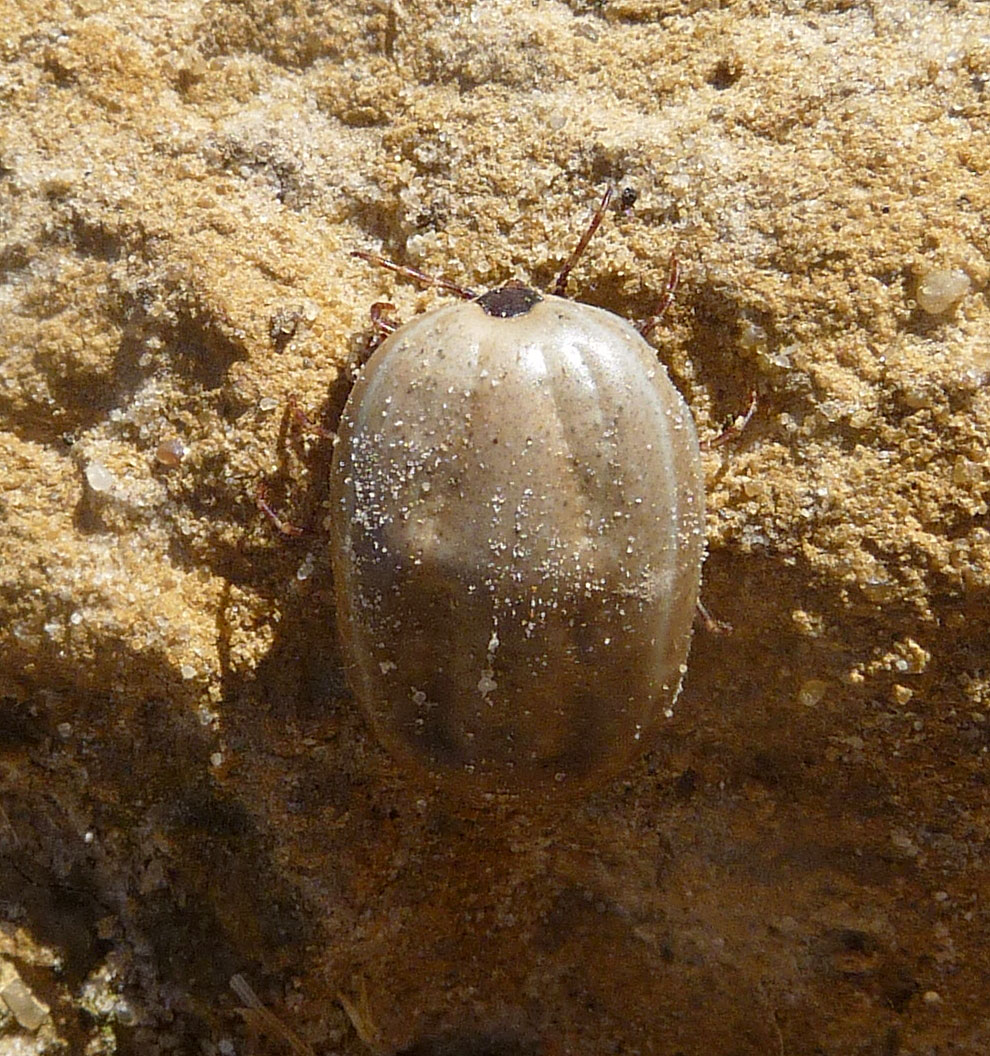 Eight-legged, flattened, attaches to pets. Found along yard edges.
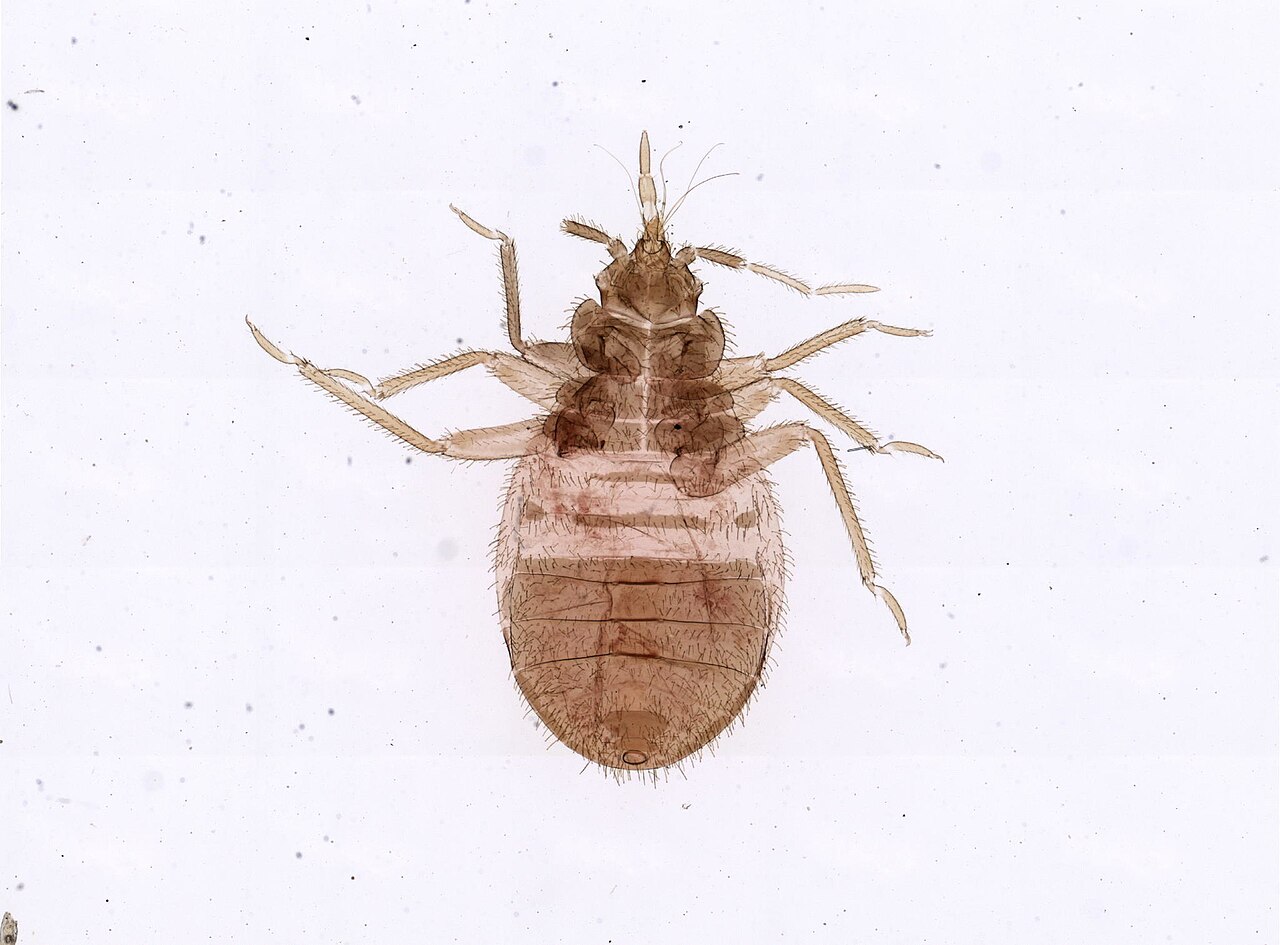 Flat reddish-brown insect. Hides in seams and bites while you sleep.
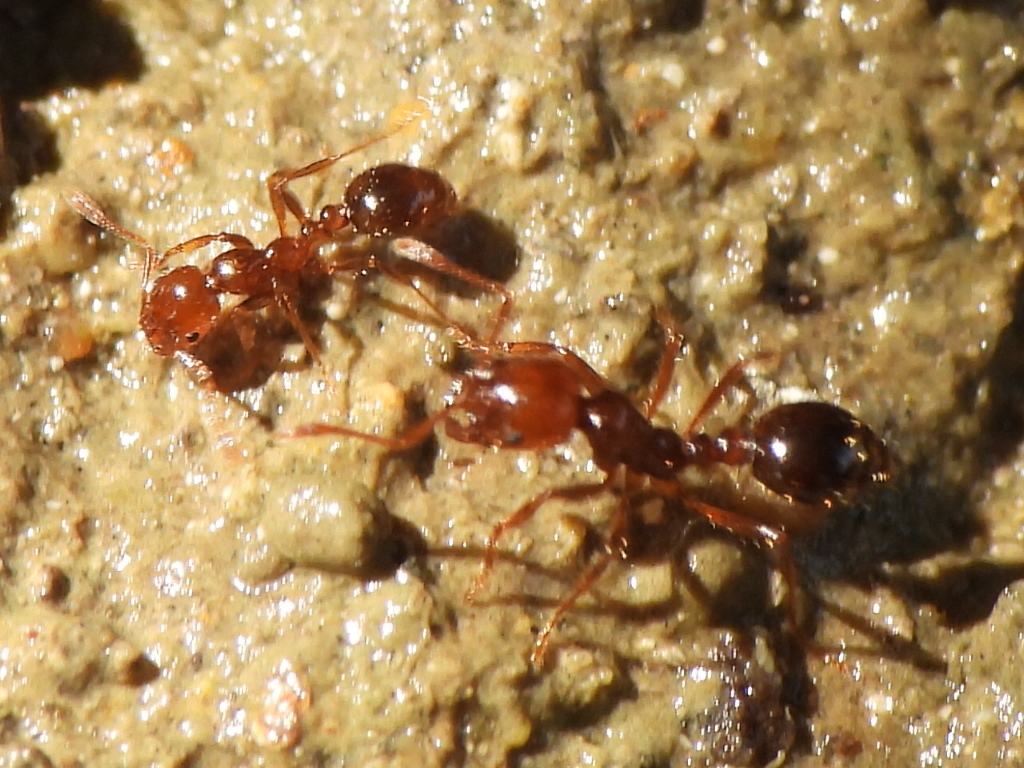 Reddish ants in loose soil mounds. Swarm and sting when disturbed.
Dealing with flea?
Call or send a request and we'll confirm your window within one business day.