
Tick
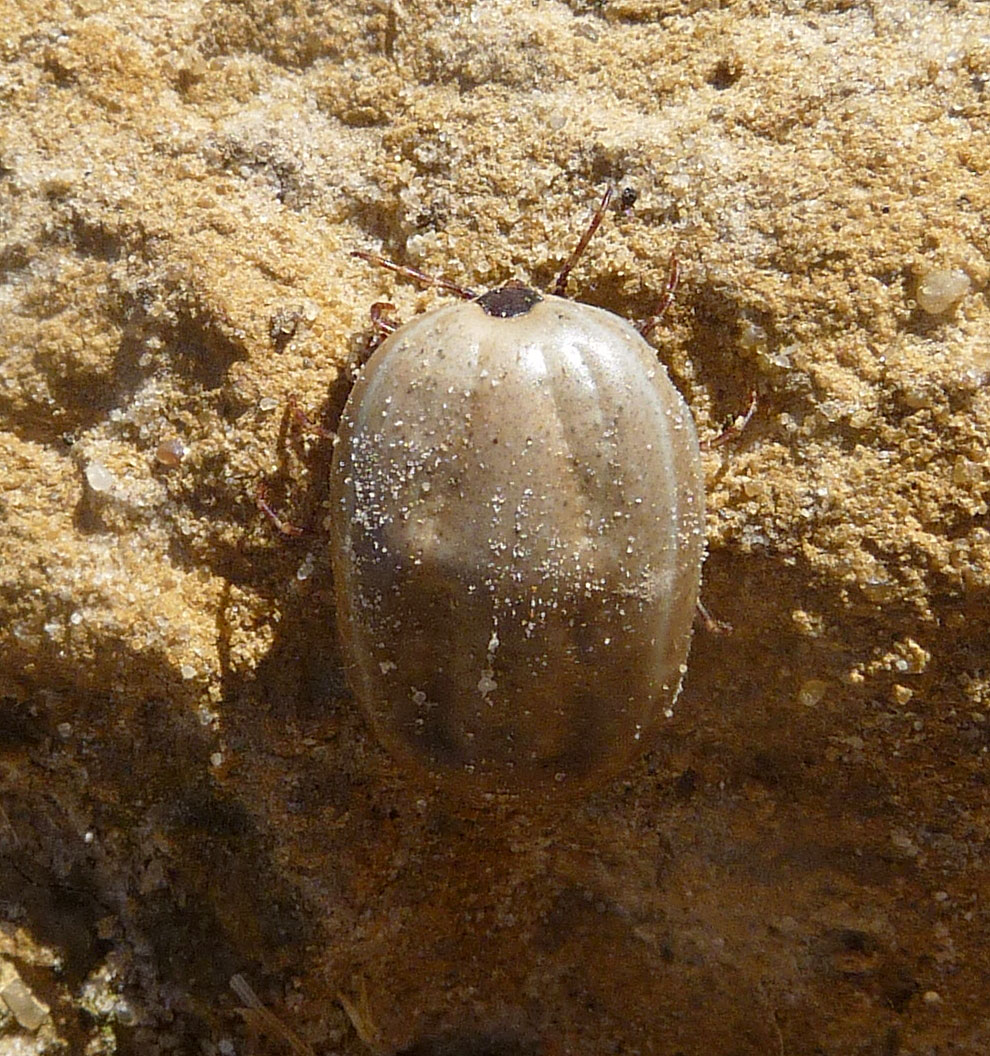
Rhipicephalus sanguineus
Eight-legged, flattened, attaches to pets. Found along yard edges.
How to tell
- Eight legs and no antennae — a tick is an arachnid, not an insect.
- Unfed adults are flat and 3 to 4 mm; engorged ones swell to the size of a small bean.
- The brown dog tick is the one that will complete its whole life cycle indoors, in a kennel or garage.
- Look for them along the seam where mowed lawn meets shrub or fence line.
Where you'll find it
- Fence lines, hedge bases, and tall grass at the property edge.
- Kennels, dog runs, and garage corners where a dog sleeps.
- Cracks and crevices near ceiling lines indoors, where brown dog ticks climb.
Why it matters
Ticks feed on pets and people and are recognized vectors for several diseases, which is a matter for a physician or veterinarian rather than for us. Brown dog tick populations indoors can persist for months without a fix to the harborage.
How Strike treats it
We inspect the yard edge and any kennel area, then treat harborage rather than broadcasting across open turf. Indoor work targets cracks, baseboards, and the ceiling line where this species climbs. Habitat changes — mowing, trimming the fence line, and clearing leaf litter — carry a large share of the result. We schedule a follow-up because the life cycle stages emerge on different timelines.
What you can do before we arrive
- Mow and trim the fence and hedge lines before the visit.
- Clear leaf litter and clutter from the kennel or dog run.
- Have pets on a veterinarian-recommended tick product.
- Show us the exact spot where the dog rests outdoors.
Related pests
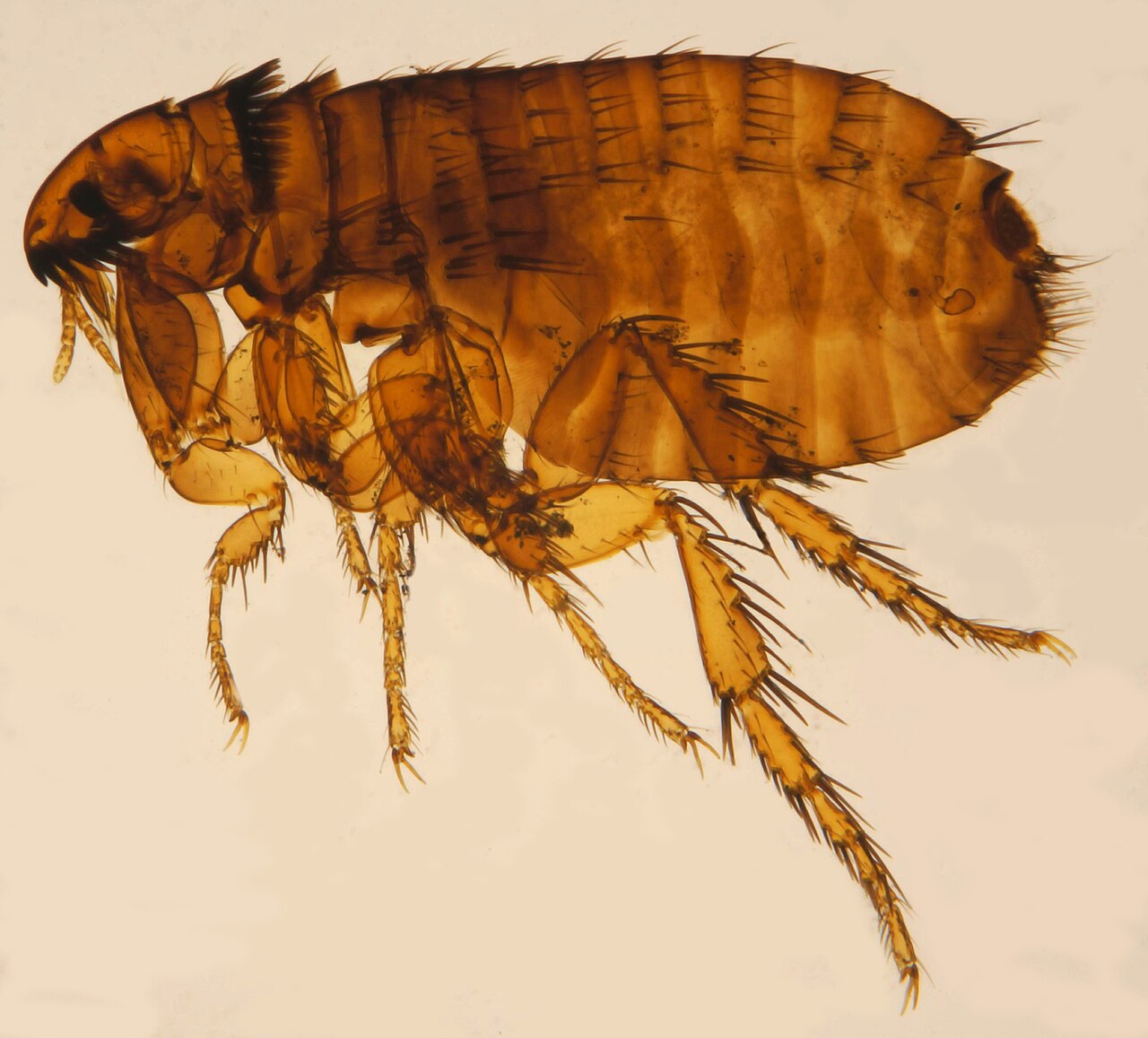 Tiny dark jumping insect. Bites ankles, lives where pets rest.
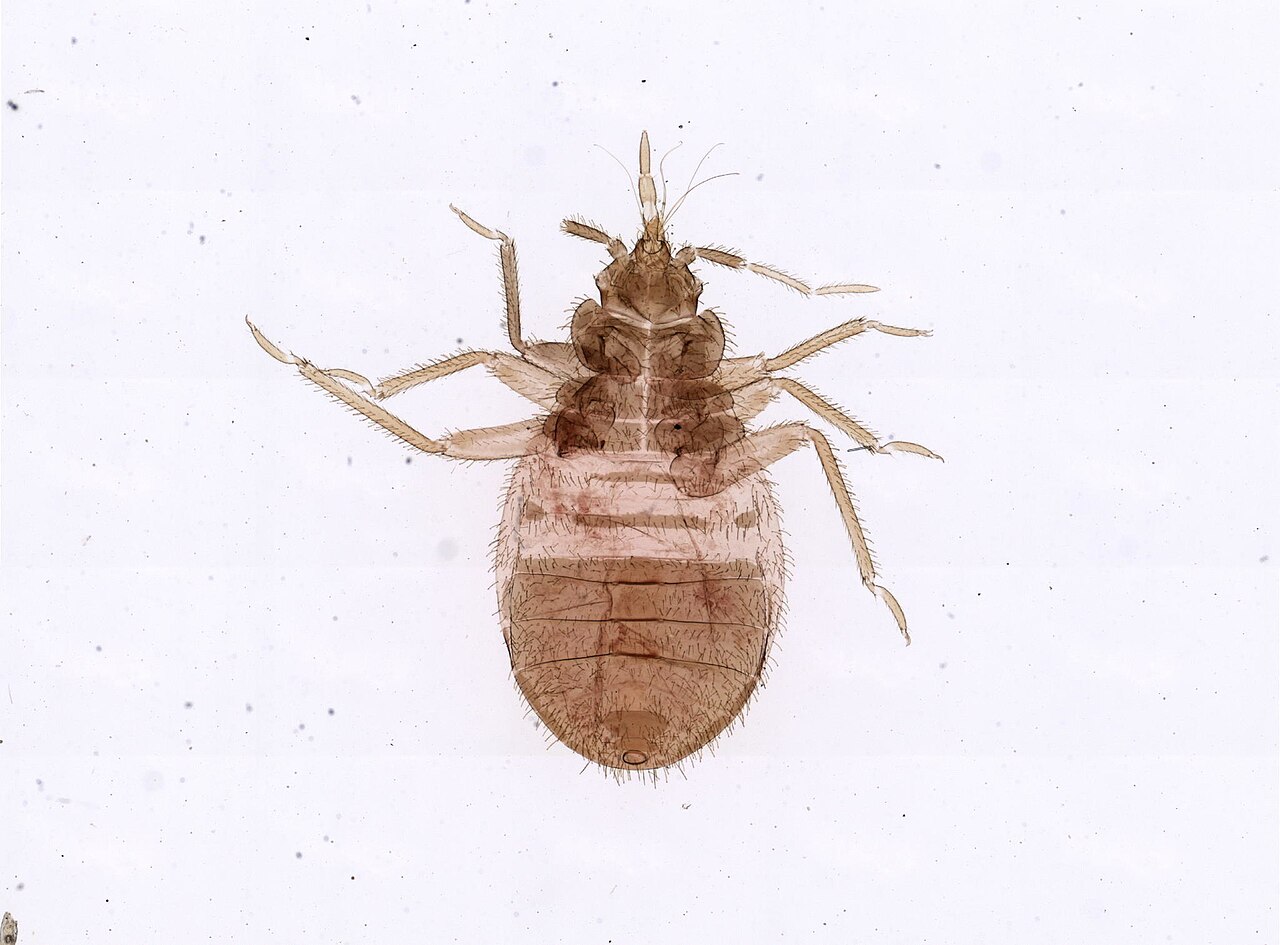 Flat reddish-brown insect. Hides in seams and bites while you sleep.
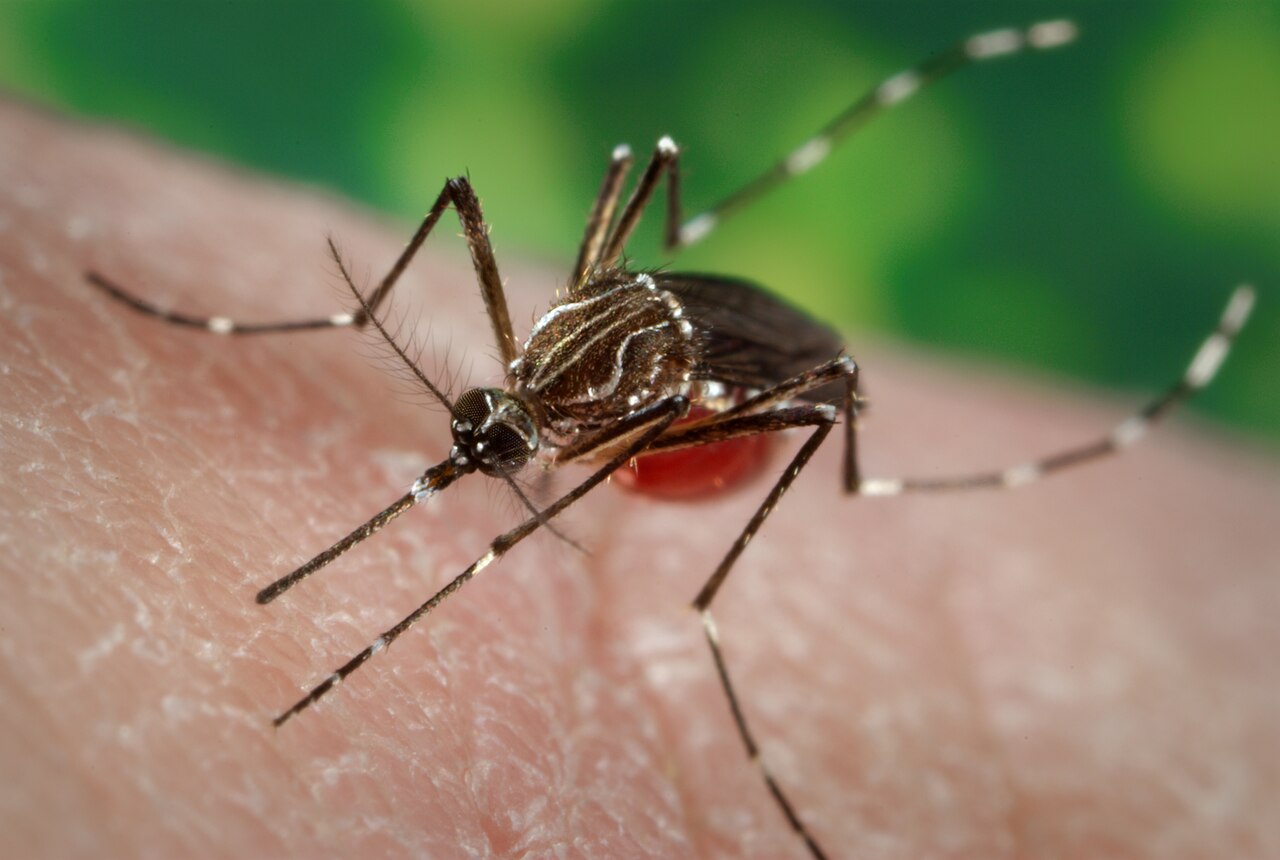 Bites at dawn and dusk. Breeds in any standing water on the property.
Dealing with tick?
Call or send a request and we'll confirm your window within one business day.