
Mosquito
Aedes aegypti
Bites at dawn and dusk. Breeds in any standing water on the property.
How to tell
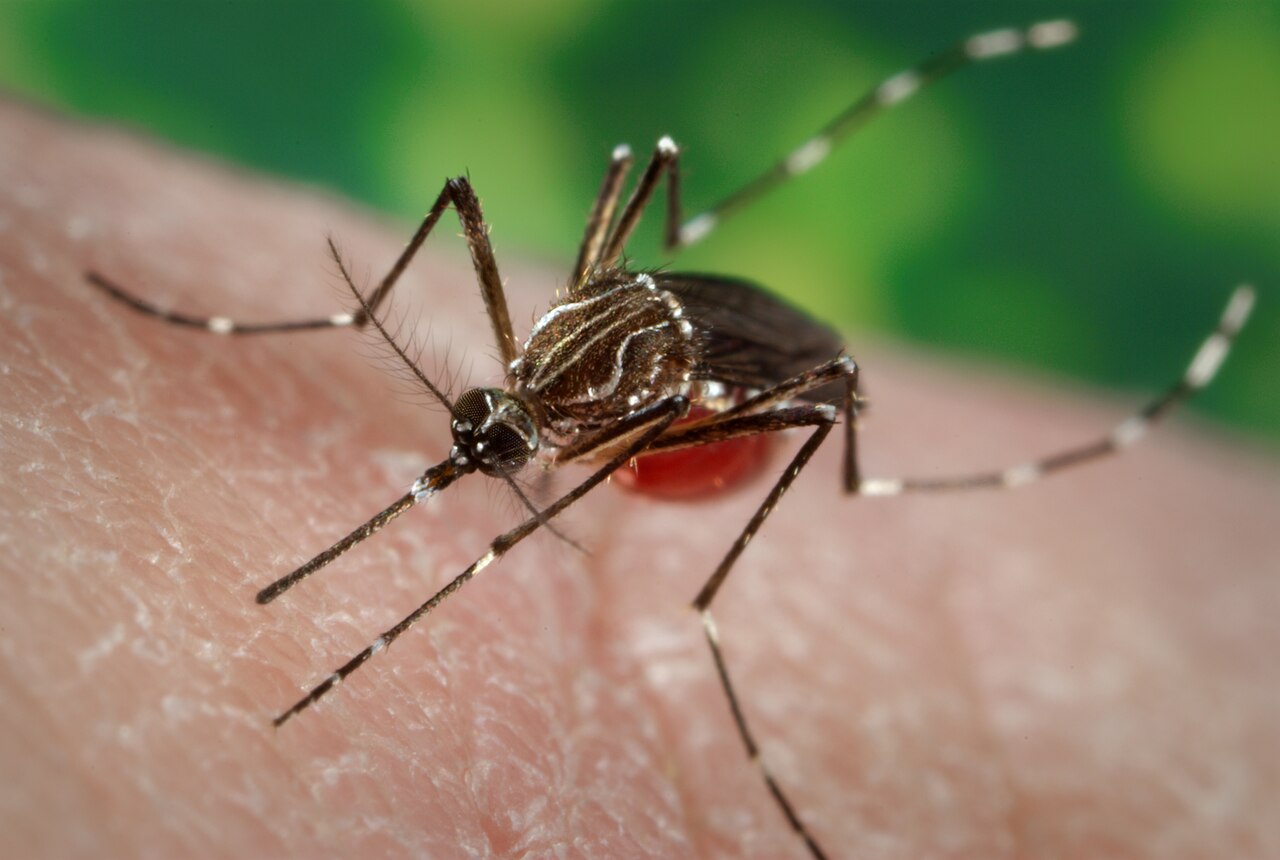
- Aedes aegypti is dark with white banding on the legs and a lyre-shaped marking on the thorax.
- It bites during the day, mostly early morning and late afternoon, close to where it emerged.
- Larvae need only a bottle cap of standing water to develop.
- Container breeders stay near the house; floodwater species arrive after heavy rain from farther off.
Where you'll find it
- Bromeliads, plant saucers, and the tray under a potted palm.
- Clogged gutters, tarps, and a boat cover holding water.
- Shaded shrubs and the underside of lanai furniture where adults rest during the heat.
Why it matters
Mosquitoes are a recognized vector for several diseases, and in Southwest Florida the wet season makes a yard unusable in the evenings. Most of the population on a residential lot originates in containers on that same lot.
How Strike treats it
The visit starts with a source walk — we find and empty or treat the standing water, because that is the part that actually changes the population. Then we apply a residual to the shaded resting surfaces where adults spend the day, and treat bromeliads and untippable water with a larvicide. Service runs monthly through the wet season, since rain resets the cycle. For events, a single service can be timed the day before.
What you can do before we arrive
- Empty plant saucers, buckets, and anything holding water.
- Clear the gutters and flip anything that collects rain.
- Move pet bowls and children's toys off the lanai for the visit.
- Tell us where and when you are getting bitten most.
Related pests
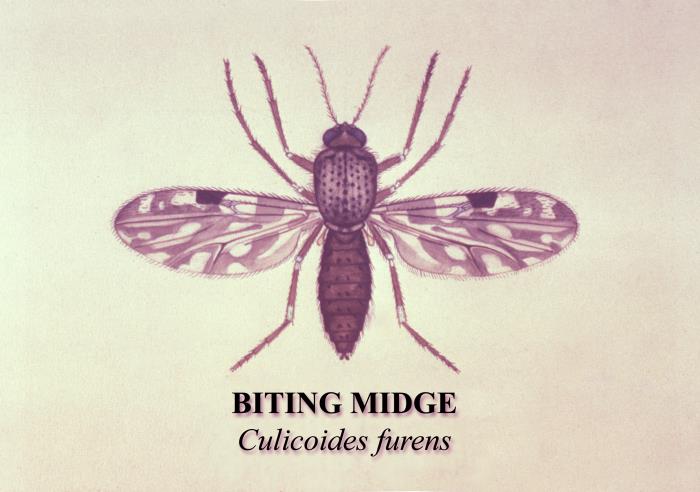 Biting midge small enough to pass through standard screen mesh.
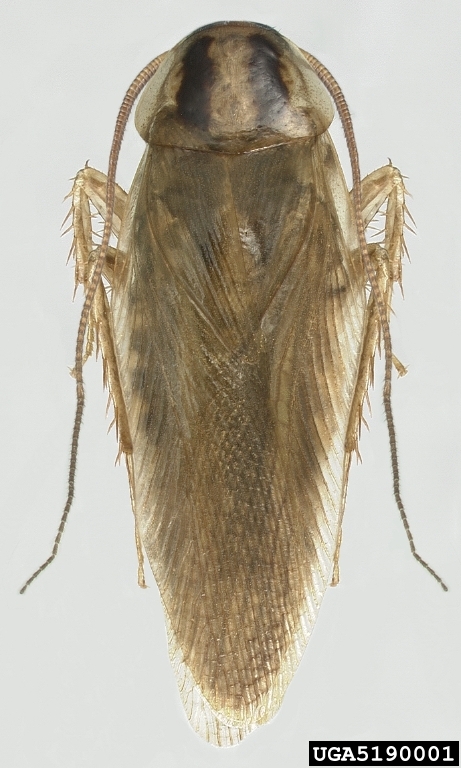 Looks like a German roach but flies to lights at dusk from the lawn.
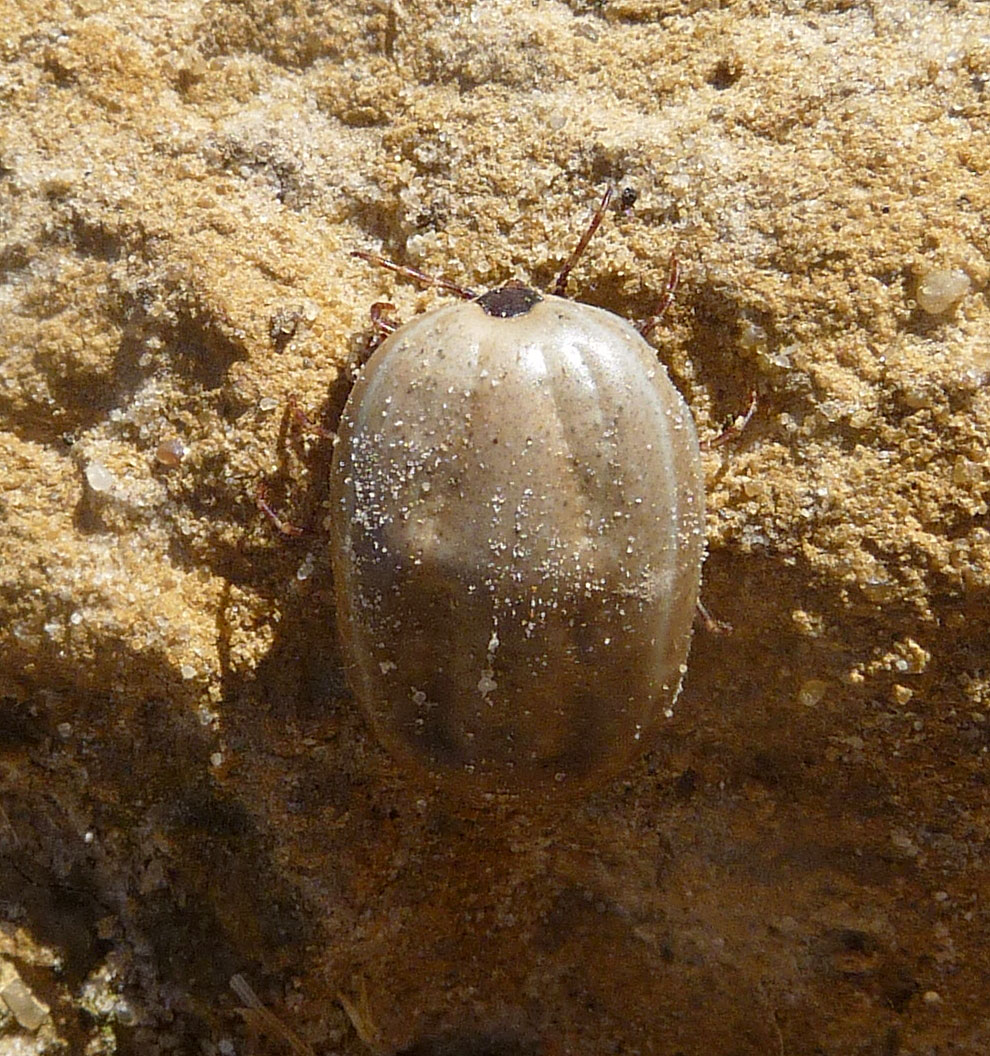 Eight-legged, flattened, attaches to pets. Found along yard edges.
Dealing with mosquito?
Call or send a request and we'll confirm your window within one business day.