
Carpenter ant
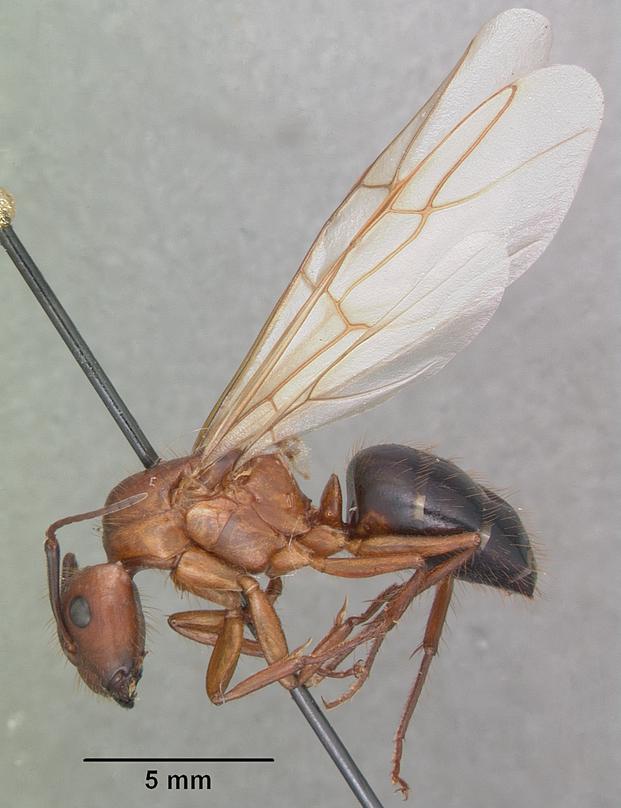
Camponotus floridanus
Large ant, active at night. Hollows out damp wood to nest.
SeasonSpring through fall
WhereWood and wall voids
RiskWood damage
How to tell
- Large, 6 to 12 mm, with a smoothly rounded thorax seen from the side.
- Most activity is after dark, so daytime sightings usually mean a big colony.
- Coarse sawdust-like shavings below a hole, often mixed with insect parts.
- Unlike termites, they do not eat wood — they excavate galleries with clean, smooth walls.
Where you'll find it
- Window and door frames where flashing leaks.
- Wood fascia and soffit under a roof line that stays wet.
- Attic framing near a bathroom vent or an old roof leak.
Why it matters
Carpenter ants follow moisture, so their galleries usually mark a water problem before they become a structural one. Left alone, satellite nests spread through wet framing and trim.
How Strike treats it
The inspection is the important part: we trace the moisture and find the parent nest, often in a tree or wet exterior wood. Treatment combines a non-repellent exterior application with direct void treatment where galleries are confirmed. We will tell you plainly if the fix is a roofing or plumbing repair rather than a product. Follow-up confirms the nest is inactive rather than just quiet.
What you can do before we arrive
- Note where and when you see them, especially after dark.
- Leave any sawdust piles in place for us to look at.
- Clear stored items away from the wall in garages and closets.
- Point out any past leak, even one you already repaired.
Related pests
Subterranean termiteCoptotermes formosanus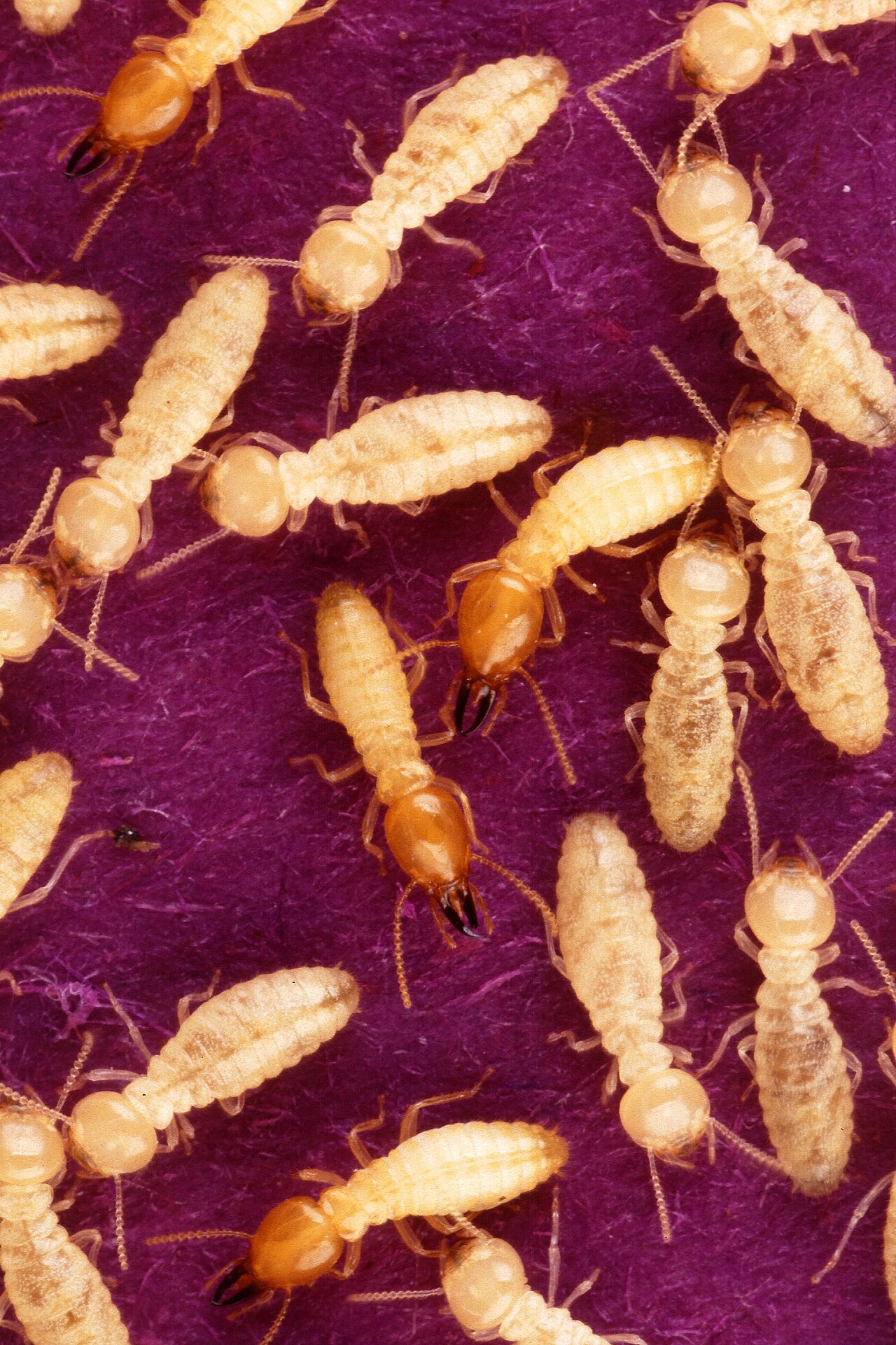 Builds mud tubes from soil to wood. Swarms in spring evenings.Drywood termiteCryptotermes brevis
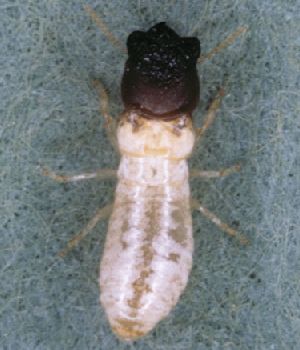 Lives inside dry wood. Pushes out small hard pellets, no soil contact.White-footed antTechnomyrmex difficilis
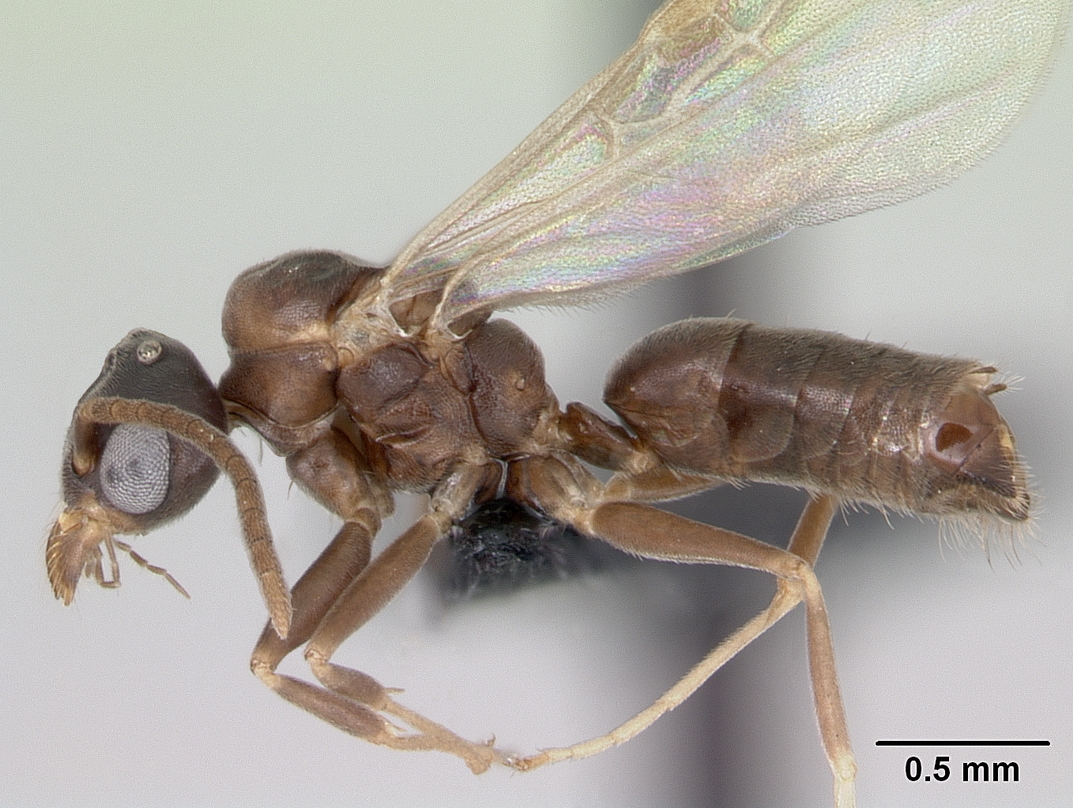 Black ant with pale feet. Huge outdoor colonies that trail up walls.
Builds mud tubes from soil to wood. Swarms in spring evenings.SeasonSwarms February through June
WhereSoil contact and framing
RiskStructural wood damage
Lives inside dry wood. Pushes out small hard pellets, no soil contact.SeasonSwarms April through November
WhereTrim, furniture, attic wood
RiskWood damage
Black ant with pale feet. Huge outdoor colonies that trail up walls.SeasonYear-round, peaks in wet season
WhereOutdoors and indoors
RiskNuisance, large numbers
Dealing with carpenter ant?
Call or send a request and we'll confirm your window within one business day.