
Drywood termite
Cryptotermes brevis
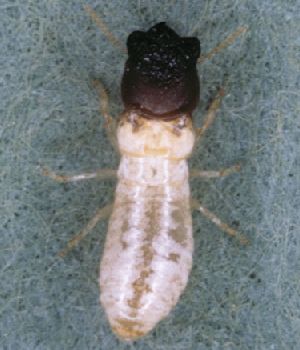
Lives inside dry wood. Pushes out small hard pellets, no soil contact.
How to tell
- The first sign is usually frass — tiny six-sided pellets in a small pile beneath a kick-out hole.
- No mud tubes and no soil contact, unlike subterranean termites.
- Colonies are small and localized, often confined to one board or one piece of furniture.
- Swarmers are amber with smoky wings and appear indoors after dark near lights.
Where you'll find it
- Window and door casings, especially on the sunny side.
- Attic rafters, fascia, and eave blocking.
- Wooden furniture, doors, and picture frames brought from another property.
Why it matters
Drywood termites feed slowly but need no ground moisture, so they can occupy trim, attic framing, or furniture anywhere in the structure. Because the colonies are hidden, damage is usually found long after it starts.
How Strike treats it
We inspect to map every active gallery, since drywood work depends entirely on how localized it is. Where activity is confined, treatment is a targeted injection into the galleries plus wood treatment on accessible surfaces. Where activity is widespread, the appropriate options are quoted in writing under the correct license category, and any fumigation scope and terms come from the owner rather than from this page. Monitoring visits confirm whether new frass appears.
What you can do before we arrive
- Collect a spoonful of the pellets in a bag for identification.
- Photograph the pile before vacuuming it, and note the date.
- Clear closets and shelving along the affected wall.
- Tell us about any furniture recently brought in from elsewhere.
Related pests
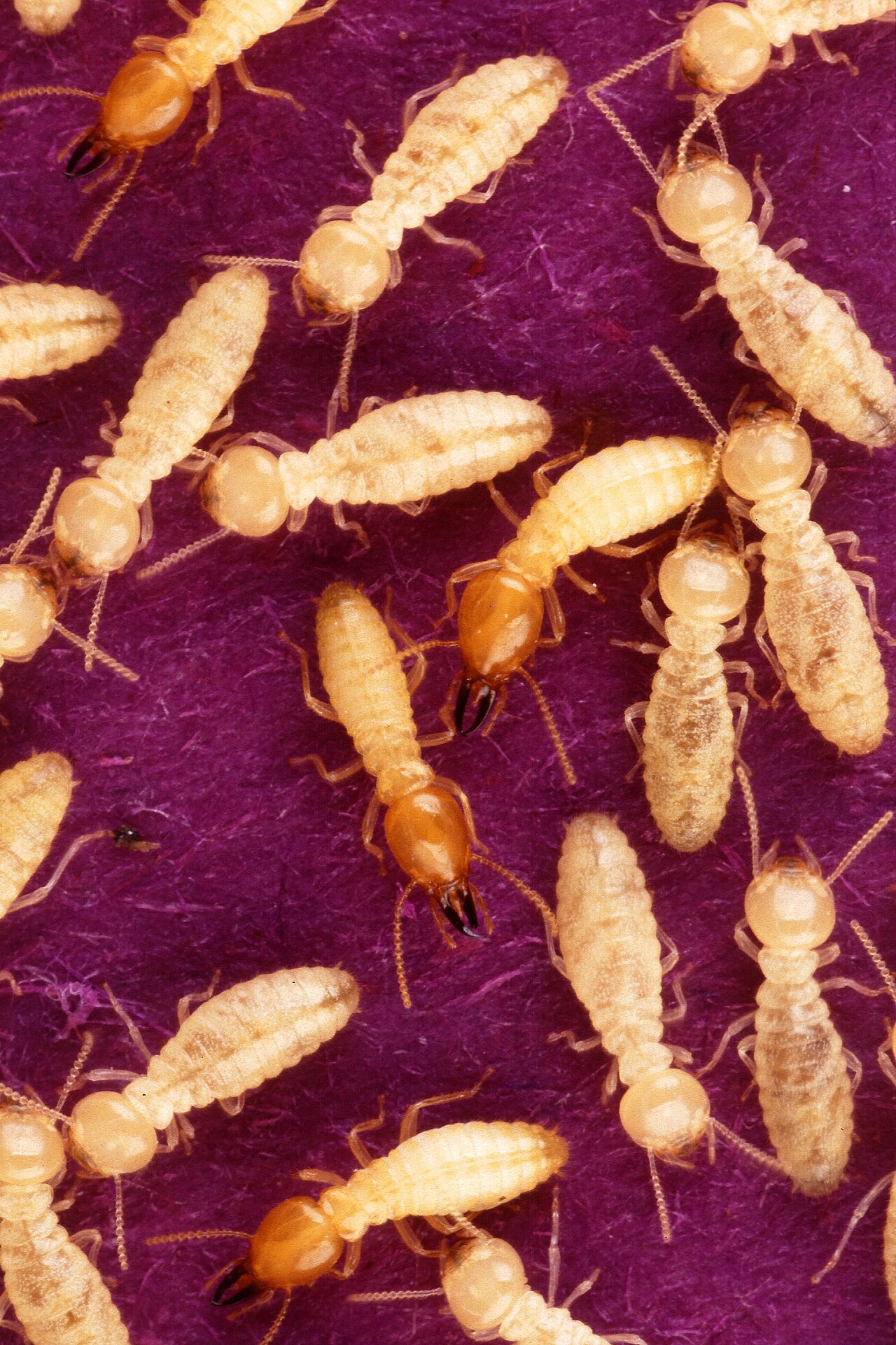 Builds mud tubes from soil to wood. Swarms in spring evenings.
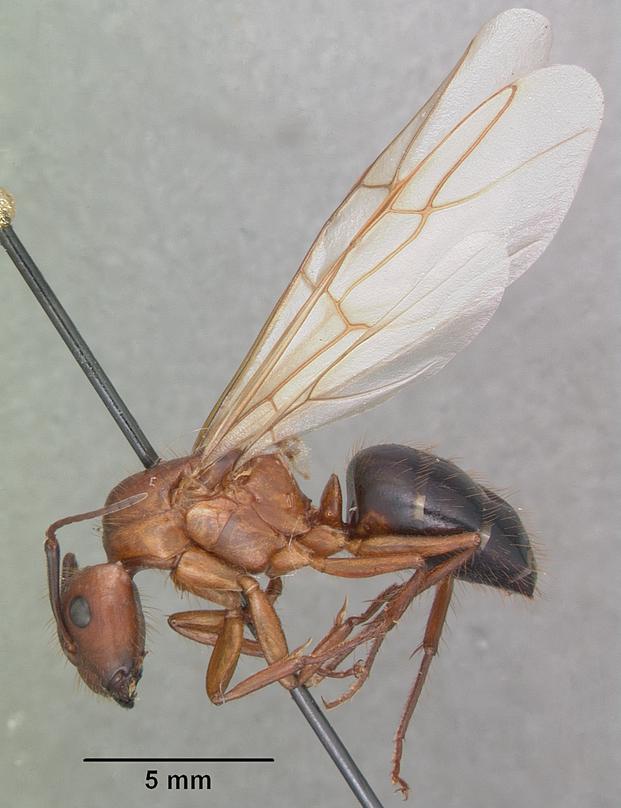 Large ant, active at night. Hollows out damp wood to nest.
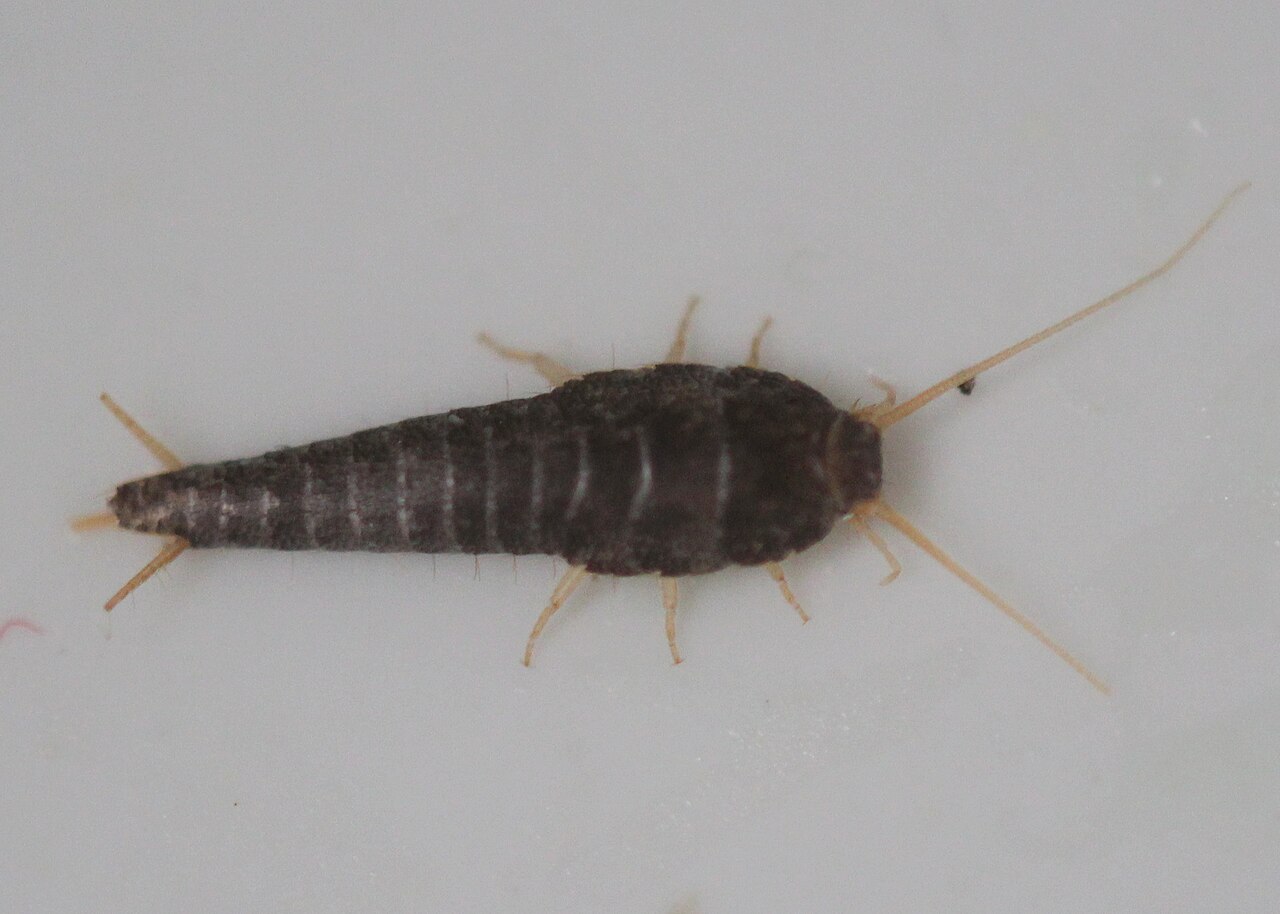 Teardrop-shaped, silvery, fast. Feeds on paper, starch, and glue.
Dealing with drywood termite?
Call or send a request and we'll confirm your window within one business day.