
White-footed ant
Technomyrmex difficilis
Black ant with pale feet. Huge outdoor colonies that trail up walls.
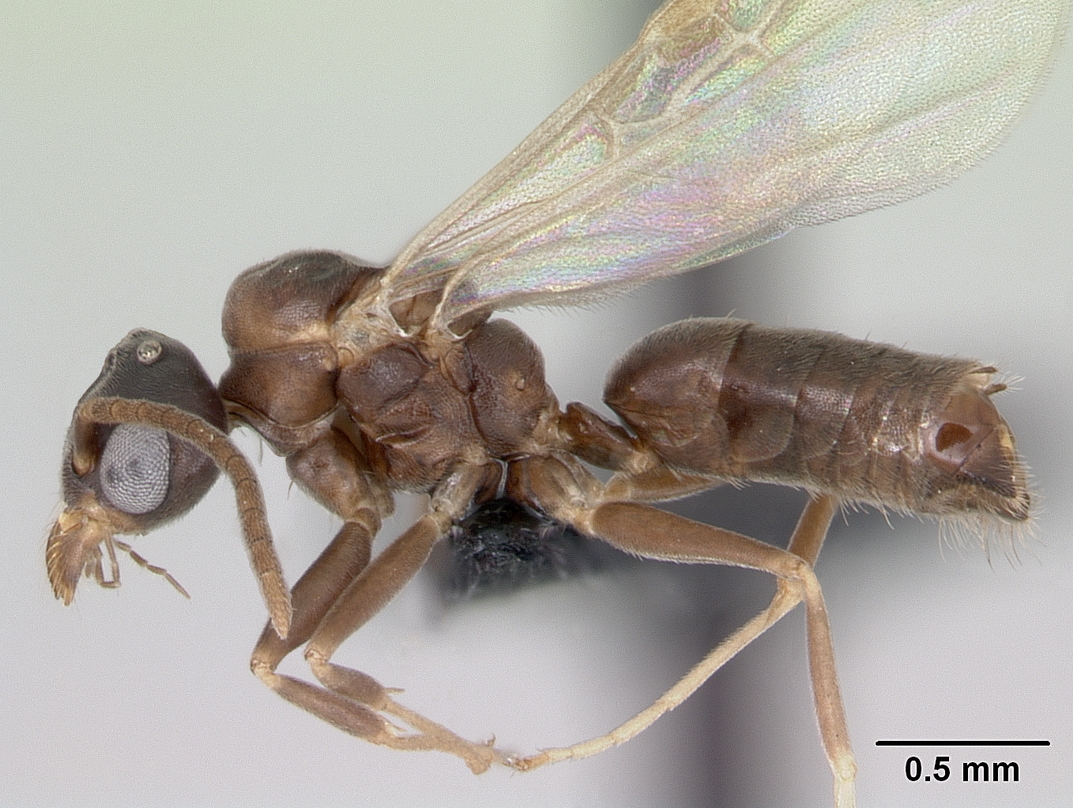
How to tell
- About 3 mm, black body with clearly lighter, yellowish-white feet.
- Colonies run into the tens of thousands, so you see continuous columns rather than a few ants.
- Trails run up stucco, downspouts, and tree trunks toward the roofline.
- Unlike carpenter ants, they do not excavate wood — they nest in leaf litter, mulch, and wall voids.
Where you'll find it
- Mulch beds and irrigation boxes against the foundation.
- Under roof tiles and along soffit seams.
- Tree and shrub branches touching the house.
Why it matters
White-footed ants do not bite or damage structures, but the colony size means a small trail becomes a constant stream across a lanai or kitchen. They also tend honeydew-producing insects on ornamentals, which keeps the population fed.
How Strike treats it
We treat the landscape and the structure together, because the nest is usually in mulch or a shrub rather than the wall. That means a non-repellent exterior band, targeted treatment of trailing surfaces, and trimming recommendations where branches bridge to the roof. Liquid baiting works only partially with this species, so perimeter work carries most of the load. Follow-up is on a recurring schedule through the wet season.
What you can do before we arrive
- Cut back any branch or vine touching the roof or wall.
- Pull mulch back six inches from the foundation.
- Point out any irrigation head that soaks the wall.
- Leave the trail visible so we can follow it to the nest.
Related pests
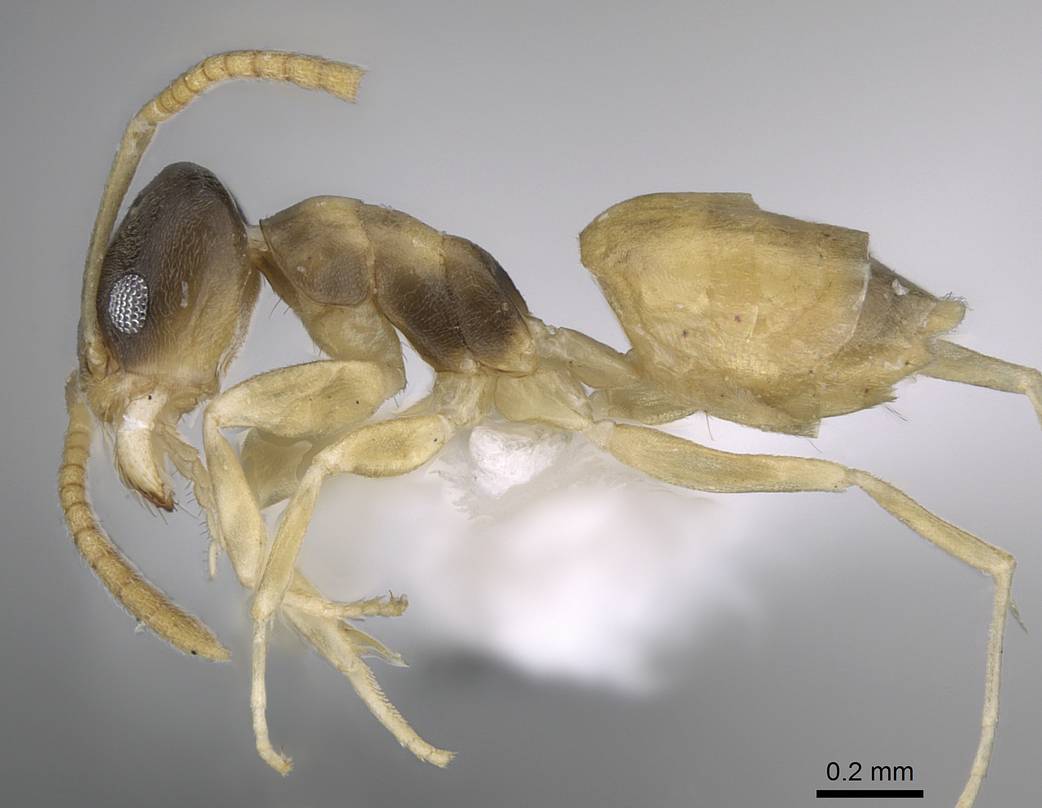 Very small and pale. Trails along counters, sinks, and baseboards.
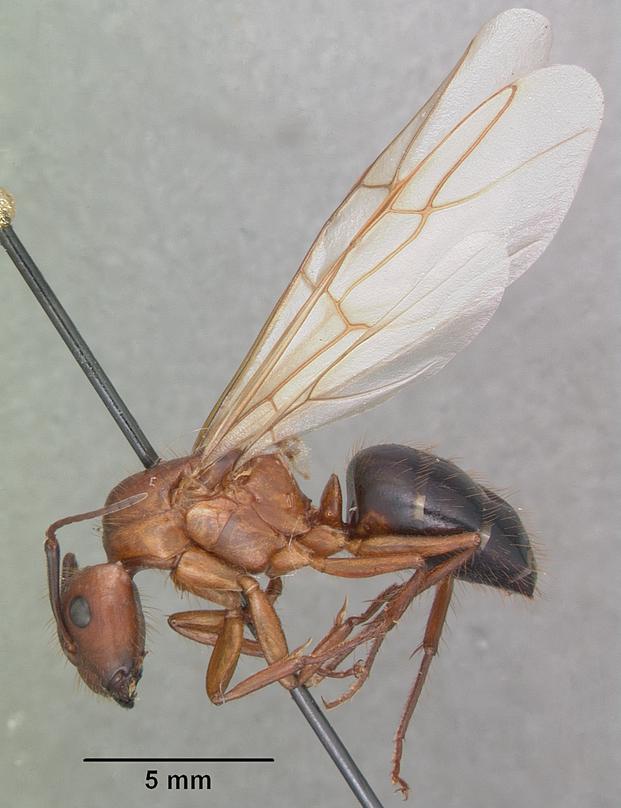 Large ant, active at night. Hollows out damp wood to nest.
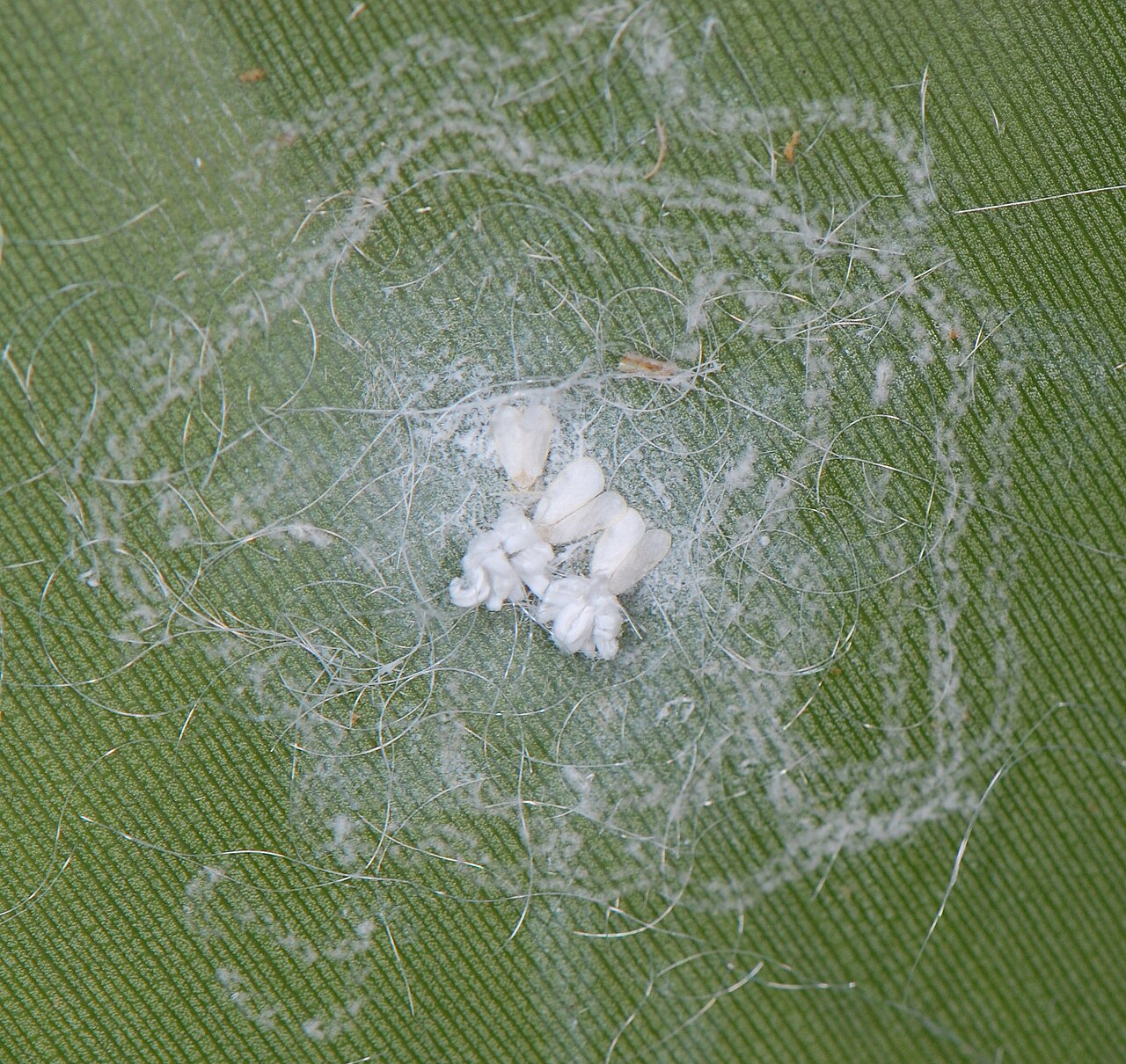 Tiny white flies under ficus leaves. Leaves sticky residue and sooty mold.
Dealing with white-footed ant?
Call or send a request and we'll confirm your window within one business day.