
Whitefly
Aleurodicus dispersus
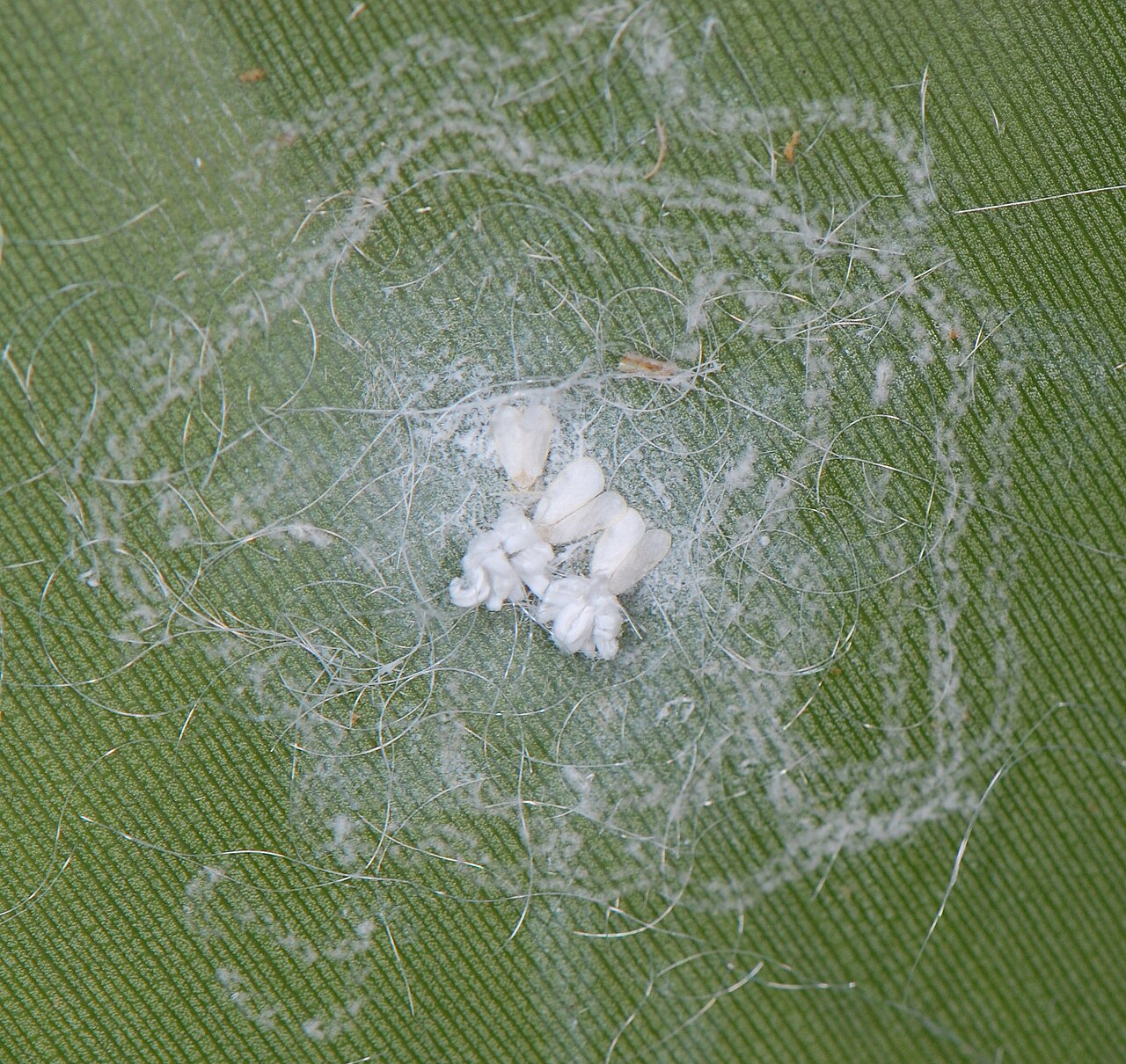
Tiny white flies under ficus leaves. Leaves sticky residue and sooty mold.
SeasonSpring through fall
WhereFicus, palms, ornamentals
RiskPlant decline
How to tell
- Adults are 1 to 2 mm and pure white, and they lift in a cloud when you brush the hedge.
- Turn a leaf over: the undersides carry white waxy spirals and immature stages.
- A black sooty mold grows on the sticky honeydew below, staining pavers, cars, and pool cages.
- Ficus hedges show thinning and leaf drop from the inside out.
Where you'll find it
- Ficus hedges and ficus trees, which take the worst of it in this region.
- Gumbo limbo, coconut palms, and other ornamentals.
- Anything parked or paved beneath an affected hedge.
Why it matters
Heavy whitefly pressure defoliates ficus hedges, and a mature privacy hedge is expensive to replace. The honeydew and sooty mold also stain hardscape, screen cages, and vehicles.
How Strike treats it
This is lawn and ornamental work. We identify the species, since treatment timing differs, then apply a systemic soil application at the root zone and a foliar treatment where numbers are high. Applications are timed to the plant's growth so the material moves where it is needed. Hedges under pressure are inspected on a recurring schedule through the growing season.
What you can do before we arrive
- Do not prune heavily right before treatment — new growth is where the material goes.
- Water the root zone the day before a soil application unless we say otherwise.
- Move vehicles out from under affected hedges.
- Point out which sections declined first.
Related pests
White-footed antTechnomyrmex difficilis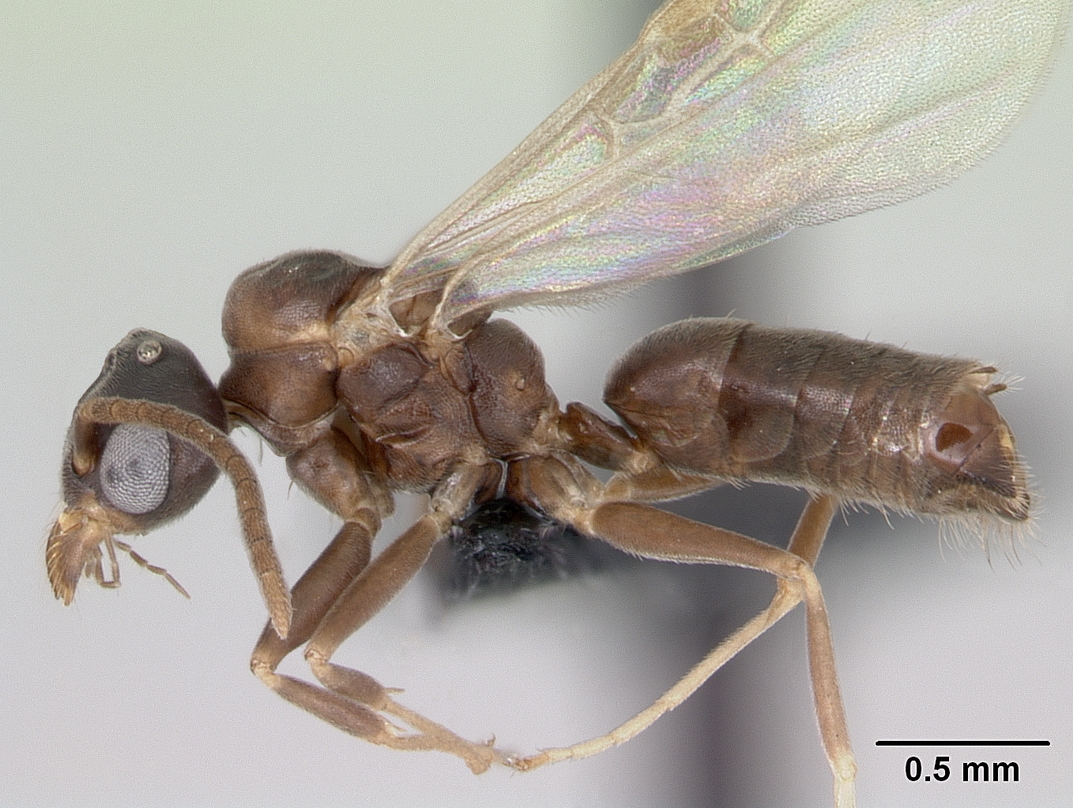 Black ant with pale feet. Huge outdoor colonies that trail up walls.No-see-umCulicoides furens
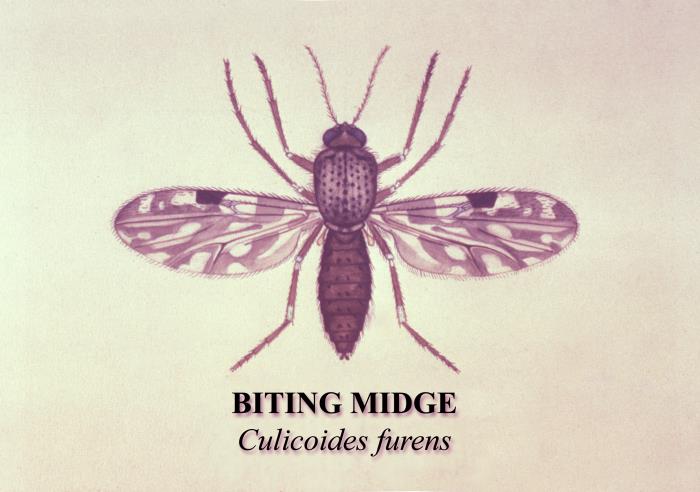 Biting midge small enough to pass through standard screen mesh.MosquitoAedes aegypti
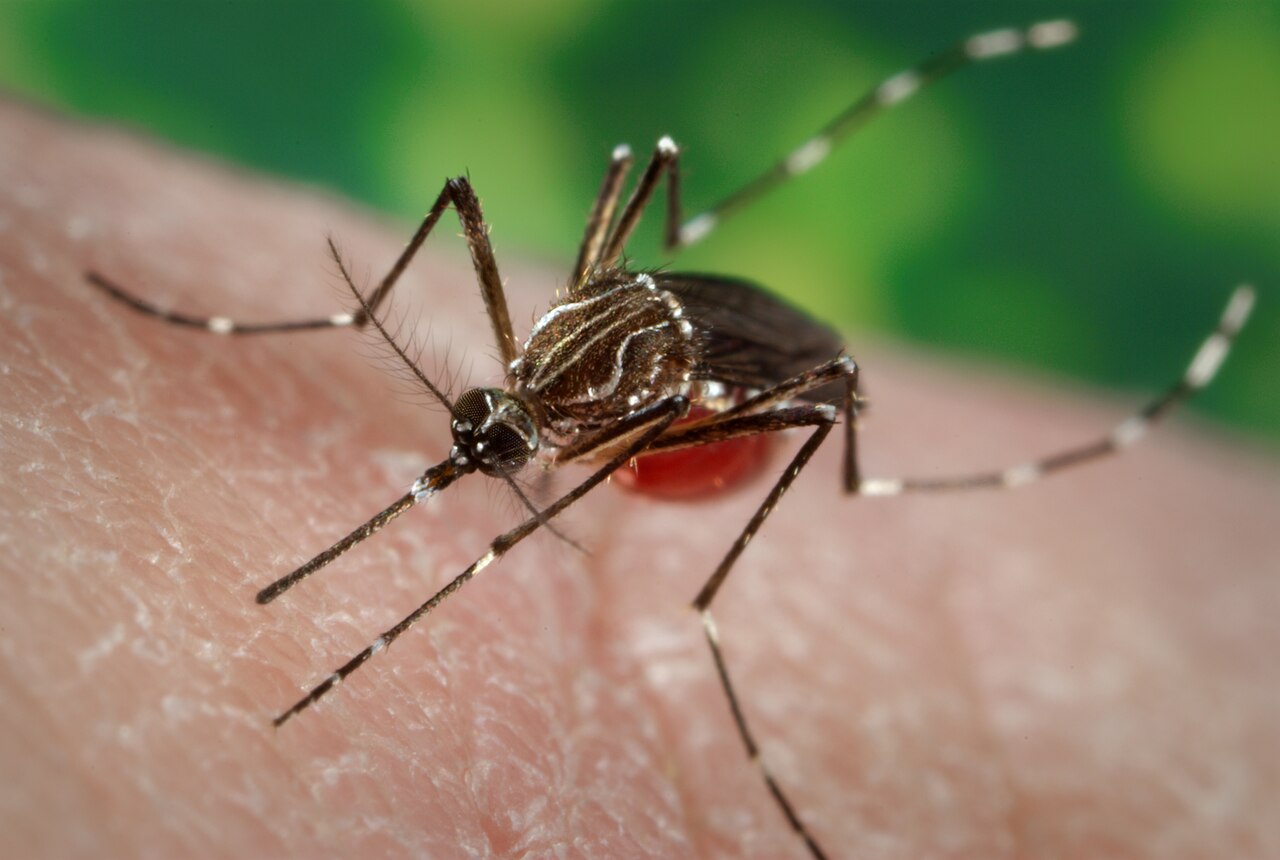 Bites at dawn and dusk. Breeds in any standing water on the property.
Black ant with pale feet. Huge outdoor colonies that trail up walls.SeasonYear-round, peaks in wet season
WhereOutdoors and indoors
RiskNuisance, large numbers
Biting midge small enough to pass through standard screen mesh.SeasonWorst March through June and after rain
WhereCoastal yards and lanais
RiskPainful bites
Bites at dawn and dusk. Breeds in any standing water on the property.SeasonHeaviest June through October
WhereYards, lanais, shaded plants
RiskBites, disease vector
Dealing with whitefly?
Call or send a request and we'll confirm your window within one business day.