
Fire ant
Solenopsis invicta
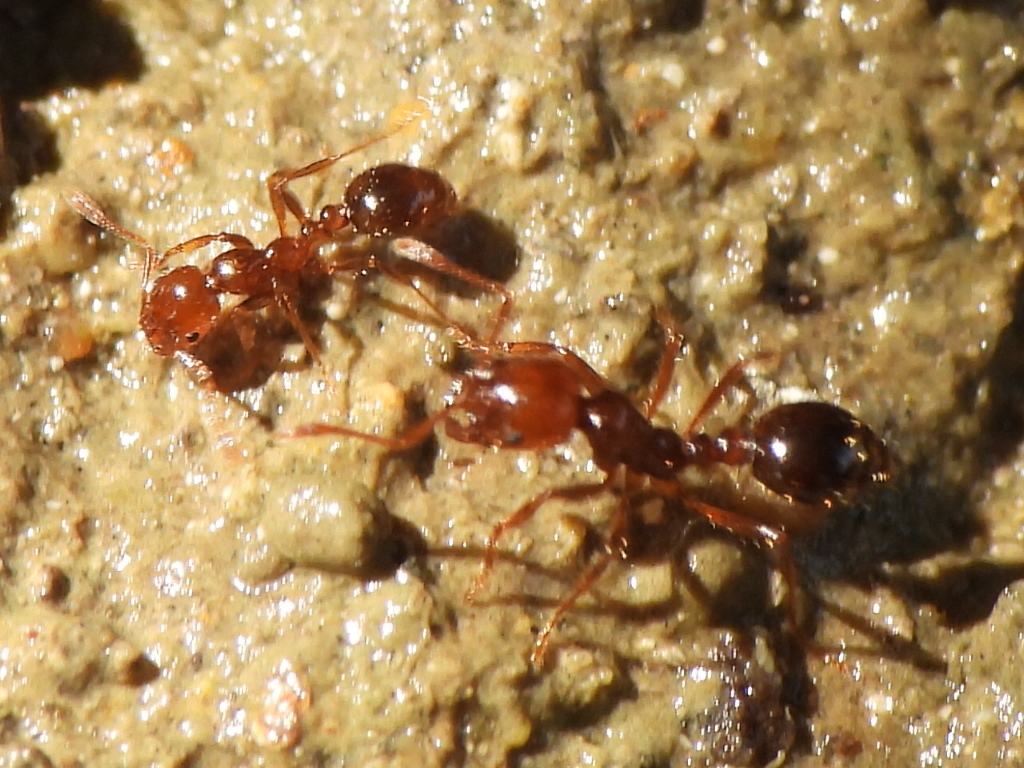
Reddish ants in loose soil mounds. Swarm and sting when disturbed.
SeasonYear-round, mounds surge after rain
WhereYards and lawns
RiskPainful stings
How to tell
- Copper-red head and thorax with a darker abdomen, in mixed sizes within one colony.
- Mounds are loose domes of worked soil with no visible central opening.
- Disturb a mound and workers pour out and climb rather than scatter.
- Stings leave a white pustule after a day, which distinguishes them from most other ant bites.
Where you'll find it
- Open sunny turf, especially along driveway and sidewalk edges.
- Around irrigation boxes and utility covers where soil stays damp.
- Under pavers and the edge of a pool deck.
Why it matters
Fire ants sting repeatedly and defend the mound as a group, which is a real problem in a yard used by children or pets. They also damage irrigation and electrical boxes by packing them with soil.
How Strike treats it
We broadcast a bait across the treated turf so foraging workers carry it back to the queen, then treat individual mounds directly for faster knockdown. Bait timing matters — it goes down when the ground is dry and ants are actively foraging. New mounds can appear from neighboring properties, so yards on a recurring plan get mound checks at each visit.
What you can do before we arrive
- Do not water the lawn for a day before and after treatment.
- Do not disturb or flood mounds — that scatters the colony into satellites.
- Flag mounds near play areas so we treat those first.
- Keep pets off treated turf until it has dried.
Related pests
Ghost antTapinoma melanocephalum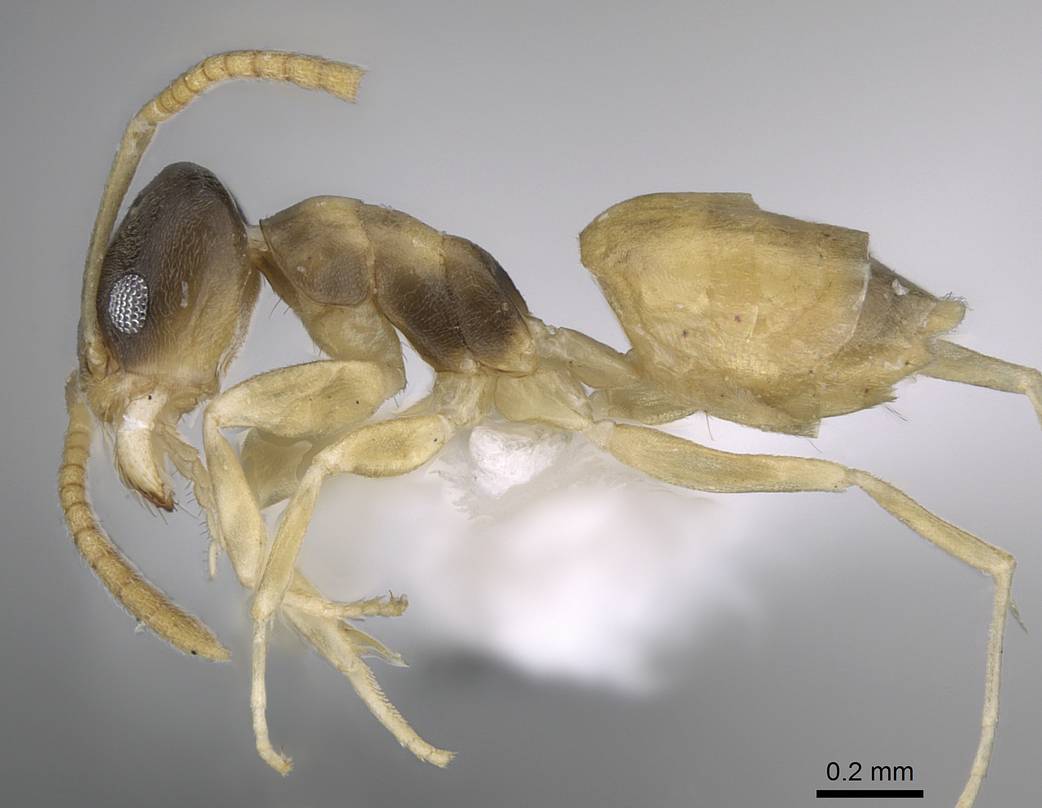 Very small and pale. Trails along counters, sinks, and baseboards.FleaCtenocephalides felis
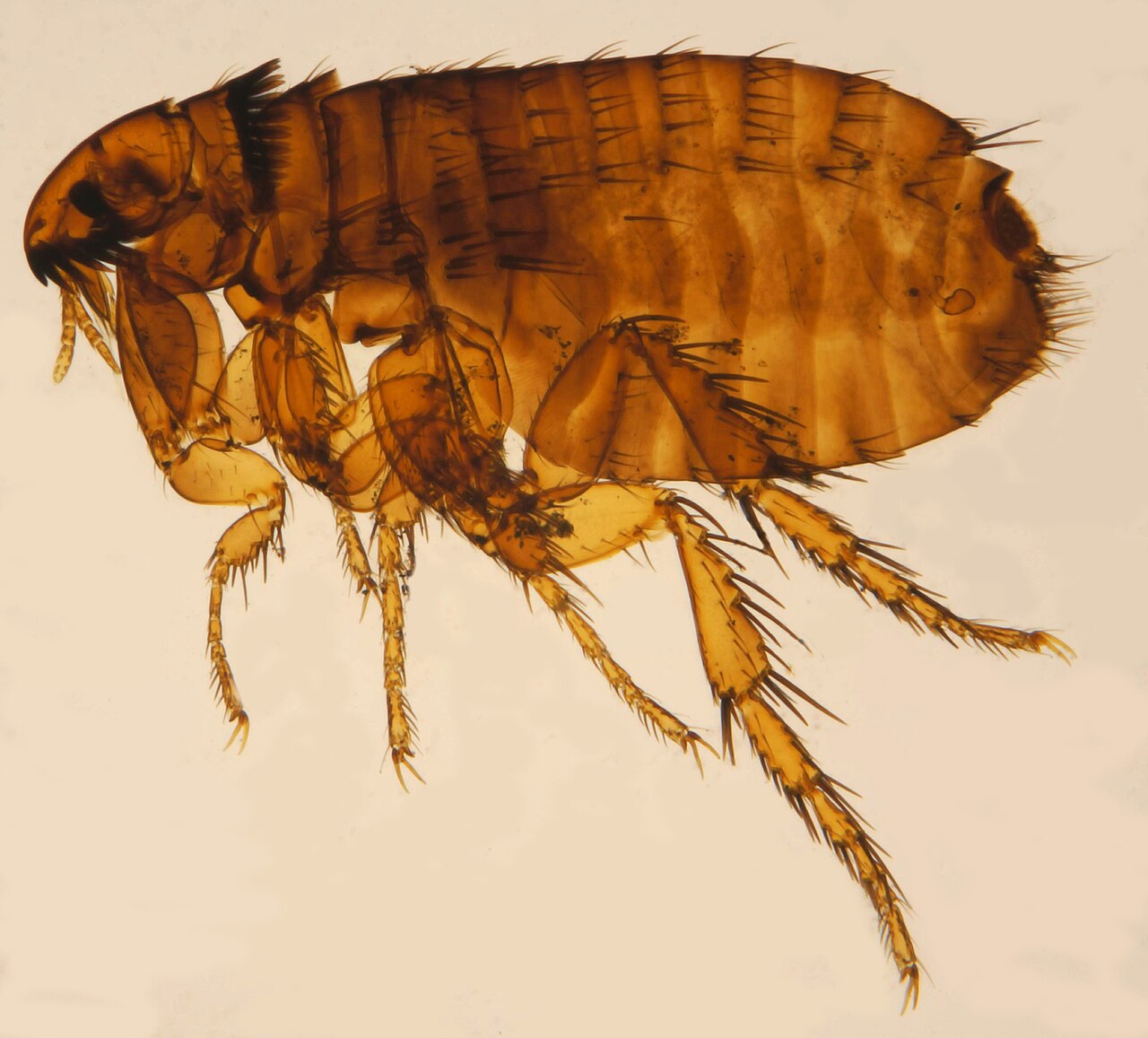 Tiny dark jumping insect. Bites ankles, lives where pets rest.TickRhipicephalus sanguineus
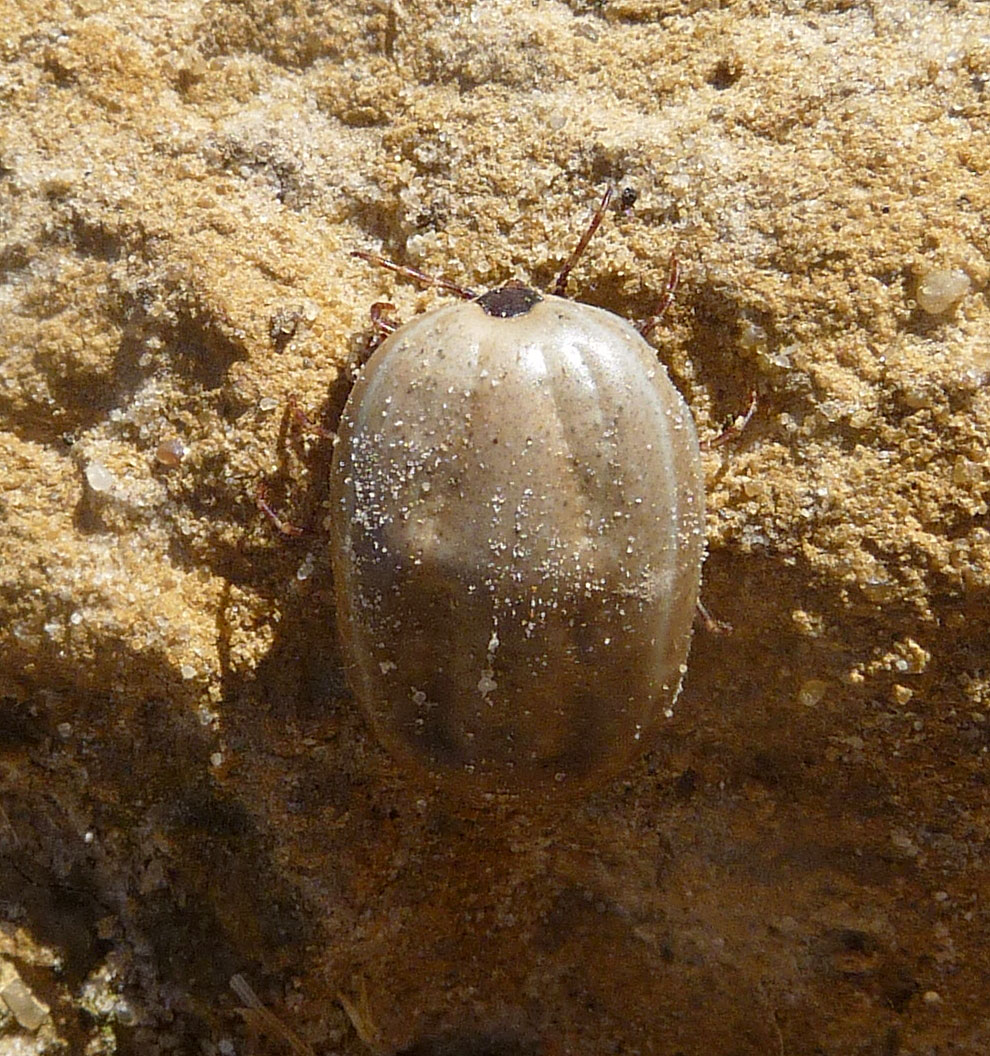 Eight-legged, flattened, attaches to pets. Found along yard edges.
Very small and pale. Trails along counters, sinks, and baseboards.SeasonYear-round
WhereIndoors
RiskFood contamination
Tiny dark jumping insect. Bites ankles, lives where pets rest.SeasonYear-round, peaks in wet season
WhereCarpet, bedding, shaded yard
RiskBites, pet irritation
Eight-legged, flattened, attaches to pets. Found along yard edges.SeasonSpring through fall
WhereYard edges, kennels
RiskBites, disease vector
Dealing with fire ant?
Call or send a request and we'll confirm your window within one business day.