

Termites don't wait for spring.
Inspection, treatment, and yearly monitoring.
What this covers
Tap a pest for identification details and what treatment looks like.
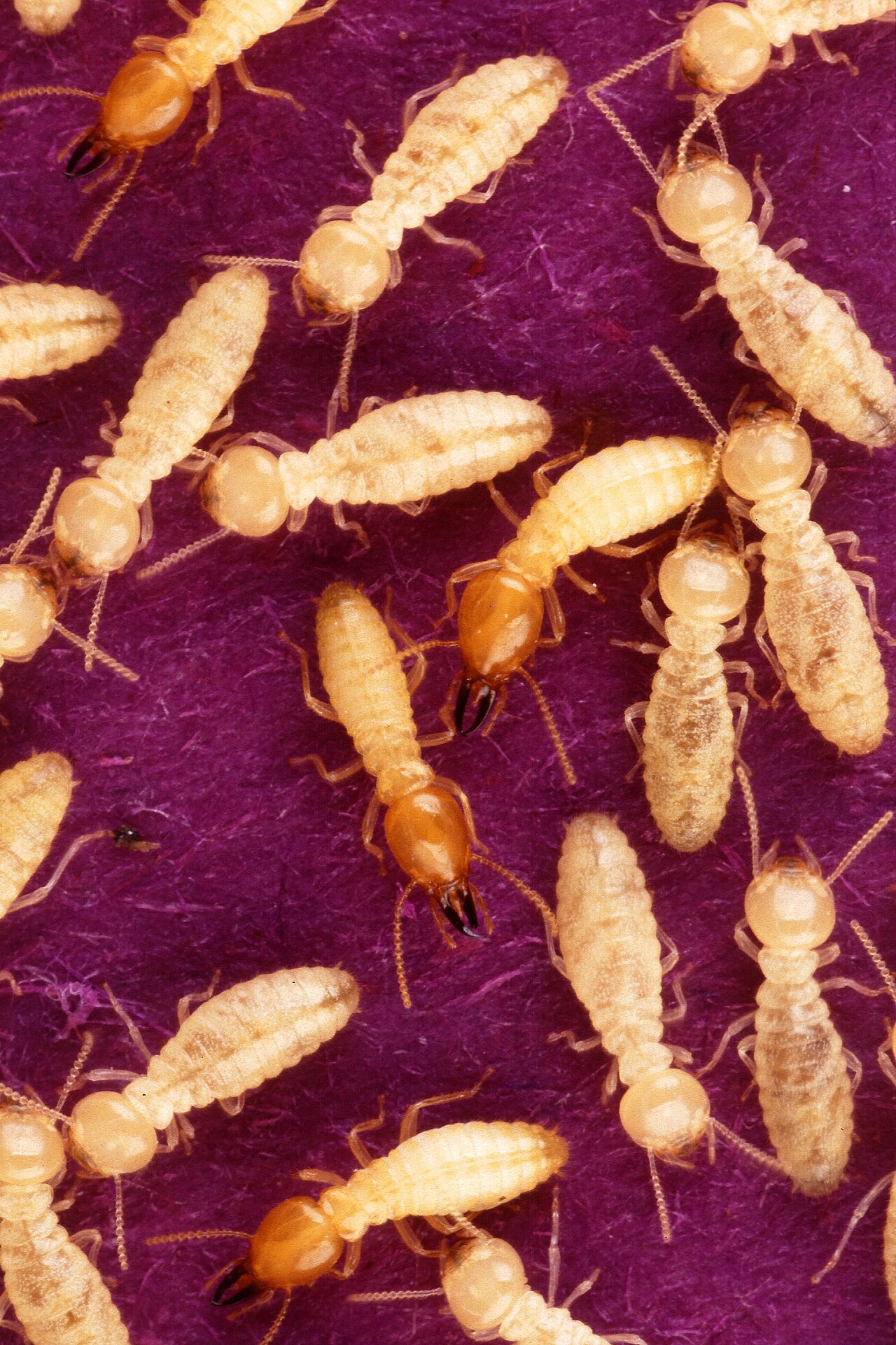 Builds mud tubes from soil to wood. Swarms in spring evenings.
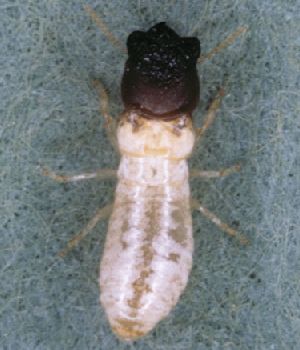 Lives inside dry wood. Pushes out small hard pellets, no soil contact.
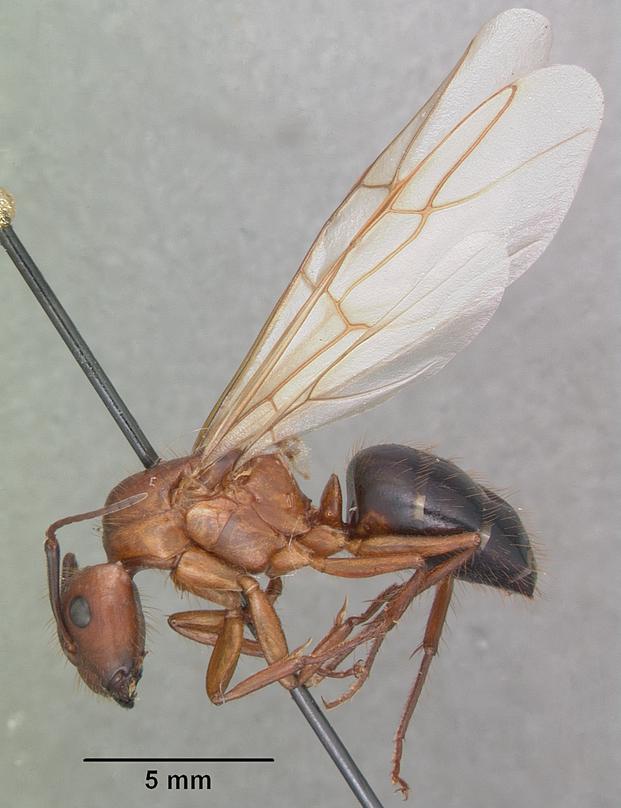 Large ant, active at night. Hollows out damp wood to nest.
How the treatment works.
- 01InspectionWe check the slab line, plumbing penetrations, garage, attic, and accessible framing for mud tubes, frass, and damaged wood. Findings and locations are documented in writing.
- 02TreatmentSubterranean activity is addressed with a soil-applied treatment or an in-ground monitoring and baiting system. Drywood activity is treated by targeted gallery injection where it is localized.
- 03MonitoringStations and treated areas are checked on a set schedule, and swarm season gets a re-inspection. You get a written record of each check.
What's included and what isn't
Included
- Written inspection of accessible areas
- Photo documentation of active areas
- Subterranean soil treatment or in-ground baiting
- Targeted treatment of localized drywood activity
- Scheduled monitoring visits
- Re-inspection during swarm season
Not included
- Repair of damaged structural wood
- Moisture, roofing, or plumbing repairs
- Inaccessible or concealed areas we cannot safely reach
- Fumigation scope and terms — quoted separately in writing
- Bond and warranty terms — owner-supplied, see your written agreement
- General pest, mosquito, or rodent service
Recommended plan
The baseline for most single-family homes away from heavy pressure. Pricing is confirmed in writing after the inspection.
Quarterly
Four visits a year
$--
Starting price placeholder — ask us for a written quote.
- Exterior perimeter and eaves every visit
- Interior treatment where activity is found
- Ants, roaches, spiders, silverfish
- Re-service between visits on request
Seasonality in Southwest Florida
Subterranean swarms run from February into June, usually on a humid evening after rain, and that is when most homeowners first find wings on a windowsill. Drywood swarms run later, roughly April through November, and appear indoors at night. Homes near canals and heavily irrigated lots hold soil moisture year-round, so activity here is not limited to swarm season.
Book termite control.
Call or send a request and we'll confirm your window within one business day.