
No-see-um
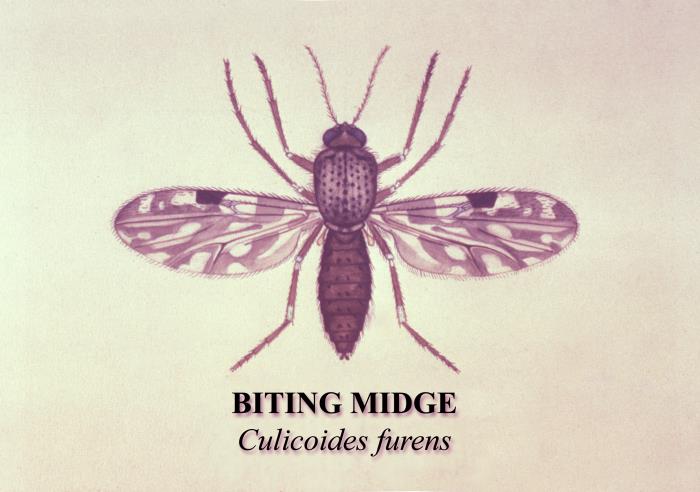
Culicoides furens
Biting midge small enough to pass through standard screen mesh.
How to tell
- 1 to 3 mm — you feel the bite before you see the insect.
- Wings have a mottled grey pattern visible under magnification.
- Peak activity is the hour around sunrise and sunset, and they drop off in wind.
- They pass through standard 18/16 screen; only fine no-see-um mesh stops them.
Where you'll find it
- Mangrove edges, tidal flats, and the salt marsh side of the property.
- Screened lanais on barrier islands and near canals.
- Damp, low ground and irrigation-soaked beds.
Why it matters
No-see-ums breed in tidal and damp soil rather than in standing water, so the source is often off the property entirely. That makes the treatment approach different from mosquito work, and honest expectations matter.
How Strike treats it
We treat the resting vegetation and lanai surfaces with a residual on a schedule tied to the tide and rain cycle, and we are straightforward that coastal properties get reduction rather than elimination. Where the lanai is the problem, replacing standard screen with fine no-see-um mesh does more than any product. We combine yard treatment with fan and lighting recommendations for the hours they are active. Service is monthly during the peak months.
What you can do before we arrive
- Note the exact hours you are being bitten.
- Check whether your lanai screen is standard mesh or fine no-see-um mesh.
- Trim dense low vegetation near seating areas.
- Plan outdoor time away from the sunrise and sunset windows during peak season.
Related pests
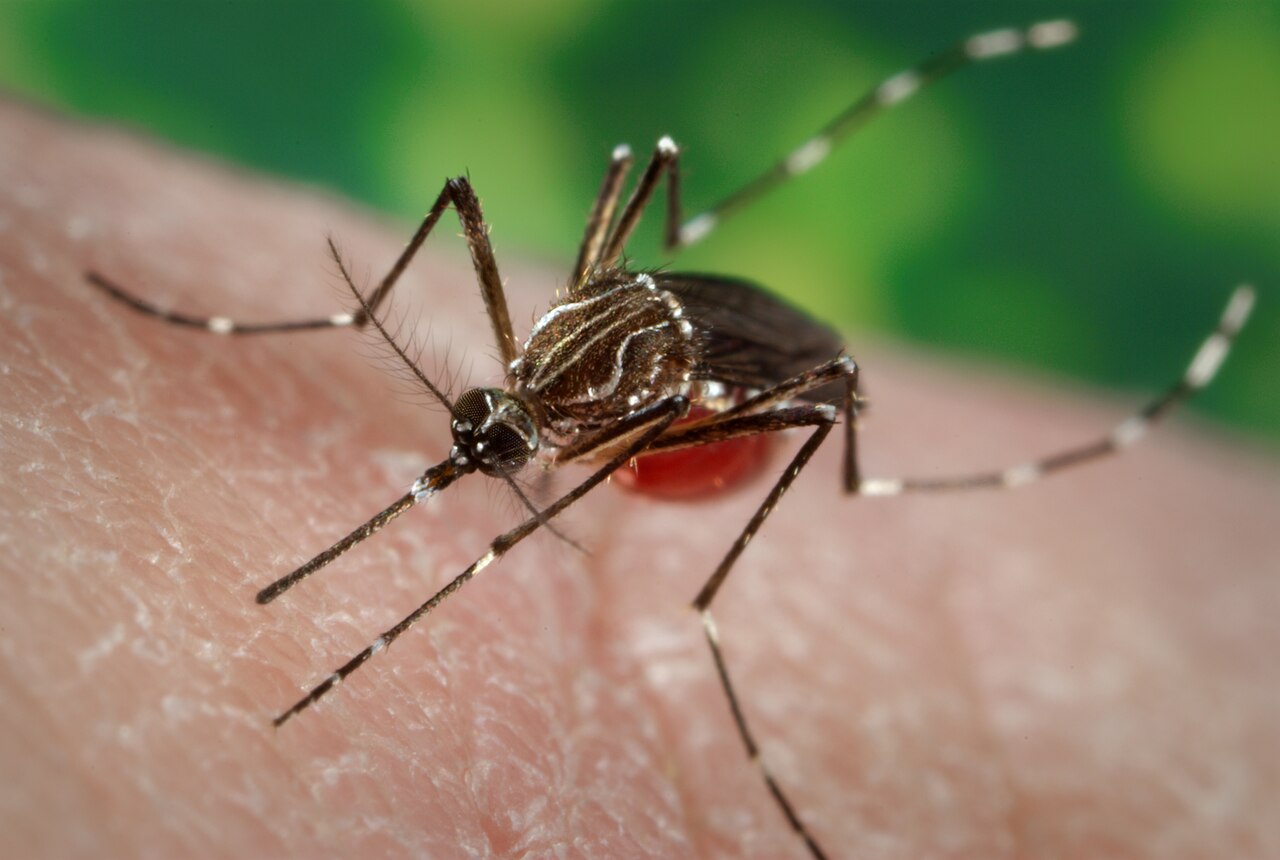 Bites at dawn and dusk. Breeds in any standing water on the property.
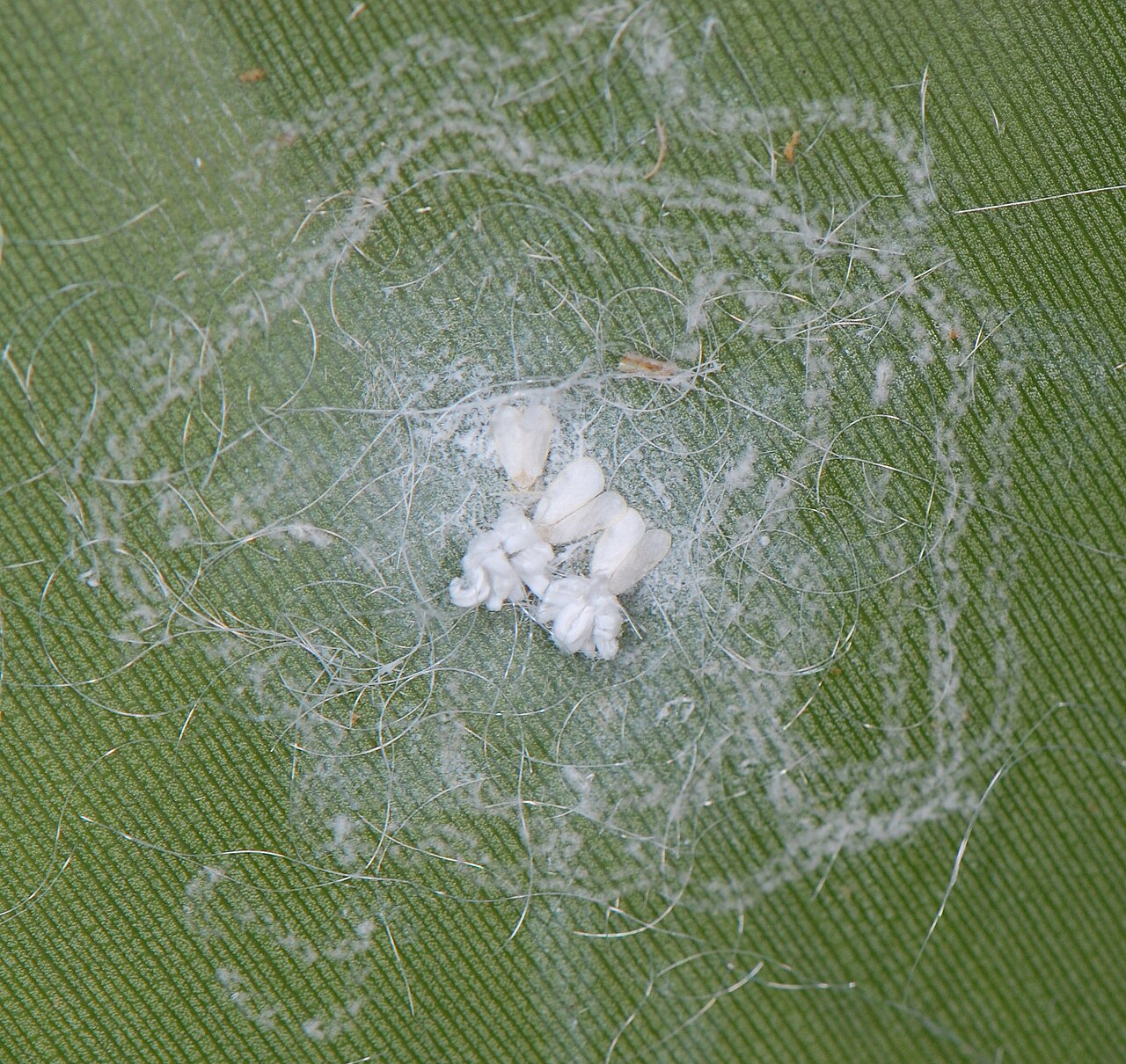 Tiny white flies under ficus leaves. Leaves sticky residue and sooty mold.
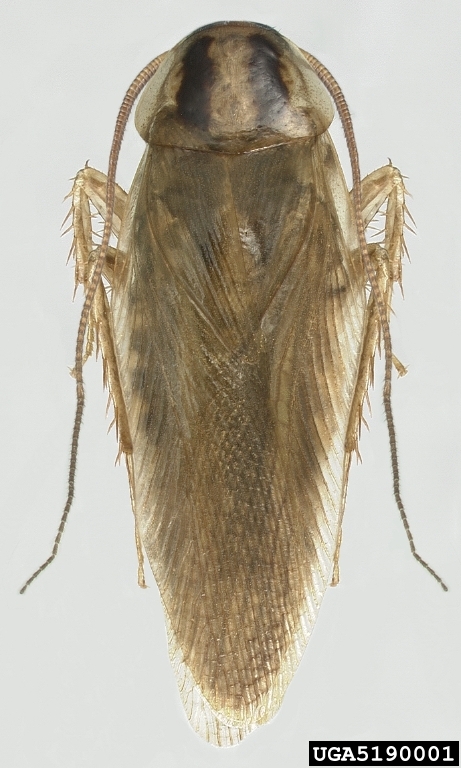 Looks like a German roach but flies to lights at dusk from the lawn.
Dealing with no-see-um?
Call or send a request and we'll confirm your window within one business day.