
Silverfish
Lepisma saccharina
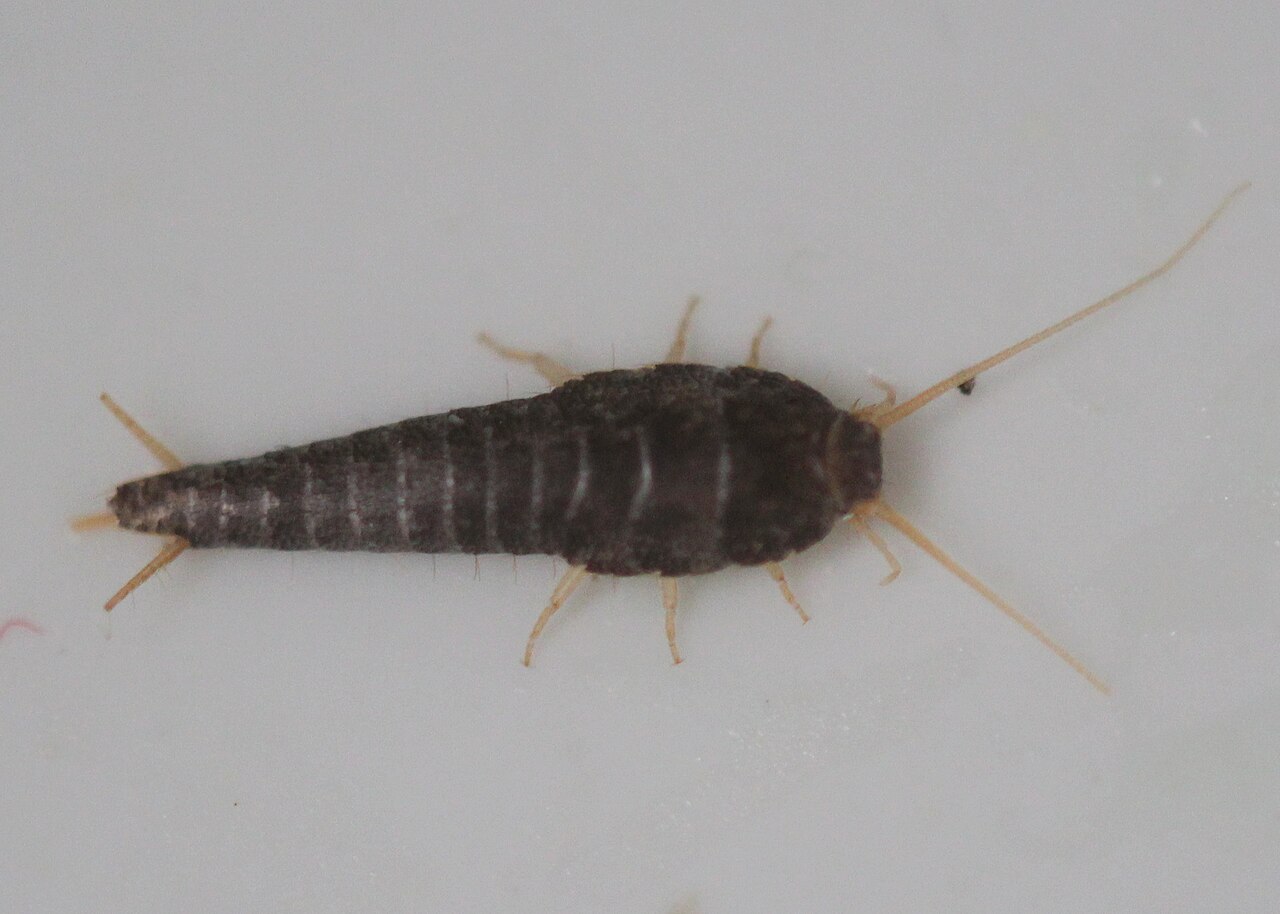
Teardrop-shaped, silvery, fast. Feeds on paper, starch, and glue.
SeasonYear-round
WhereBathrooms, closets, boxes
RiskDamage to paper and fabric
How to tell
- 10 to 12 mm, metallic silver-grey, tapering from head to tail with three tail filaments.
- Moves in a quick fish-like wriggle across a floor or a tub.
- Damage looks like irregular grazing on paper, wallpaper seams, and book bindings.
- Firebrats look similar but are mottled and prefer hot areas like attics and water heater closets.
Where you'll find it
- Bathrooms, under the sink, and inside the linen closet.
- Stored cardboard boxes in a garage or attic.
- Behind wallpaper and along baseboards in humid rooms.
Why it matters
Silverfish feed on starches — paper, glue, and some fabrics — so the damage lands on stored documents, books, and photographs. Their presence is usually a humidity signal worth acting on for the house's sake.
How Strike treats it
We treat the harborage cracks and voids in the affected rooms and address the humidity source, since silverfish do not persist in dry conditions. Attic and closet work uses targeted dusts in voids rather than surface spraying. We recommend moving stored paper into sealed plastic bins, which removes both the food and the shelter. A follow-up confirms the population dropped.
What you can do before we arrive
- Move stored paper and cardboard into sealed plastic bins.
- Run the bathroom exhaust fan during and after showers.
- Clear the floor of closets in the affected rooms.
- Note any room that feels persistently humid.
Related pests
German cockroachBlattella germanica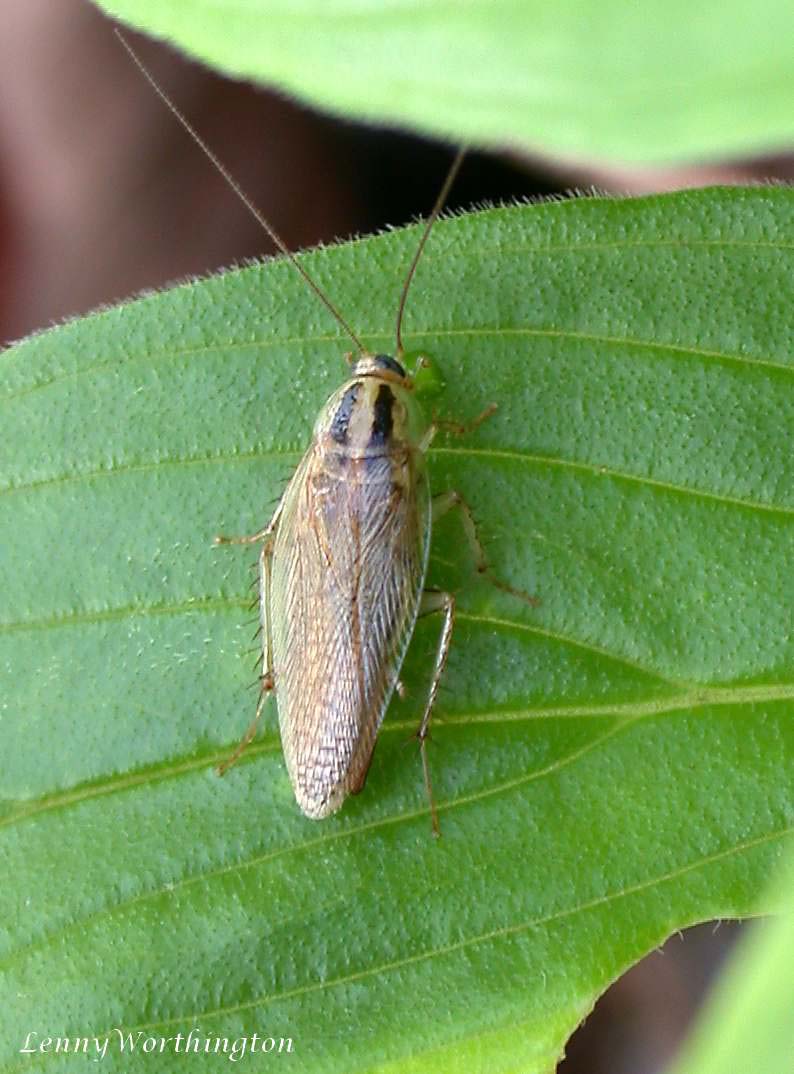 Small tan roach with two dark stripes. Breeds indoors, fast.SpiderAraneae
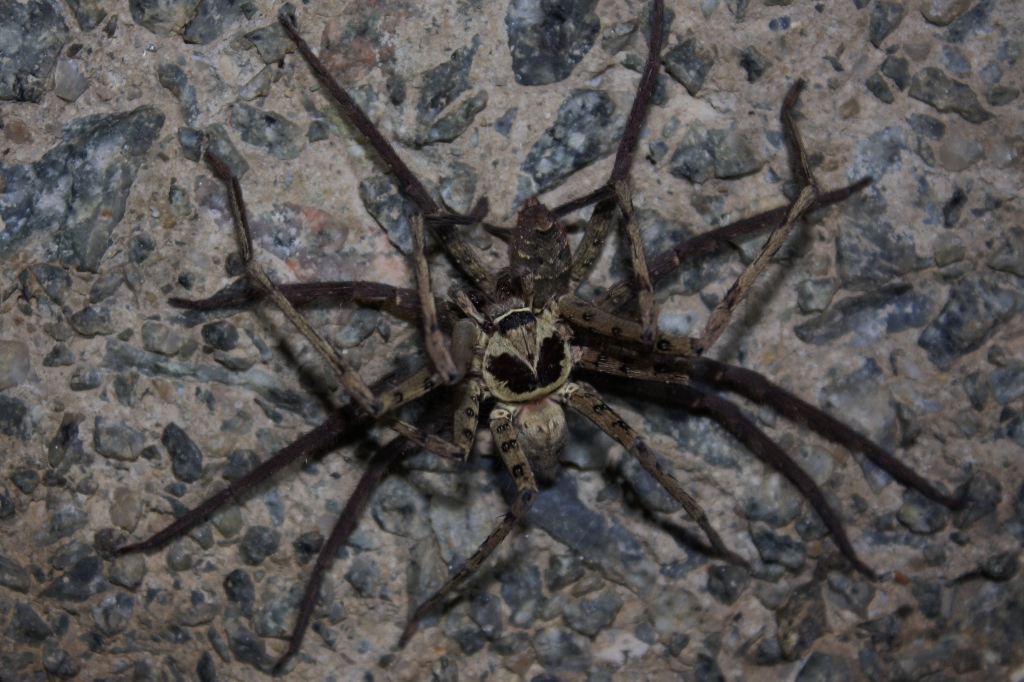 Most local species are harmless web builders around lights and eaves.House mouseMus musculus
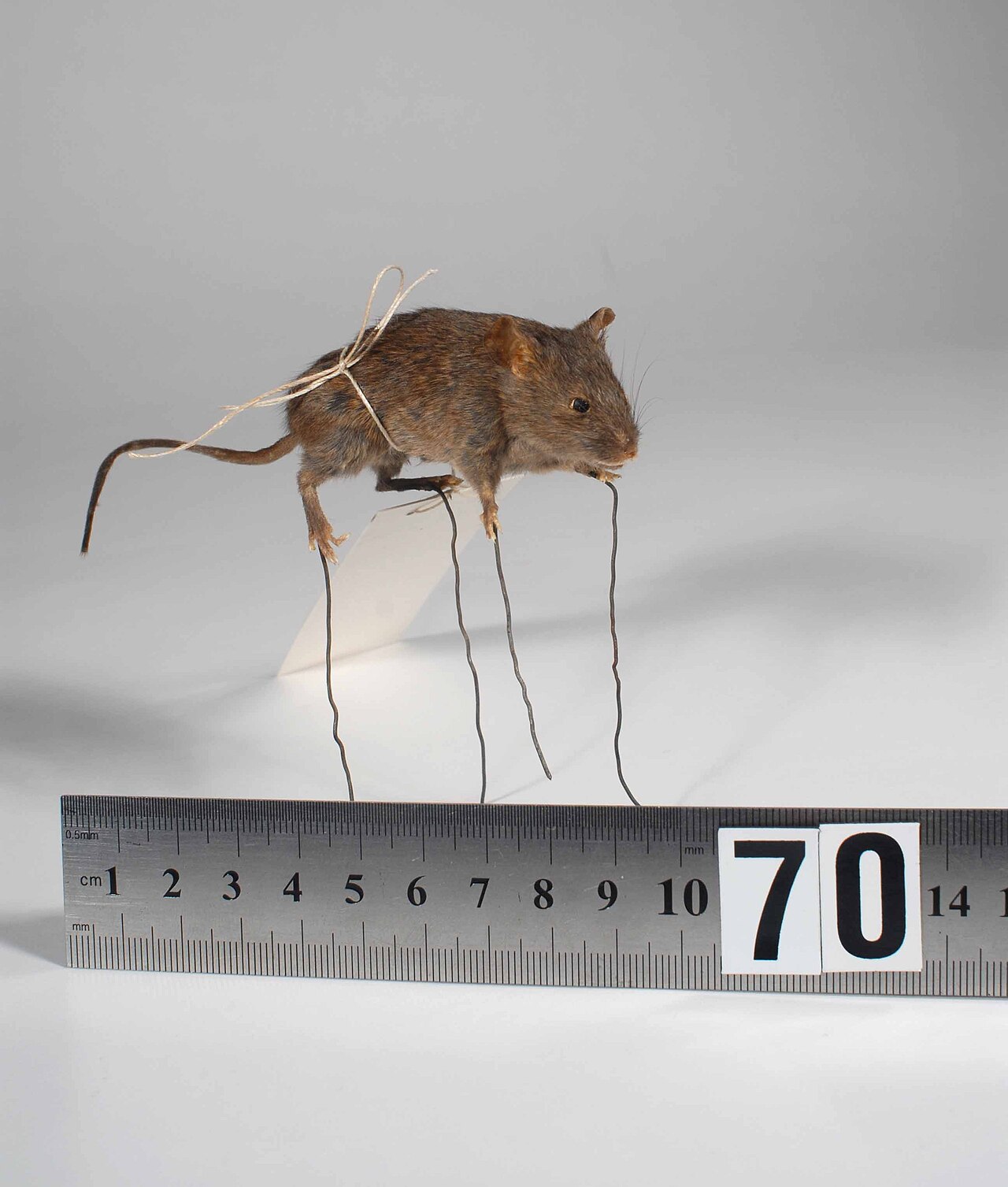 Small grey-brown mouse. Nests in garages, pantries, and wall voids.
Small tan roach with two dark stripes. Breeds indoors, fast.SeasonYear-round
WhereKitchens and bathrooms
RiskFood contamination, allergens
Most local species are harmless web builders around lights and eaves.SeasonYear-round
WhereEaves, lanais, garages
RiskMostly harmless, some bite
Small grey-brown mouse. Nests in garages, pantries, and wall voids.SeasonYear-round
WhereGarages, pantries, voids
RiskContamination, wire damage
Dealing with silverfish?
Call or send a request and we'll confirm your window within one business day.