
House mouse
Mus musculus
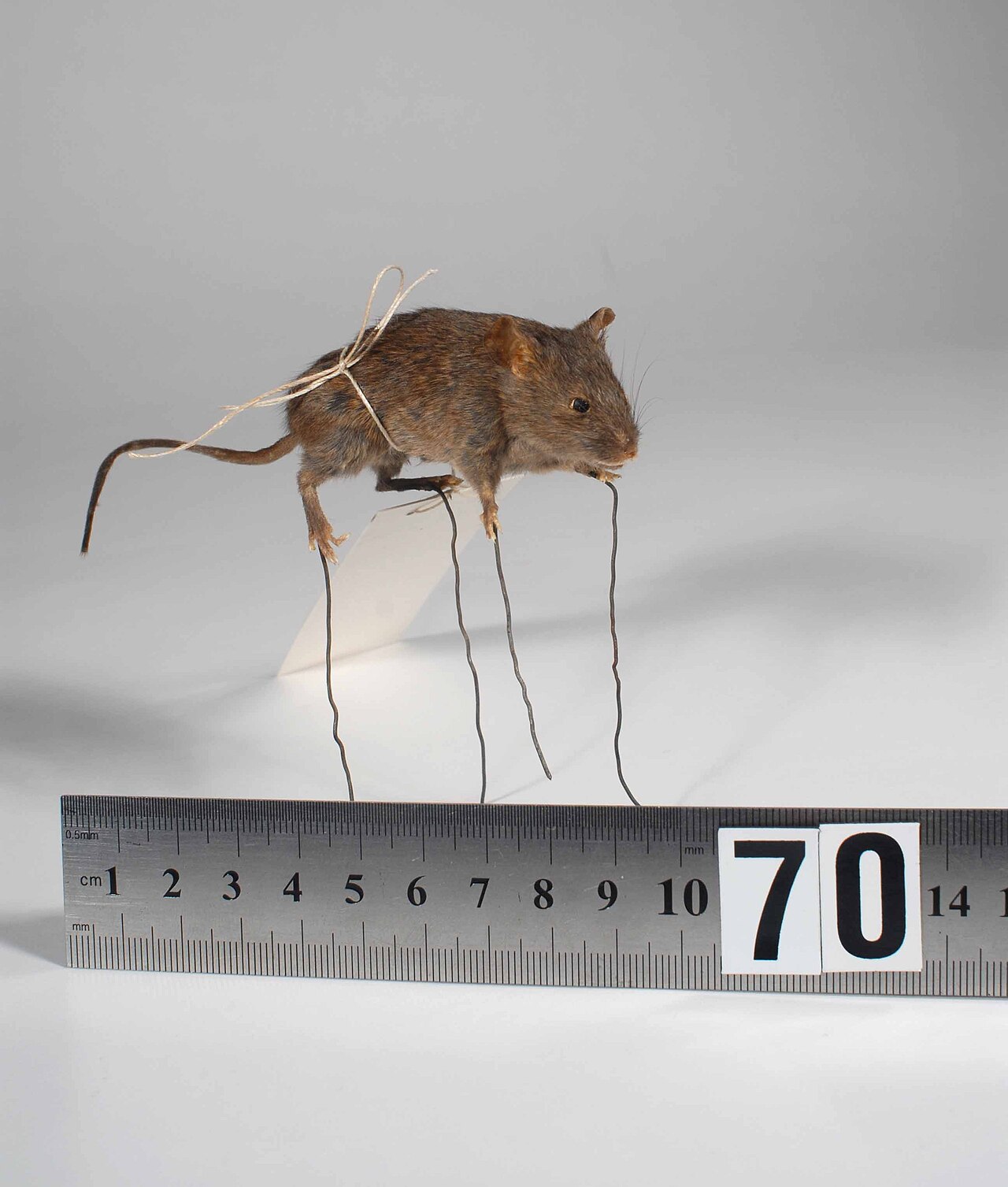
Small grey-brown mouse. Nests in garages, pantries, and wall voids.
SeasonYear-round
WhereGarages, pantries, voids
RiskContamination, wire damage
How to tell
- Adults are 7 to 10 cm in the body with a tail about the same length again.
- Droppings are 3 to 6 mm, dark and rod-shaped, scattered along travel routes.
- A mouse can pass through a gap the width of a pencil.
- Young roof rats are often mistaken for mice — the giveaway is the disproportionately large feet and head on a juvenile rat.
Where you'll find it
- Garage shelving, stored boxes, and behind the water heater.
- Pantry shelves and the void behind the dishwasher.
- Where AC line sets and plumbing pass through the exterior wall.
Why it matters
Mice contaminate stored food and shred packaging and insulation for nesting, and a small entry gap means a steady resupply from outside. They also chew wiring in walls and vehicles.
How Strike treats it
We inspect the interior and the exterior wall line, set traps at the runways, and seal every gap we find — including the ones behind the AC line set and under the garage door corners. Exclusion is what ends it; trapping only clears what is already inside. We come back to check traps and confirm the seal held. Sanitation of the affected area is discussed at the same visit.
What you can do before we arrive
- Move stored boxes off the garage floor and away from the walls.
- Store pet food and birdseed in hard sealed containers.
- Note where the droppings are heaviest.
- Check that the garage door bottom seal touches the slab at both corners.
Related pests
Roof ratRattus rattus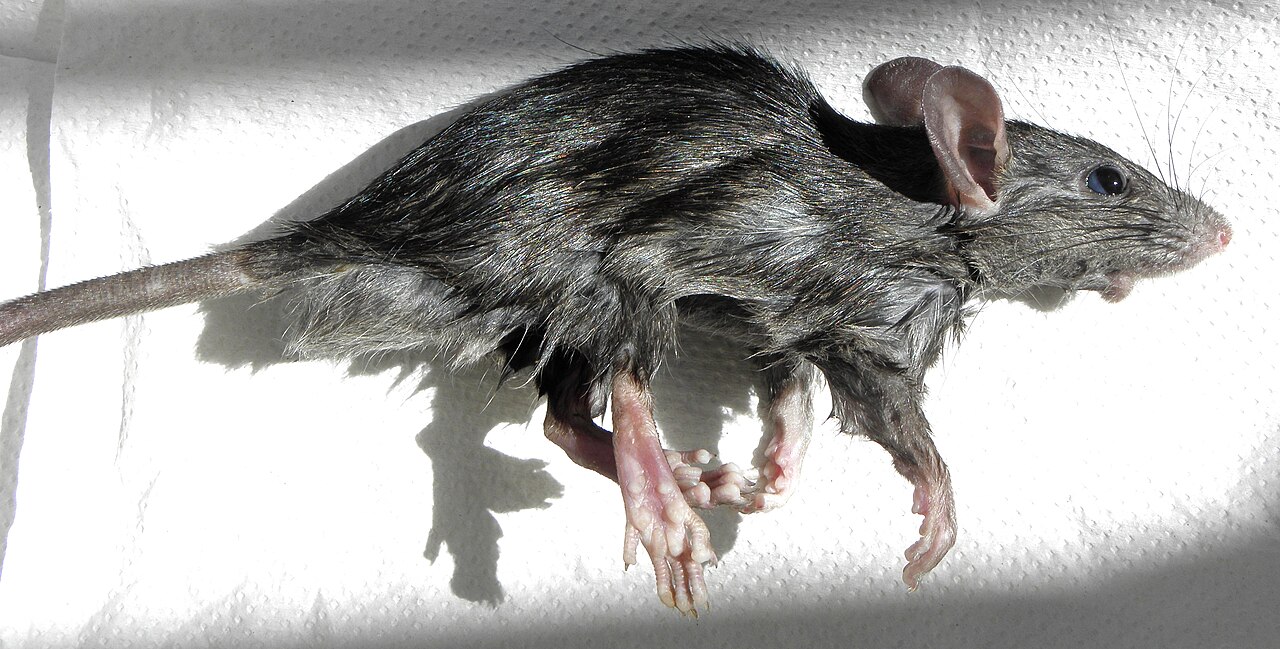 Slim climbing rat. Runs the roofline and nests in attics and palms.German cockroachBlattella germanica
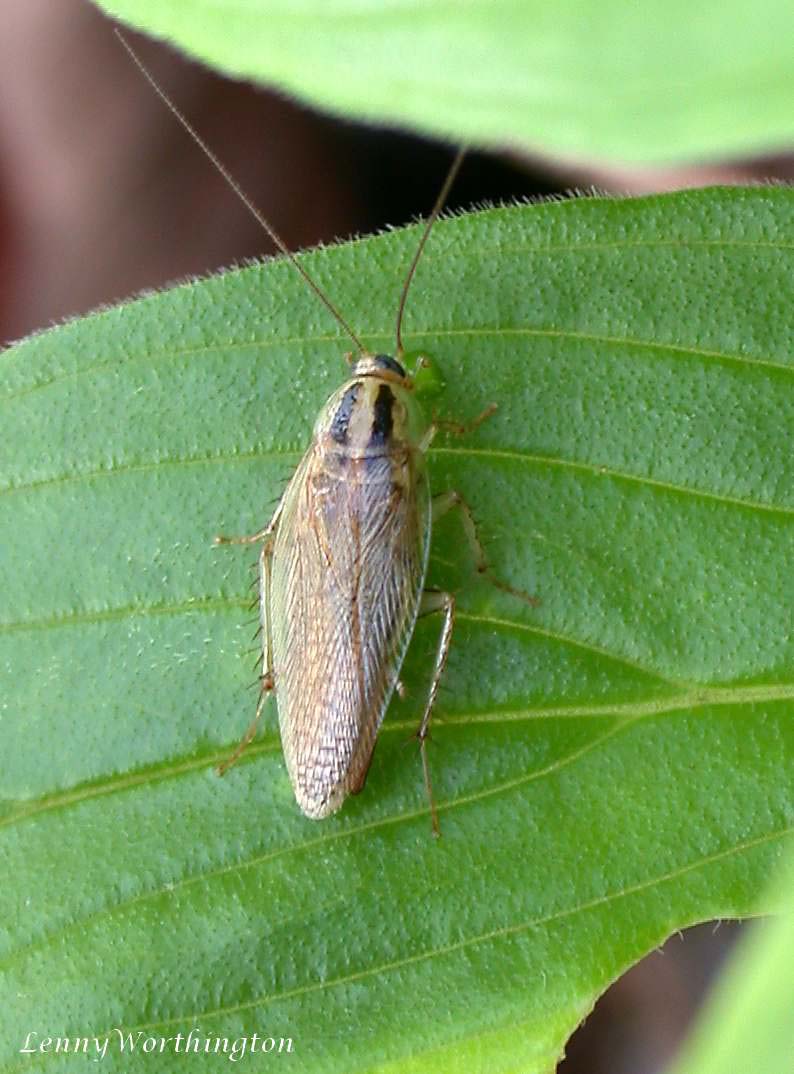 Small tan roach with two dark stripes. Breeds indoors, fast.SilverfishLepisma saccharina
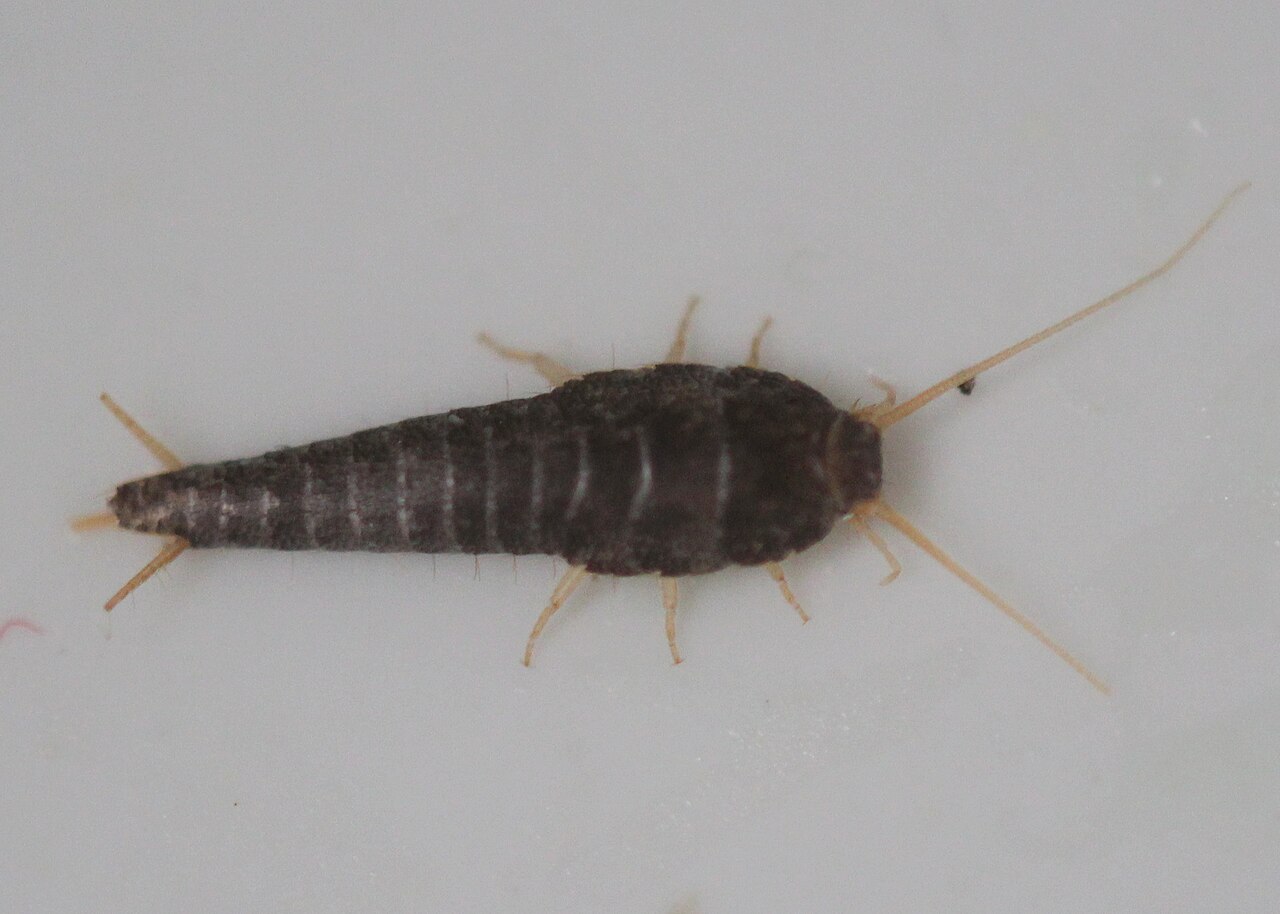 Teardrop-shaped, silvery, fast. Feeds on paper, starch, and glue.
Slim climbing rat. Runs the roofline and nests in attics and palms.SeasonYear-round, moves indoors in cooler months
WhereAttics, soffits, palms
RiskWire damage, contamination
Small tan roach with two dark stripes. Breeds indoors, fast.SeasonYear-round
WhereKitchens and bathrooms
RiskFood contamination, allergens
Teardrop-shaped, silvery, fast. Feeds on paper, starch, and glue.SeasonYear-round
WhereBathrooms, closets, boxes
RiskDamage to paper and fabric
Dealing with house mouse?
Call or send a request and we'll confirm your window within one business day.