
Roof rat
Rattus rattus
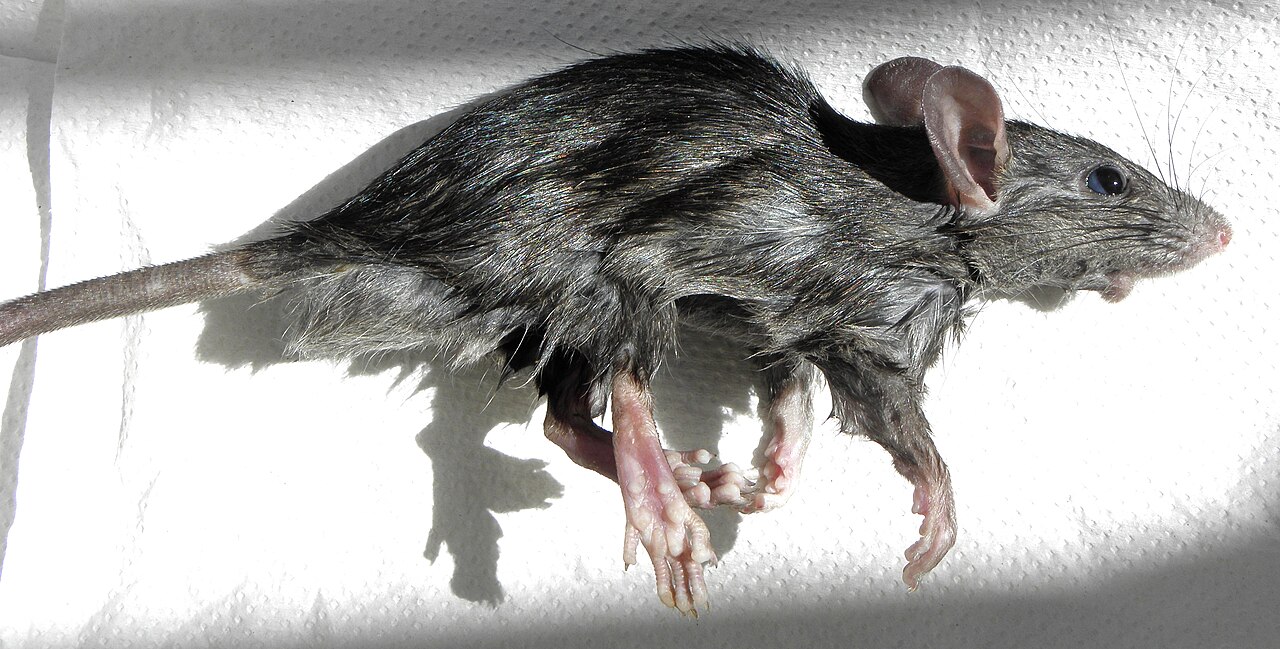
Slim climbing rat. Runs the roofline and nests in attics and palms.
SeasonYear-round, moves indoors in cooler months
WhereAttics, soffits, palms
RiskWire damage, contamination
How to tell
- Slim body with a tail longer than the head and body combined, and large thin ears.
- Droppings are 12 mm with pointed ends, found along rafters and on top of insulation.
- Sound comes from the ceiling at dusk and again before dawn — they are climbers, not floor dwellers.
- Greasy rub marks along soffit edges and roof returns mark the travel route.
Where you'll find it
- Attic insulation, especially near the soffit vents.
- Palm crowns and fruit trees whose fronds touch the roof.
- Gaps at roof returns, dormer junctions, and where a cable enters the wall.
Why it matters
Roof rats chew wiring and irrigation lines, contaminate insulation, and reproduce quickly once they are established in an attic. They also carry ectoparasites into the structure.
How Strike treats it
Trapping and exclusion together, in that order, and never bait alone in a living space. We inspect the roofline and attic to find every entry point, set traps in the active runways, and then seal the openings with material rats cannot chew. We return to clear traps and confirm the attic is quiet before the exclusion is signed off. Trimming palms and branches back from the roof is part of the plan.
What you can do before we arrive
- Note the times of night you hear activity, and which room it is over.
- Trim any frond or branch within six feet of the roof.
- Pick up fallen fruit and secure garbage can lids.
- Do not put out store-bought bait — a rat dying in a wall is a worse problem.
Related pests
House mouseMus musculus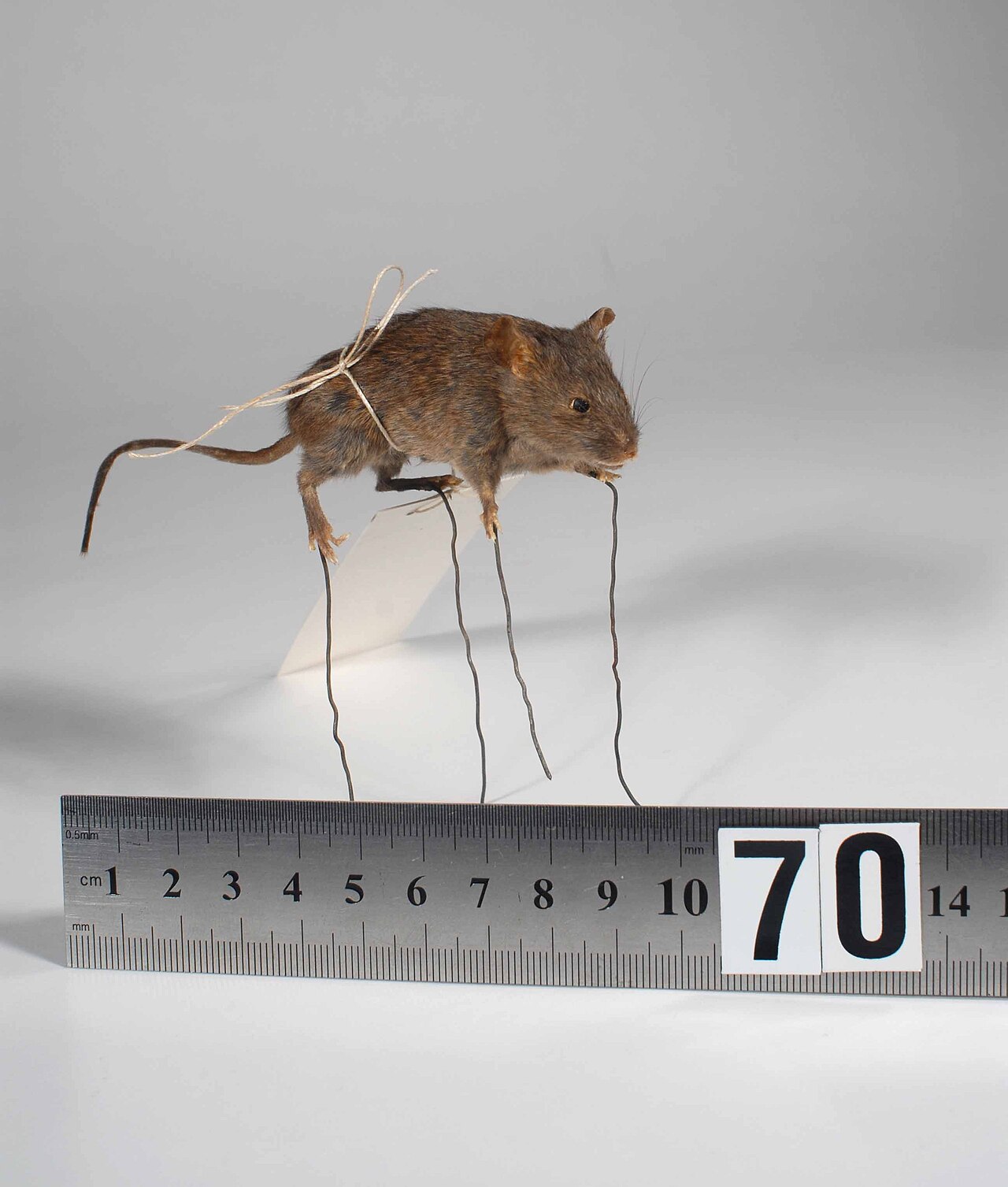 Small grey-brown mouse. Nests in garages, pantries, and wall voids.Green iguanaIguana iguana
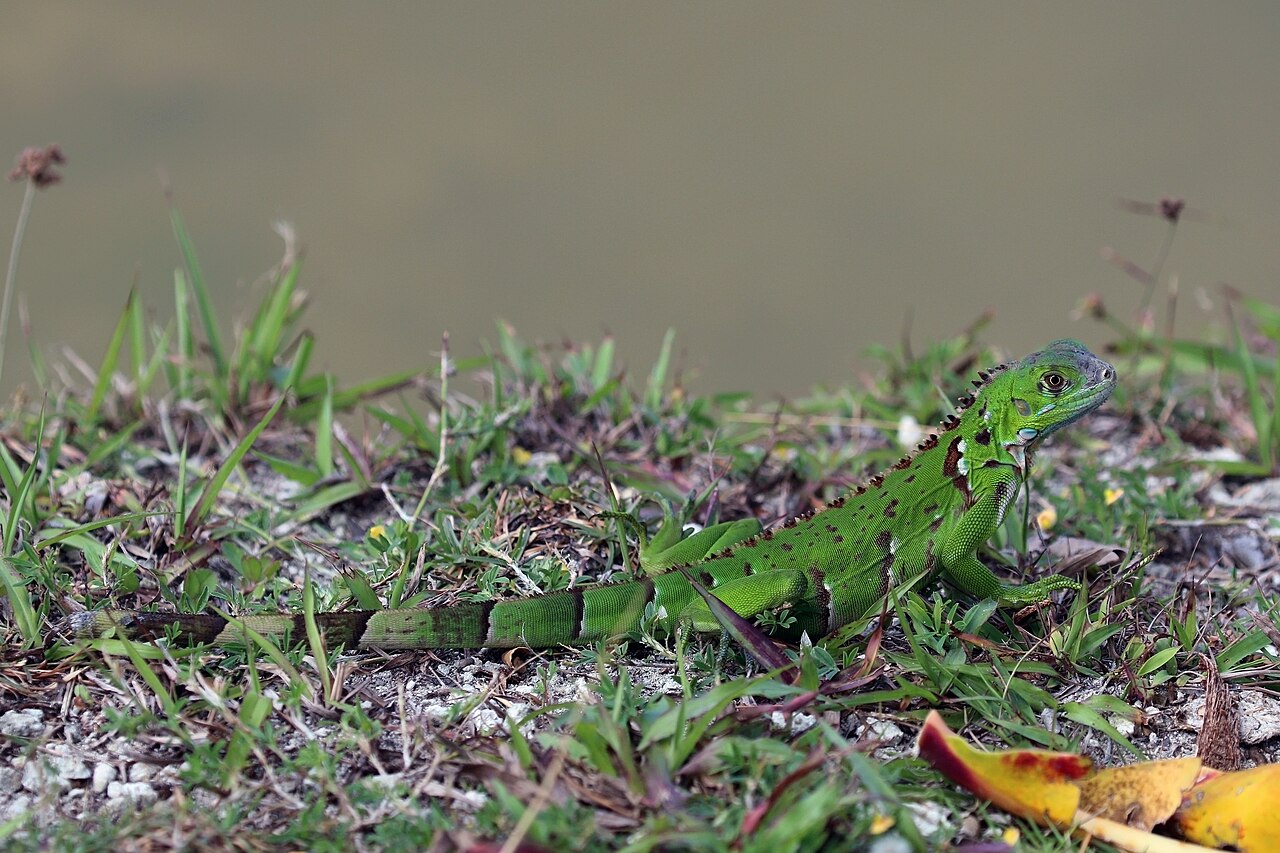 Large non-native lizard. Burrows in canal banks and basks on seawalls.American cockroachPeriplaneta americana
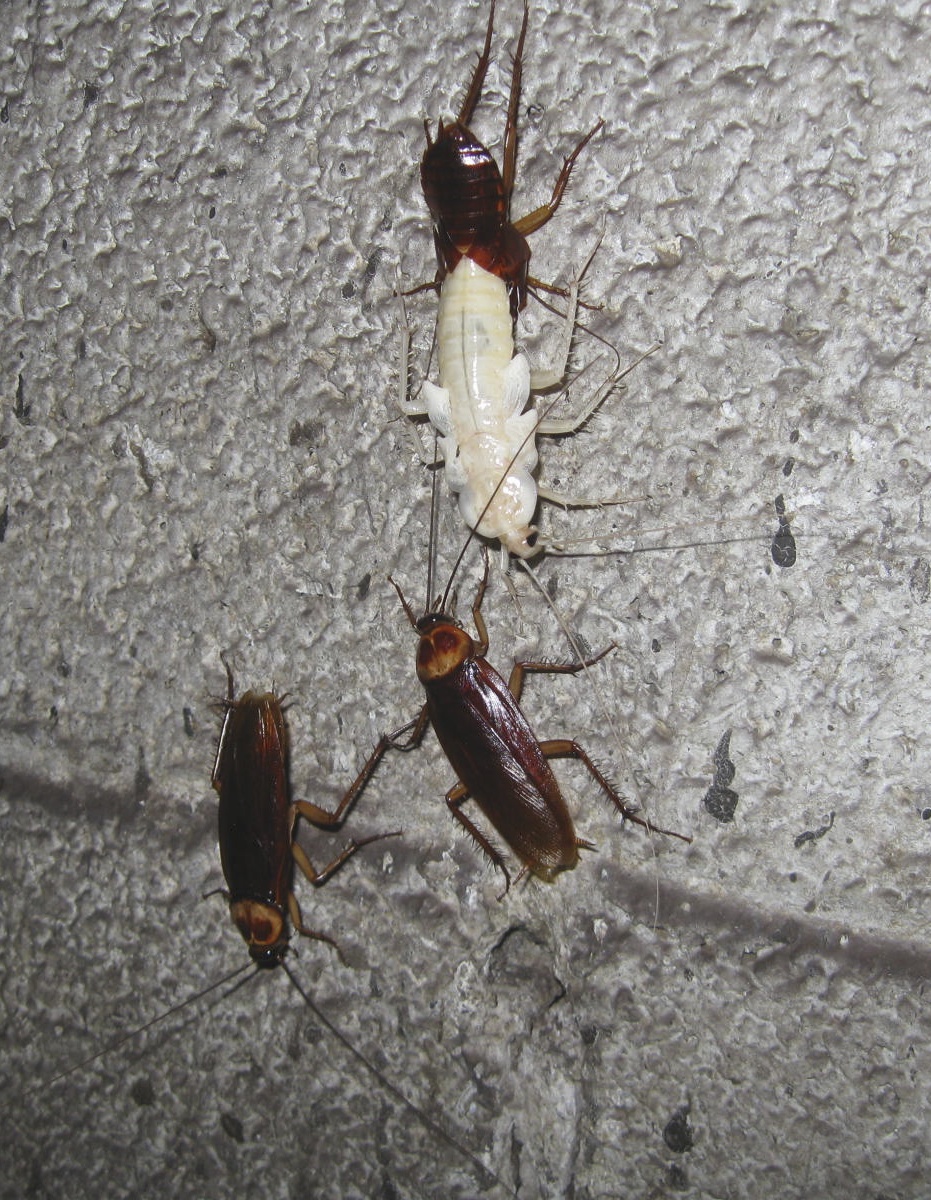 The big reddish-brown roach locals call a palmetto bug. Comes in from outside.
Small grey-brown mouse. Nests in garages, pantries, and wall voids.SeasonYear-round
WhereGarages, pantries, voids
RiskContamination, wire damage
Large non-native lizard. Burrows in canal banks and basks on seawalls.SeasonYear-round, most active in warm months
WhereCanal banks, seawalls, yards
RiskBurrow and landscape damage
The big reddish-brown roach locals call a palmetto bug. Comes in from outside.SeasonYear-round, worst in wet season
WhereDrains, garages, attics
RiskFood contamination
Dealing with roof rat?
Call or send a request and we'll confirm your window within one business day.