
Green iguana
Iguana iguana
Large non-native lizard. Burrows in canal banks and basks on seawalls.
How to tell
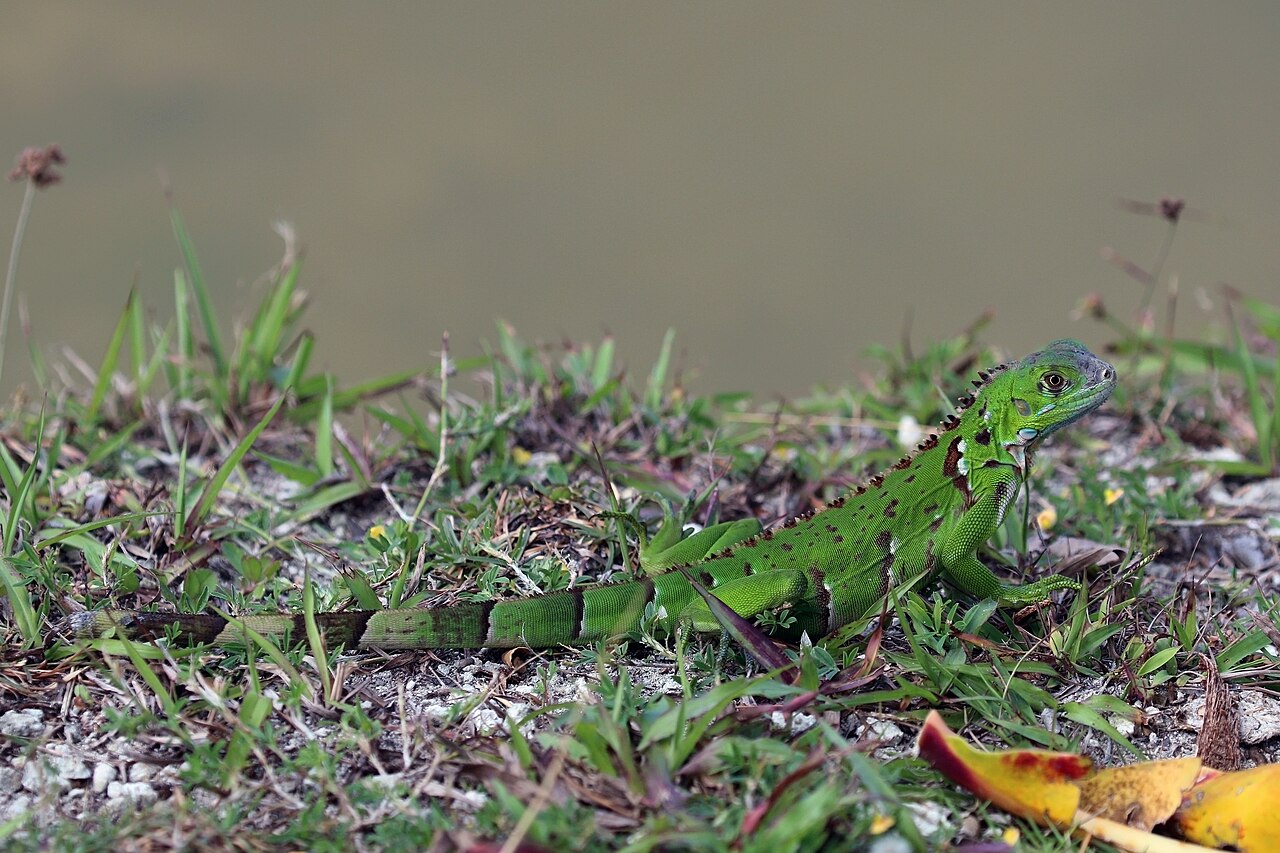
- Adults reach 1.5 metres including the tail, with a row of spines down the back and a large throat fan.
- Colour ranges from bright green in juveniles to grey-orange in mature males.
- Burrow openings 15 to 25 cm wide appear along seawalls, canal banks, and under pool decks.
- Droppings on the pool deck and dock are usually the first thing people notice.
Where you'll find it
- Canal banks and seawalls in Cape Coral and Collier canal communities.
- Under pool decks, docks, and concrete patios where they burrow.
- Fruit trees, hibiscus, and flowering ornamentals they feed on.
Why it matters
Iguana burrows undermine seawalls, sidewalks, and pool decks, and the droppings foul docks and pool areas. Green iguanas are a non-native species in Florida, and removal work is regulated — it is handled humanely and in accordance with state rules.
How Strike treats it
We inspect the shoreline and hardscape for burrows and travel routes, then combine humane trapping with habitat and exclusion work. Burrows are collapsed and screened once confirmed inactive, and we advise on which plantings are drawing them in. Barrier work along the seawall and around dock pilings reduces re-entry. Ongoing service is a monitoring schedule rather than a one-time visit.
What you can do before we arrive
- Photograph any burrow opening and note the date you first saw it.
- Stop feeding them and pick up fallen fruit.
- Keep pets away from burrow openings along the bank.
- Note the times of day they are basking and where.
Related pests
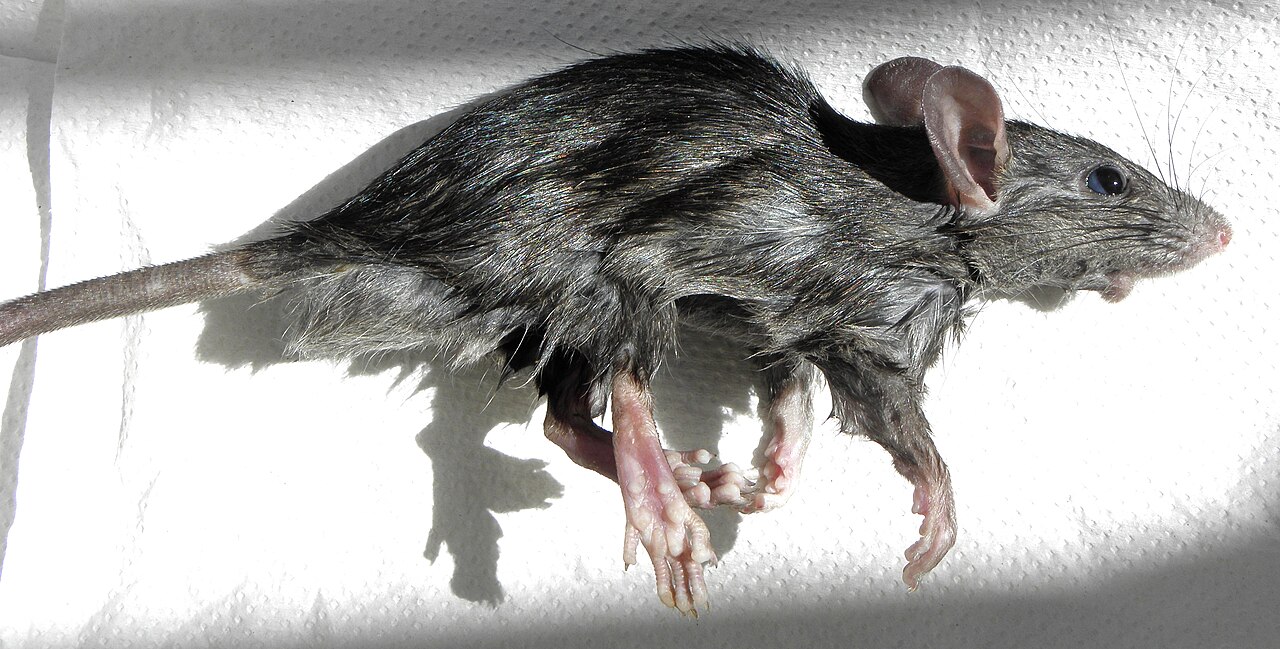 Slim climbing rat. Runs the roofline and nests in attics and palms.
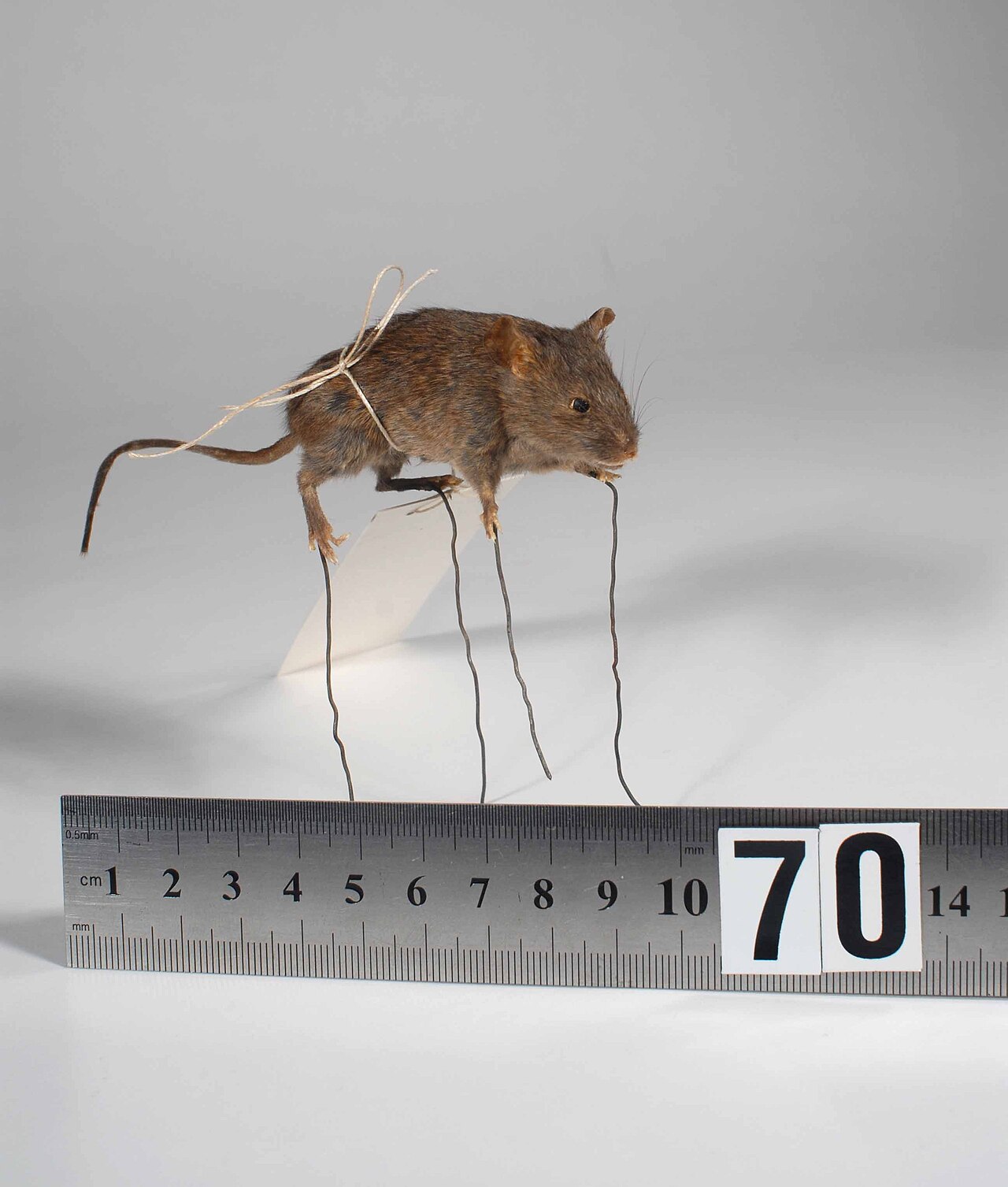 Small grey-brown mouse. Nests in garages, pantries, and wall voids.
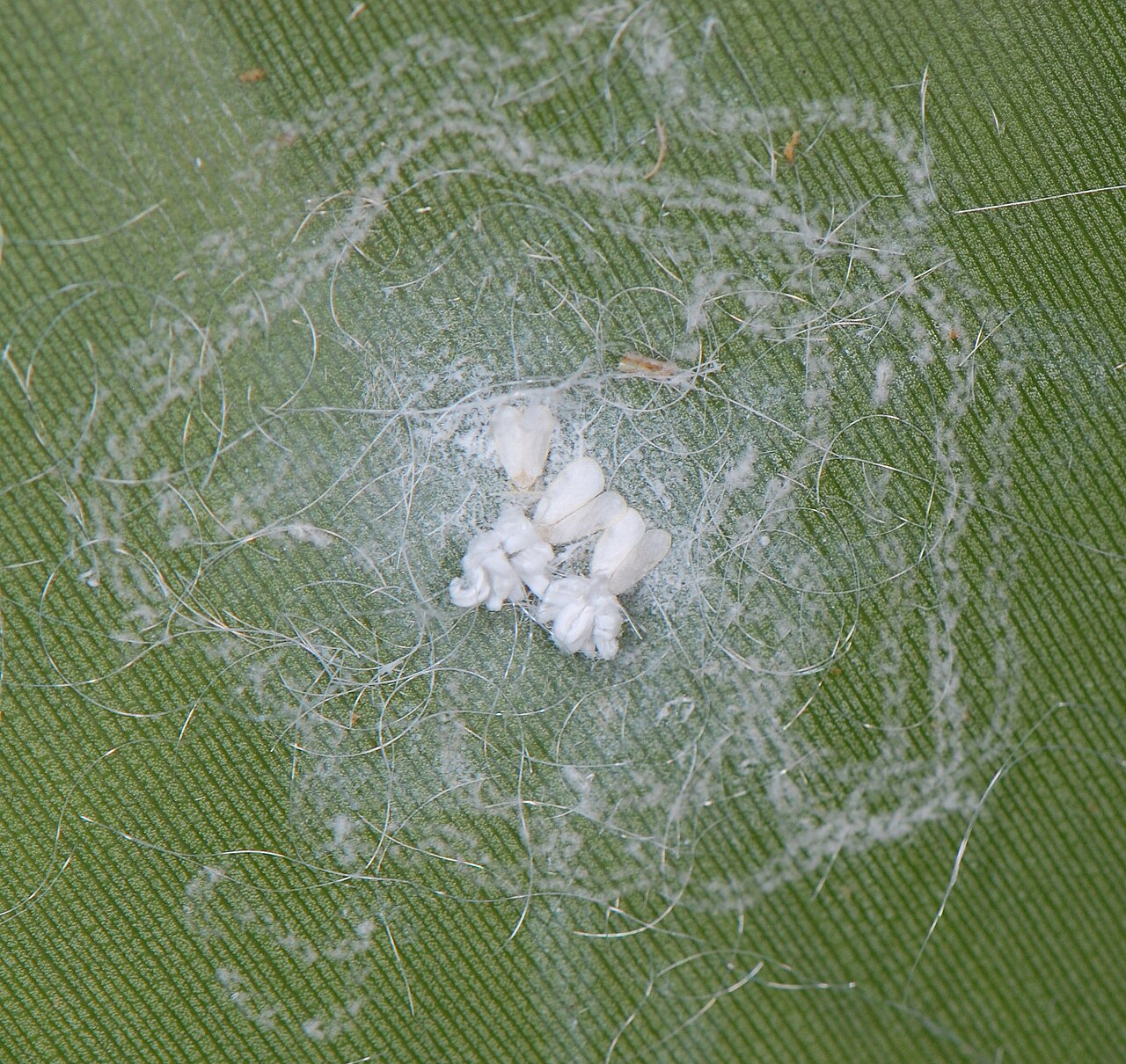 Tiny white flies under ficus leaves. Leaves sticky residue and sooty mold.
Dealing with green iguana?
Call or send a request and we'll confirm your window within one business day.